Pakistan Faces Severe Storms Post-Heatwave: Deaths, Destruction, and Rising Fears
Islamabad, Pakistan — After weeks of a record-breaking heatwave, Pakistan is now facing severe storms, heavy rainfall, and deadly thunderstorms that have left dozens dead and hundreds injured. Homes have been destroyed, power lines snapped, and cities thrown into chaos, as the country battles yet another chapter in its worsening climate crisis.
Meteorologists had warned that such extreme weather patterns were likely, with heatwaves followed by violent monsoon-like storms. Unfortunately, those warnings have now turned into a harsh reality for millions.
- Deadly storms hit Pakistan after an intense heatwave.
- Multiple casualties reported across provinces.
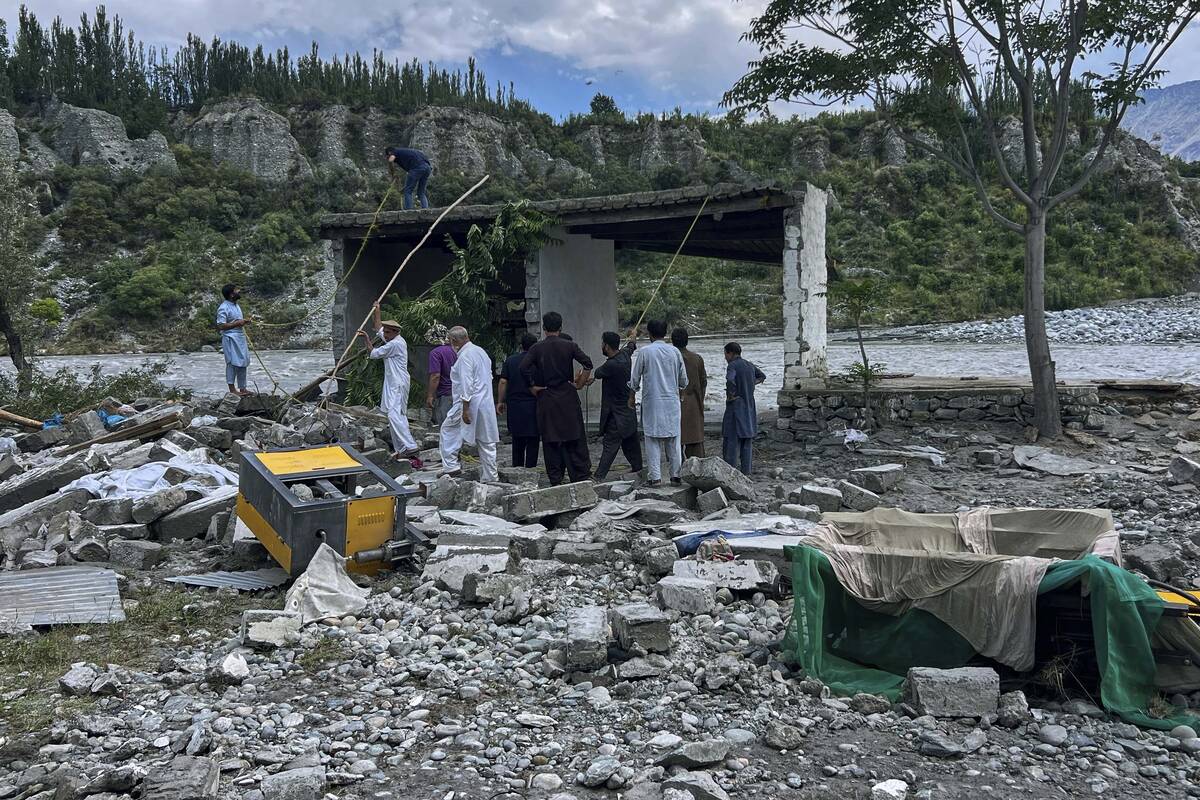
- Houses collapsed, crops destroyed, and power outages widespread.
- Experts warn of more extreme weather in coming weeks.
- Authorities urge citizens to take emergency precautions.
The Shift From Heat to Storms
In early August, Pakistan experienced temperatures soaring above 48°C (118°F) in major cities such as Karachi, Multan, and Lahore. Hospitals were overwhelmed with heatstroke patients, while many rural communities reported cattle deaths and crop failures due to the blistering sun.

But just as the nation was beginning to recover, dark clouds rolled in, bringing ferocious storms, lightning strikes, and torrential rain. Within hours, streets were flooded, trees uprooted, and fragile rooftops blown away.
One Karachi resident described the scene as “a nightmare — first we couldn’t breathe in the heat, now we can’t step outside without fearing the storms.”
Damage Across Provinces
The Punjab region was hit particularly hard, where strong winds and rain caused building collapses, leading to several fatalities. In Sindh, villages were submerged, forcing families to evacuate to temporary shelters.
Meanwhile, in Khyber Pakhtunkhwa, deadly lightning strikes killed several people working in the fields, adding to the rising death toll.
Power outages have affected millions, with utility companies struggling to restore electricity due to fallen poles and damaged grids. Internet and mobile networks in some regions remain unstable.
Expert Warnings
Climate experts and meteorologists emphasize that Pakistan is on the frontline of global climate change. Dr. Ayesha Khan, a climate scientist, explained:
“These extremes are connected. A prolonged heatwave creates atmospheric instability, which then triggers violent storms. Pakistan will face more such swings if urgent climate action is not taken.”
This aligns with global climate reports that place Pakistan among the top 10 most vulnerable countries to climate-induced disasters.

Government & Rescue Efforts
The National Disaster Management Authority (NDMA) has deployed rescue teams in affected provinces, with boats and medical units sent to flood-hit areas. Emergency shelters are being established in schools and government buildings.
However, citizens have criticized the lack of preparedness, claiming that authorities failed to provide adequate early warning systems or relief infrastructure.
Social activists on X (Twitter) are demanding long-term climate strategies instead of short-term relief measures.
FAQs
Q1: Why did storms follow the heatwave in Pakistan?
A: Prolonged heatwaves create atmospheric instability and low-pressure systems, which can trigger violent storms and rainfall.
Q2: Which areas of Pakistan are most affected by the storms?
A: Punjab, Sindh, and Khyber Pakhtunkhwa have reported the highest casualties and property damage.
Q3: How is the government responding?
A: The NDMA has deployed rescue teams, but many citizens report insufficient aid and delayed response.
Q4: Could more extreme weather hit Pakistan soon?
A: Yes. Meteorologists warn that more storms and heavy rain could continue in the coming weeks due to changing climate patterns.
What do you think — is Pakistan ready to face the growing climate emergency, or are we still ignoring the warnings until disaster strikes?
Share your thoughts in the comments below!
Follow Star Struck Times for daily climate, news, and celebrity updates.
Explore our Meteorological Insights section for more related stories.
Sources / Further Reading
- BBC News – Pakistan heatwave and storms
- Al Jazeera – Extreme weather hits Pakistan
- World Meteorological Organization – Climate risks in South Asia
- NDMA Pakistan – Official updates on disaster management