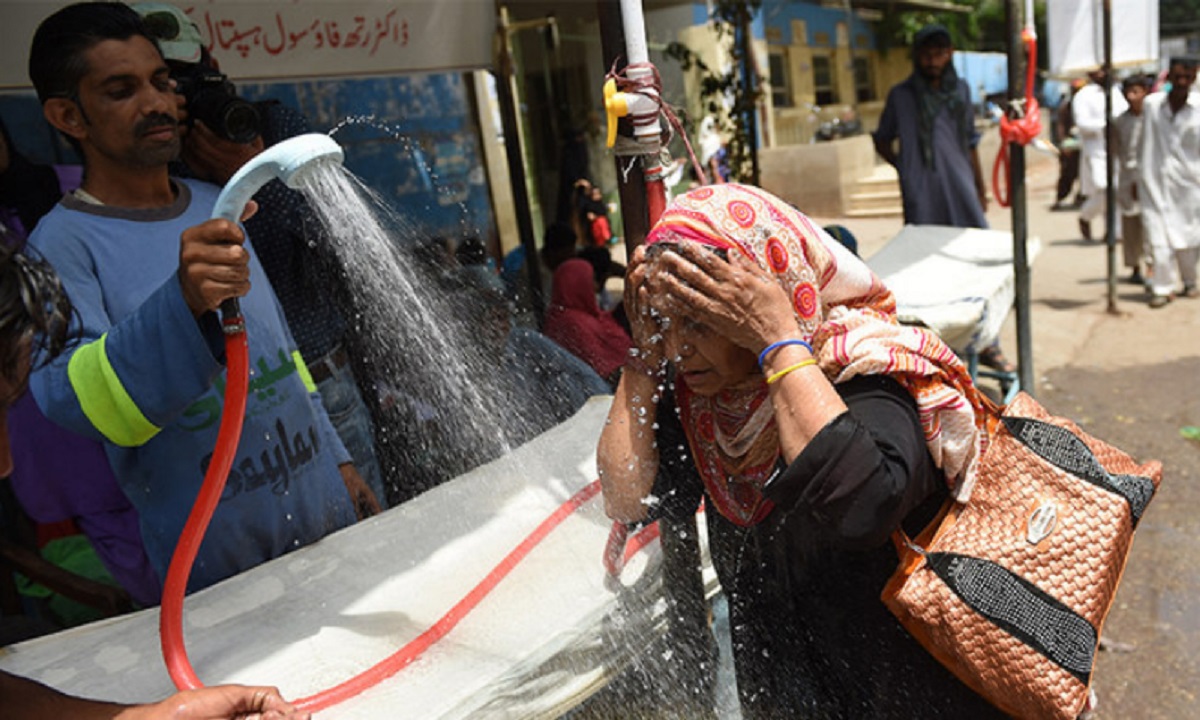
Pakistan’s latest heatwave is tightening its grip across Sindh and southern Balochistan as temperatures continue climbing to dangerous levels, while weather experts warn that several regions may experience extreme daytime conditions before isolated rain systems bring limited relief. The latest advisory from the Pakistan Meteorological Department suggests that cities including Turbat, Lasbela, Jacobabad, Dadu, and Gwadar remain among the hottest places in the country this week.
As public concern rises over power outages, water shortages, and heat-related illness, one question is dominating online searches: Will the upcoming rain spell actually reduce the heatwave intensity, or is Pakistan entering another prolonged summer crisis?
Key Highlights
Severe heatwave conditions expected in Sindh and southern Balochistan
Turbat recorded Pakistan’s highest temperature at 47°C
Thunderstorms possible in upper Khyber Pakhtunkhwa, Kashmir, and Gilgit-Baltistan
PMD warns of hot and dry weather across most regions
Rainfall recorded in Malam Jabba, Parachinar, Murree, Islamabad, and Muzaffarabad
Health experts caution citizens against prolonged outdoor exposure
Pakistan Heatwave Intensifies Across Sindh and Southern Balochistan
According to the latest forecast issued by the Pakistan Meteorological Department, most parts of Pakistan are expected to remain hot and dry on Wednesday, with severe heatwave conditions likely in Sindh and southern Balochistan.
The hottest temperature recorded was in Turbat at 47°C, followed by Lasbela at 46°C, while Sibi, Jacobabad, Dadu, and Gwadar all reached 45°C.
Meteorologists say the combination of dry continental winds, weak cloud cover, and rising pre-monsoon pressure systems is intensifying the heat across southern districts.
Weather analyst and climate observer M Muzamil Shami told Star Struck Times that the ongoing pattern reflects “a dangerous early-season heat escalation that resembles recent South Asian climate trends.”
“The alarming part is not just the temperature peak, but how consistently these regions are staying above normal seasonal averages,” he observed.
Rainfall Recorded in Northern Areas as Storm Systems Develop
While southern Pakistan battles scorching temperatures, northern regions witnessed scattered rainfall and thunderstorms over the last 24 hours.
The highest rainfall was recorded in:
Malam Jabba — 67 mm
Parachinar — 16 mm
Saidu Sharif — 15 mm
Patan — 12 mm
Murree — 7 mm
Islamabad Airport — 5 mm
Parts of Kashmir and Gilgit-Baltistan also experienced rain accompanied by gusty winds and thunder.
The PMD noted that upper Khyber Pakhtunkhwa, Kashmir, and Gilgit-Baltistan may continue seeing partially cloudy weather with isolated thunderstorms over the next 24 hours.
Meteorologists believe these northern disturbances are currently too weak to significantly impact the southern heatwave.
What Other Reports Missed About Pakistan’s Heatwave
Most weather updates have focused only on temperature numbers. However, a deeper look reveals a growing pattern that could become more serious in the coming weeks.
1. Night Temperatures Are Staying Dangerously High
One overlooked concern is the rise in nighttime temperatures. When nights remain unusually warm, the human body struggles to recover from daytime heat stress — increasing health risks, especially for children and elderly citizens.
2. Urban Heat Islands Are Worsening Karachi Conditions
Although Karachi was not among the hottest recorded cities, concrete-heavy urban zones, traffic congestion, and humidity can make the “feels-like” temperature significantly higher than official readings.
3. Early Heatwave Timing Signals Climate Shift
Experts say intense heat arriving this early in May may indicate longer and harsher summer cycles linked to broader regional climate changes.
Public Reaction Grows Online Amid Heatwave Warnings
Social media users across Pakistan reacted strongly to the latest temperatures, with many sharing concerns over electricity shortages and water availability.
One Karachi resident posted on X:
“The heat outside feels unbearable even before noon. Power cuts are making it worse.”
Another user from Hyderabad wrote:
“Every year the summers feel hotter than before. This no longer feels normal.”
Search interest for terms like:
“Pakistan heatwave today”
“Sindh weather update”
“Will rain reduce heat in Pakistan”
“Turbat temperature today” has surged across Google Trends throughout the day.
Why This Weather Pattern Matters Beyond One Week
Extreme weather events are increasingly becoming both an environmental and economic issue for Pakistan.
Agriculture experts warn that prolonged dry spells combined with extreme temperatures can affect:
Crop production
Water reservoirs
Livestock conditions
Urban electricity demand
Health authorities also continue advising citizens to:
Avoid direct sunlight during peak afternoon hours
Stay hydrated
Wear light clothing
Check on elderly family members
The World Health Organization has repeatedly warned that heatwaves remain among the deadliest weather-related hazards globally.
What Happens Next?
Forecast models suggest southern Pakistan may continue experiencing intense heat over the coming days, though isolated northern thunderstorms could gradually shift weather patterns later this week.
However, meteorologists caution that meaningful temperature relief for Sindh and Balochistan is still uncertain.
For now, millions across Pakistan remain braced for another stretch of extreme summer conditions.
FAQs
Why is Pakistan experiencing such extreme heat?
Pakistan is currently under the influence of dry continental weather systems combined with seasonal pre-monsoon heating patterns.
Which city recorded the highest temperature today?
Turbat recorded the highest temperature at 47°C.
Will rain reduce the heatwave in Sindh?
Current rainfall activity is mostly limited to northern regions and may not immediately impact Sindh temperatures.
Which areas received rainfall in Pakistan?
Rainfall was reported in Malam Jabba, Parachinar, Murree, Islamabad, Muzaffarabad, and parts of Gilgit-Baltistan.
How can people stay safe during the heatwave?
Experts recommend staying hydrated, avoiding direct sunlight, and limiting outdoor activities during peak heat hours.
Hello! I'm M Muzamil Shami, the founder and lead editor of Star Struck Times, your trusted source for trending news, entertainment scoops, celebrity gossip, sports highlights, and global headlines.
With a passion for storytelling and journalism, I created this platform to bring you breaking news, viral moments, and deep insights into the worlds of Bollywood, Hollywood, sports, politics, tech, and more — all in one place.