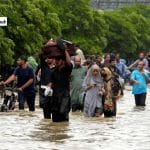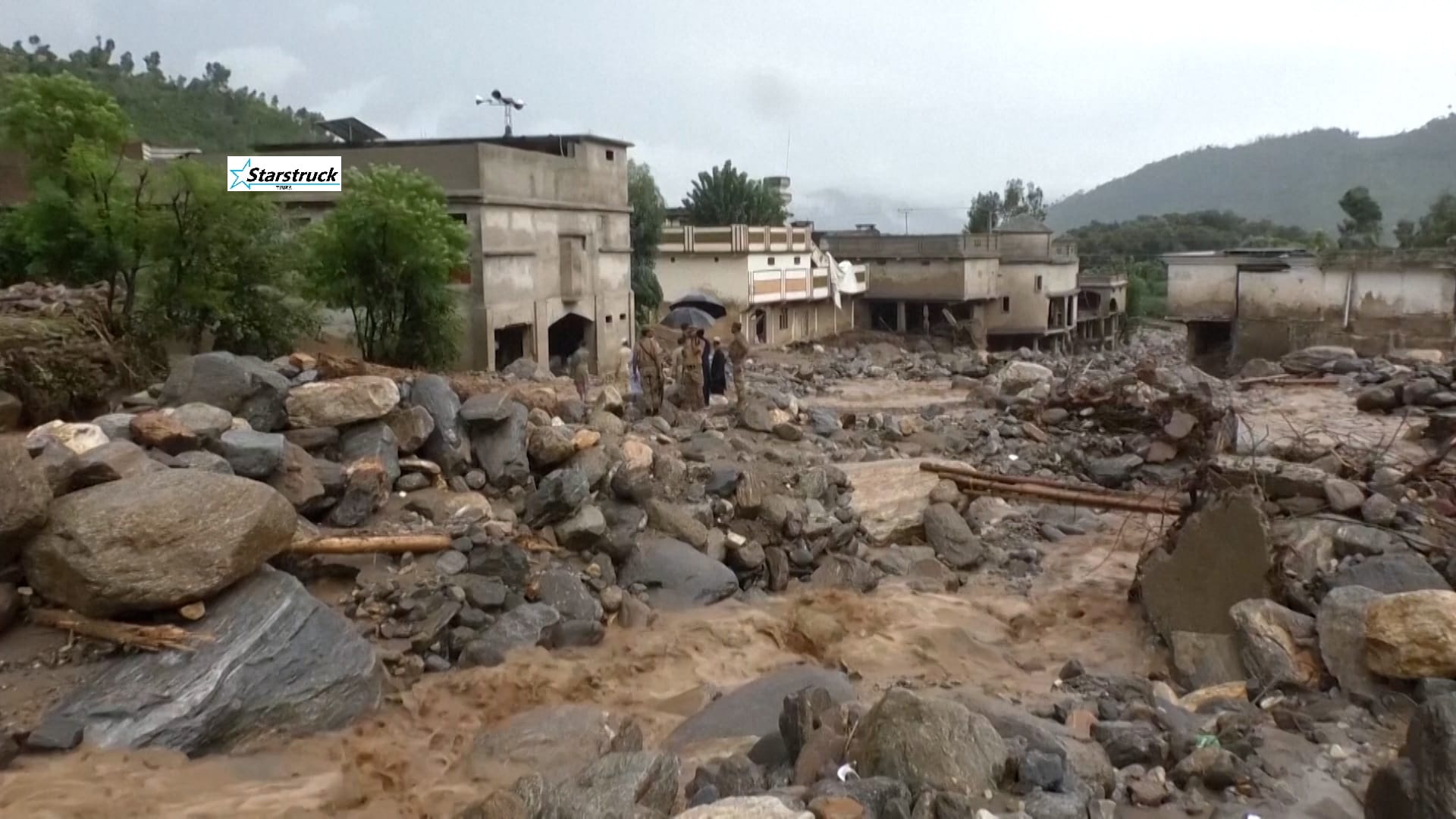
- A sudden cloudburst in Pakistan triggered devastating flash floods.
- Thousands of families have been displaced, with widespread destruction of homes and crops.
- Emergency rescue teams are struggling to reach stranded communities.
- Experts warn of increasing extreme weather events due to climate change.
- Survivors share emotional stories of fear, trauma, and loss.
The Storm That Changed Everything
In the early hours of a calm morning, life in several regions of Pakistan changed forever. A sudden cloudburst unleashed powerful flash floods, swallowing homes, fields, and roads in minutes. Families were left clinging to rooftops, children crying for help, and entire communities devastated in what is now being described as one of the most terrifying natural disasters in recent memory.
Pakistan, already vulnerable to climate-induced catastrophes, now faces yet another heartbreaking disaster. These flash floods after a cloudburst not only destroyed infrastructure but also tore apart the emotional fabric of communities, leaving survivors haunted by the memory of raging waters.
The Scale of Destruction
According to initial government reports, dozens of villages have been submerged. Entire neighborhoods disappeared under walls of water rushing down from the mountains. The floodwaters swept away livestock, destroyed standing crops, and washed away critical road networks, leaving many areas inaccessible.

Survivors recount hearing a thunderous roar moments before torrents of water surged into their homes. Many describe scenes of panic—families running barefoot in the dark, carrying children, while others were forced to abandon everything to save their lives.
Authorities have confirmed that hundreds of houses have collapsed, while thousands of residents remain trapped in water-logged areas. Relief camps have been set up, but the demand far outweighs the resources available.
Human Stories: Pain, Fear, and Resilience
Stories from survivors shed light on the human cost of this tragedy. One father described carrying his three children on his shoulders through chest-deep waters, while another woman wept as she recalled watching her home crumble in front of her eyes. Many have lost everything—clothes, savings, crops, and in some cases, loved ones.
“It felt like the sky exploded, and then the ground disappeared beneath us,” said one survivor, her voice trembling with fear.
Children remain the most vulnerable, with widespread cases of trauma reported. Relief workers note that psychological scars will take longer to heal than the physical ones.
Why Cloudbursts Are Becoming More Frequent
Meteorologists warn that climate change is intensifying extreme weather events in Pakistan. Rising temperatures increase the likelihood of sudden cloudbursts, which release massive amounts of rain in a short period of time. These downpours often overwhelm rivers and drainage systems, triggering deadly flash floods.
Experts say Pakistan must now prioritize climate resilience, including stronger early warning systems, improved urban planning, and sustainable flood management infrastructure.

Government and Rescue Efforts
Rescue teams from the military, civil defense, and NGOs are working tirelessly, using helicopters, boats, and heavy machinery to reach isolated regions. However, access remains a significant challenge, as landslides and collapsed roads block major routes.
Emergency relief packages—containing food, clean water, medicines, and tents—are being distributed. Still, local communities report delays and shortages, pleading for immediate international assistance.
The government has also issued a warning for nearby regions to prepare for further flooding, as meteorologists predict more rainfall in the coming days.
The Road Ahead: Rebuilding Lives
Rehabilitation will take months, if not years. The destruction of agricultural lands means food insecurity could rise in already vulnerable areas. Children’s education has been disrupted as schools remain submerged or converted into relief shelters.
But amid the devastation, stories of bravery and solidarity are emerging. Volunteers, neighbors, and strangers are coming together to provide support—sharing food, offering shelter, and comforting the grieving.
Pakistan’s resilience has been tested before, but this tragedy underscores an urgent truth: the fight against climate change and disaster preparedness is now a fight for survival.
FAQs
Q1: What caused the flash floods in Pakistan?
A sudden cloudburst—an intense and localized rainfall event—triggered the devastating floods.
Q2: Which areas were most affected?
Several villages and towns across northern Pakistan have been severely hit, with reports of widespread damage to homes, roads, and farmland.
Q3: How many people have been displaced?
Thousands of families have been forced to leave their homes and seek refuge in relief camps.
Q4: Is climate change linked to these floods?
Yes. Experts confirm that rising global temperatures and unpredictable weather patterns are increasing the frequency of extreme events like cloudbursts.
How can Pakistan strengthen its fight against climate change disasters? Share your thoughts below and stand with the victims of this tragedy.
Stay updated with Star Struck Times for the latest news, insights, and human stories.
Sources / References
- BBC News – Pakistan Floods
- Al Jazeera – Pakistan Flash Floods
- The Guardian – Climate Change & Extreme Weather in Pakistan
- ReliefWeb – Pakistan Flood Emergency Updates