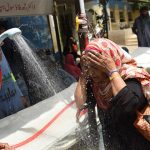
According to the latest update in our Meteorological Insights coverage, Pakistan is currently experiencing an intense spell of hot and dry weather conditions affecting most regions, with the southern and central areas bearing the brunt of extreme temperatures. The Pakistan Meteorological Department (PMD) has reported significantly above-normal heat levels over the past 24 hours, signaling a continuing heatwave pattern across the country. While most regions remained dry, Kotli recorded light rainfall of 1 mm, offering brief relief in an otherwise scorching weather system. This emerging pattern is raising concerns about public health, water supply, and energy demand across the country.
Key Highlights of Pakistan Heatwave May 2026
Severe heatwave grips central and southern Pakistan
Dadu records extreme 45°C temperature
Multiple cities including Turbat and Mithi reach 44°C
Mostly hot and dry conditions persist nationwide
Kotli records only 1 mm light rain
PMD warns of continued above-normal temperatures
What Happened: Nationwide Heat Intensifies
The Pakistan Meteorological Department confirmed that most regions of the country remained under hot and dry conditions during the last 24 hours, with southern Sindh and parts of Balochistan facing the most severe impact.
The highest recorded temperature reached 45°C in Dadu, while Turbat, Sukkur, Shaheed Benazirabad, and Mithi all reported highs of 44°C. These figures place the ongoing weather system among the more intense early-summer heat patterns observed in recent years.
Meteorologists explain that this pattern is influenced by persistent high-pressure systems over the region, limiting cloud formation and increasing direct solar heating.
Why This Heatwave Matters
This ongoing Pakistan heatwave May 2026 event is not just a seasonal fluctuation—it reflects a broader climate trend affecting South Asia.
Experts from climate monitoring groups such as the World Meteorological Organization (WMO) and regional climate researchers have repeatedly warned that South Asia is experiencing faster-than-average warming compared to global trends. While short-term forecasts from PMD indicate continued hot conditions, long-term data suggests increasing frequency of extreme heat events.
Health specialists warn that sustained exposure to temperatures above 40°C can significantly increase risks of heatstroke, dehydration, and cardiovascular stress, especially for outdoor workers.
Public Response and Ground Reality
Local residents in southern Sindh and Balochistan have reported rising discomfort due to power shortages and water scarcity.
A resident from Sukkur noted:
“The heat is unbearable during daytime, and even nights are not cooling down properly.”
Another citizen from Mithi commented:
“We are used to heat, but this year feels stronger than before.”
Such responses align with earlier reports by Reuters, which highlighted increasing heat intensity across South Asia in recent seasonal outlooks.
What Other Reports Missed
While most coverage focuses on temperature numbers, what is often overlooked is the combined stress effect of heat, humidity, and infrastructure pressure.
In regions like Sindh:
Electricity demand spikes due to cooling usage
Water supply systems face higher evaporation losses
Additionally, intermittent rainfall like the 1 mm recorded in Kotli may create misleading impressions of relief, but meteorologists clarify that such minor precipitation does not significantly reduce heatwave intensity.
This layered impact shows that the Pakistan heatwave May 2026 is not just a weather event—it is a multi-sector challenge affecting daily life, economy, and health systems.
Historical Context and Climate Comparison
Compared to previous years, current temperature readings suggest a gradual upward shift in seasonal heat intensity.
For example:
Similar regions recorded 42–43°C peaks in earlier years
In 2026, multiple cities are already exceeding 44–45°C early in the season
Climate analysts referenced by organizations like BBC Weather indicate that South Asia’s heatwaves are becoming longer in duration and earlier in onset, a pattern consistent with global climate change projections.
What Happens Next
Meteorologists expect the heatwave conditions to continue across central and southern Pakistan, with only minor fluctuations in temperature. Authorities may issue further heat advisories if temperatures rise beyond current projections. Residents are advised to stay hydrated and avoid direct sunlight during peak hours.
Frequently Asked Questions
1. How hot is Pakistan during May 2026 heatwave? Temperatures are reaching up to 45°C in some southern regions like Dadu.
2. Which cities are most affected? Dadu, Turbat, Sukkur, Mithi, and Shaheed Benazirabad are among the hottest areas.
3. Is there any rainfall relief expected? Only isolated light rainfall has been recorded in limited areas like Kotli.
4. What is causing this heatwave? A persistent high-pressure weather system combined with seasonal dry conditions.
5. Will the heatwave continue? According to PMD forecasts, above-normal temperatures are expected to persist.
Hello! I'm M Muzamil Shami, the founder and lead editor of Star Struck Times, your trusted source for trending news, entertainment scoops, celebrity gossip, sports highlights, and global headlines.
With a passion for storytelling and journalism, I created this platform to bring you breaking news, viral moments, and deep insights into the worlds of Bollywood, Hollywood, sports, politics, tech, and more — all in one place.