Karachi, Pakistan — May 10, 2026, 3:10 PM — Star Struck Times
Pakistan is bracing for another day of extreme temperatures as the Pakistan Meteorological Department (PMD) warned that most parts of the country will remain hot and dry on Sunday, while southern regions are expected to face severe heatwave conditions. However, weather experts say parts of upper Pakistan could see thunderstorms and rain later tonight — raising fresh questions about whether temporary relief is finally on the way.
For readers tracking national weather developments, related updates can also be linked internally under the “Weather News” category on Star Struck Times.

Key Highlights
- Most areas of Pakistan expected to remain hot and dry
- Southern Punjab, upper Sindh, and parts of بلوچستان likely to experience severe heat
- Thunderstorms and rain possible in upper Punjab and Khyber Pakhtunkhwa tonight
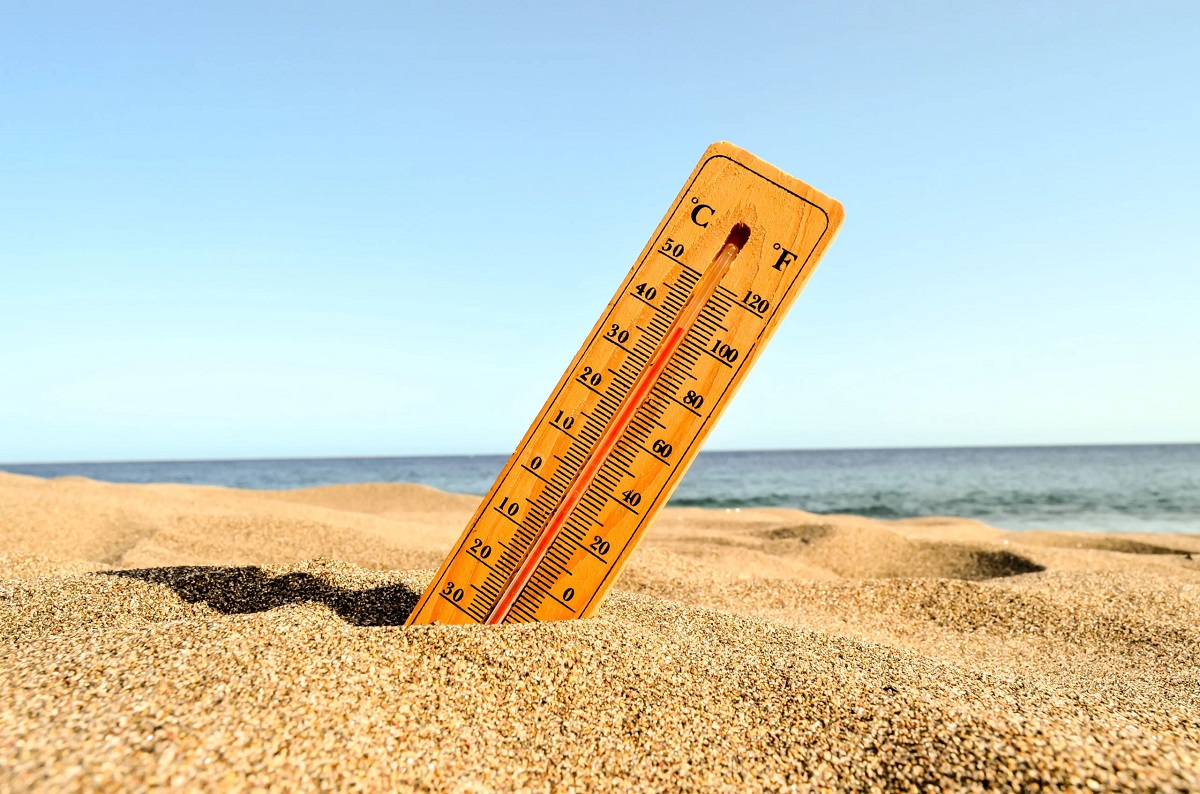
- Dadu and Sakrand recorded 46°C among the country’s hottest temperatures
- PMD warns of strong winds and isolated hailstorm activity in northern regions
- Heatwave conditions continue to impact daily life and electricity demand
Heatwave Tightens Grip Across Pakistan
The Pakistan Meteorological Department reported that Sunday’s weather pattern will remain dominated by dry continental air across most regions, causing temperatures to rise significantly during daytime hours.
According to official forecasts, southern Punjab, upper Sindh, eastern and southern بلوچستان are expected to experience “very hot” conditions, with daytime temperatures staying well above seasonal averages.
Among the hottest locations recorded during the last 24 hours were:
- Sakrand — 46°C
- Dadu — 46°C
- Nokkundi — 45°C
- Jacobabad — 45°C
- Mohenjo-daro — 45°C
- Shaheed Benazirabad — 45°C
- Larkana — 45°C
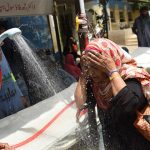
The intense heat comes as many cities continue to struggle with rising electricity demand, water shortages, and health concerns linked to prolonged exposure to extreme temperatures.
Meteorologists say this weather system resembles previous pre-monsoon heatwave patterns seen in May over Sindh and southern Pakistan.
Thunderstorms Expected in Northern Areas Tonight
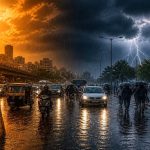
While southern Pakistan continues to bake under scorching temperatures, northern and upper regions could witness changing weather conditions by evening and nighttime.
The PMD stated that upper Punjab, upper Khyber Pakhtunkhwa, Gilgit-Baltistan, Kashmir, and nearby hilly areas may experience:

- Partly cloudy skies
- Gusty winds
- Thunderstorms
- Isolated rain showers
Weather analysts note that these storm systems are being fueled by moisture intrusion combined with daytime heating over mountainous terrain.
A senior meteorologist quoted by local media explained that pre-monsoon instability often begins appearing during May, particularly in northern Pakistan, though widespread relief is still unlikely in the short term.
Why This Heatwave Matters More Than Previous Years
What many reports are missing is the growing connection between Pakistan’s recurring heatwaves and urban infrastructure stress.
Cities like Karachi, Hyderabad, and parts of interior Sindh are increasingly facing “urban heat island” effects — where concrete-heavy environments trap heat for longer periods. Experts warn this not only increases nighttime temperatures but also raises health risks for vulnerable populations.
The current spell also arrives earlier than peak summer months, increasing concerns over:
- Water scarcity
- Crop stress
- Power outages
- Increased heatstroke cases
According to global climate monitoring agencies, South Asia remains one of the regions most vulnerable to climate-driven extreme weather patterns.
A report by the World Meteorological Organization (WMO) previously warned that heatwaves in South Asia are becoming more frequent and intense due to climate change.
Public Reaction and Social Media Concerns
As temperatures surged across Sindh, social media users shared concerns about unbearable daytime conditions, electricity load-shedding, and the impact on outdoor workers.
One user on X wrote:
“46°C in May already feels dangerous. Summer hasn’t even peaked yet.”
Another resident from interior Sindh posted:
“The roads feel like fire after noon. People are avoiding going outside completely.”
The extreme weather has also renewed discussions around climate adaptation, tree plantation drives, and urban cooling strategies in Pakistan’s rapidly expanding cities.
Hidden Context: Why Northern Rain May Not End the Heat
Although thunderstorms are forecast in upper regions tonight, meteorologists caution that isolated rain does not necessarily signal the end of the ongoing heatwave.
In many cases, pre-monsoon storms temporarily reduce temperatures for only a few hours before humidity levels increase again. Southern Pakistan, particularly Sindh and parts of بلوچستان, may continue experiencing extreme heat for several more days.
This distinction is important because many people mistakenly associate isolated northern rain with nationwide cooling trends.
What Happens Next
Weather experts are closely monitoring evolving atmospheric conditions over northern Pakistan during the coming week. Additional thunderstorms may develop in upper regions if moisture levels continue increasing.
However, no major nationwide cooling system has yet been confirmed. Authorities are advising residents to:
- Avoid direct sunlight during peak afternoon hours
- Stay hydrated
- Limit unnecessary outdoor activities
- Monitor official PMD weather updates
Health officials also recommend extra precautions for children, elderly citizens, and outdoor laborers as temperatures remain dangerously high in several districts.
FAQs
What is the weather forecast for Pakistan today?
Most areas are expected to remain hot and dry, while northern regions may receive thunderstorms and rain tonight.
Which cities recorded the highest temperatures in Pakistan?
Sakrand and Dadu recorded the highest temperatures at 46°C.
Will rain reduce the heatwave in Pakistan?
Rain may bring temporary relief in northern areas, but southern Pakistan is likely to remain very hot.
Which areas may receive thunderstorms tonight?
Upper Punjab, upper Khyber Pakhtunkhwa, Gilgit-Baltistan, Kashmir, and nearby hilly regions.
Why are heatwaves becoming more frequent in Pakistan?
Experts link increasing heatwaves to climate change, urbanization, and shifting regional weather patterns.
Sources
- Pakistan Meteorological Department
- World Meteorological Organization
- Reuters Climate News
- BBC Weather News