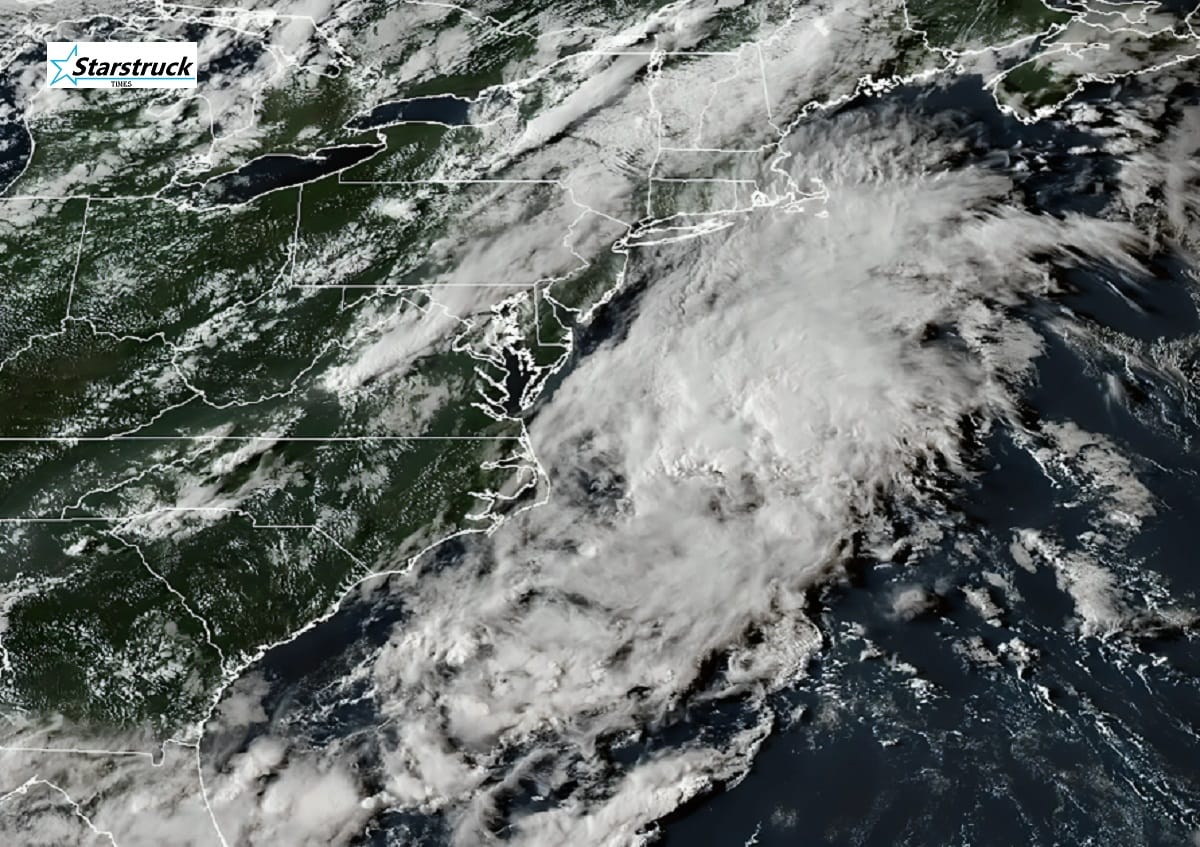
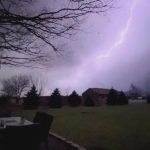
Meteorologists track the development of Tropical Storm Fernand in the Atlantic.
Tropical Storm Fernand has officially formed in the Atlantic Ocean.
It comes shortly after the dissipation of Hurricane Erin.
Meteorologists are tracking Fernand’s projected path toward vulnerable coastal regions.
Authorities urge residents to stay prepared for possible flooding, strong winds, and storm surges.
The storm’s intensity could fluctuate depending on sea surface temperatures and wind shear.
Breaking News: Tropical Storm Fernand Forms After Hurricane Erin’s Dissipation
The Atlantic hurricane season 2025 is showing no signs of slowing down. Just days after Hurricane Erin weakened and dissipated, the National Hurricane Center (NHC) confirmed the formation of Tropical Storm Fernand. This sudden development has triggered widespread concern among meteorologists, coastal authorities, and residents who remain on high alert.
Fernand’s arrival highlights the unpredictable and dangerous nature of this year’s hurricane season, which experts have already described as one of the most volatile in recent history. The storm is expected to strengthen as it moves across warm Atlantic waters, with forecasts suggesting possible intensification into a stronger system if environmental conditions remain favorable.
Where Is Tropical Storm Fernand Heading?
Currently, Tropical Storm Fernand is moving west-northwest across the Atlantic, with sustained winds of nearly 45 mph (72 km/h). Meteorologists caution that Fernand’s path remains uncertain, but several models predict potential land interaction with the Caribbean and U.S. coastal regions within the coming days.
Factors influencing its trajectory include:
Sea Surface Temperatures (SSTs): Warmer waters could fuel Fernand’s growth.
Wind Shear: High wind shear might weaken its structure.
Pressure Systems: Shifts in pressure may push Fernand closer to the U.S. coastline.
Communities in Florida, the Gulf Coast, and parts of the Caribbean are urged to monitor weather advisories closely. Even if Fernand does not make direct landfall, its outer rain bands could bring heavy rainfall, flash flooding, and hazardous rip currents.
Expert Warnings and Emergency Preparedness
The National Hurricane Center has issued an advisory, emphasizing the need for preparedness. According to experts, even a tropical storm can produce life-threatening conditions:
Flooding risks in low-lying coastal areas.
Dangerous winds capable of knocking down power lines.
Storm surges that may overwhelm seawalls.
Disrupted travel and shipping routes across the Atlantic.
Authorities recommend:
Stocking up on emergency supplies including food, water, batteries, and medical kits.
Reviewing evacuation routes in case of mandatory relocations.
Staying updated via official alerts and weather bulletins.
How Does Fernand Compare to Hurricane Erin?
While Hurricane Erin brought intense rainfall and strong winds before dissipating, Tropical Storm Fernand appears less powerful at the moment. However, history has shown that tropical storms can escalate rapidly into hurricanes when atmospheric and oceanic conditions align.
Meteorologist Dr. Alicia Turner explains:
“The concern isn’t just Fernand’s current strength, but its potential to intensify quickly. Warm Atlantic waters serve as fuel, and if wind shear remains low, Fernand could upgrade to a Category 1 hurricane within 48–72 hours.”
This statement reinforces why constant monitoring is vital during hurricane season.
FAQs
Q1: Is Tropical Storm Fernand expected to make landfall? At this stage, forecasts remain uncertain. Models suggest possible interaction with the Caribbean or U.S. coast, but it is too early to confirm.
Q2: Could Fernand become a hurricane? Yes. Given the warm waters of the Atlantic, Fernand has the potential to intensify into a hurricane if conditions remain favorable.
Q3: How does Fernand affect travel and shipping? Airlines and shipping companies are monitoring its path. Travelers should expect possible delays, cancellations, and safety restrictions in affected regions.
Q4: How should coastal residents prepare? Authorities urge residents to review evacuation plans, secure property, and stay tuned to official advisories.
Are you prepared for Tropical Storm Fernand? Share your thoughts and safety tips below! Don’t forget to follow Star Struck Times for real-time updates, expert forecasts, and breaking weather news that could affect you.
Hello! I'm M Muzamil Shami, the founder and lead editor of Star Struck Times, your trusted source for trending news, entertainment scoops, celebrity gossip, sports highlights, and global headlines.
With a passion for storytelling and journalism, I created this platform to bring you breaking news, viral moments, and deep insights into the worlds of Bollywood, Hollywood, sports, politics, tech, and more — all in one place.