Karachi, Pakistan — May 8, 2026 — Star Struck Times
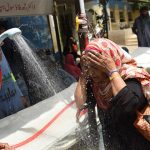
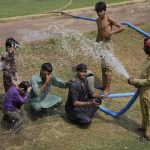
Pakistan is bracing for an intensifying heatwave as the Pakistan Meteorological Department has forecast persistently hot and dry conditions across most regions over the next 48 hours. According to the latest update, southern Punjab, upper Sindh, and eastern and southern Balochistan are expected to experience severe heat intensity, with temperatures already crossing dangerous thresholds. As highlighted in the national advisory shared by the Pakistan Meteorological Department and regional climate monitors, this pattern aligns with a broader South Asian pre-monsoon heat trend. For continued updates, readers can follow our weather coverage under the Weather News section of Star Struck Times.
The situation is especially concerning after the last 24 hours recorded extreme highs, including 47°C in Dadu and 46°C in Turbat, Moenjodaro, and Larkana. Even as isolated relief appeared in parts of Azad Kashmir such as Rawalakot with 2mm rainfall, the overall outlook remains harsh and potentially hazardous for vulnerable populations.

Key Highlights of Pakistan Heatwave Alert 2026
- Extreme heat conditions forecast across southern Punjab, Sindh, and Balochistan
- Temperatures reaching up to 47°C in multiple districts
- Hot and dry weather expected to persist through Saturday
- Minimal rainfall activity, except isolated light showers in northern regions
- Health advisory issued for vulnerable groups including children and elderly
- Climate experts link pattern to strengthening pre-monsoon heatwave trends
What Happened: Rising Temperatures Across Pakistan
The latest Pakistan Heatwave Alert 2026 indicates a sharp rise in temperatures across major regions. The Pakistan Meteorological Department confirmed that most of the country will remain under hot and dry conditions, with southern regions experiencing the most severe impact.
Over the past 24 hours, extreme heat has been recorded in multiple cities:
- Dadu: 47°C
- Turbat: 46°C
- Moenjodaro: 46°C
- Larkana: 46°C
These figures reflect a consistent upward trend in daytime temperatures, consistent with regional climate assessments reported by international weather trackers such as BBC Weather and climate summaries from Reuters Weather and Climate Reports.
Meteorologists warn that this is part of a broader heatwave cycle affecting South Asia ahead of the monsoon season.
Regional Impact: Sindh, Punjab, and Balochistan Under Pressure
The most severe conditions are being observed in southern Pakistan.
In Sindh, cities such as Dadu, Larkana, and surrounding districts are experiencing prolonged heat exposure, increasing the risk of dehydration and heatstroke.
In Punjab, especially southern districts, dry winds combined with rising temperatures are intensifying discomfort levels for outdoor workers.

Meanwhile, Balochistan continues to record some of the highest temperatures in the country, with Turbat once again among the hottest locations globally during peak summer conditions.
According to data from Pakistan Meteorological Department Official Forecast, these patterns are expected to continue at least through the weekend, with only limited chances of cloud development in northern regions.
Expert Insight & Climate Context
Climate analysts suggest that Pakistan’s recurring heat extremes are becoming more frequent due to shifting regional climate systems.
A climate researcher cited in global environmental summaries from Reuters noted that South Asia is experiencing “longer and more intense pre-monsoon heat periods compared to previous decades.”
This aligns with long-term observations by meteorological agencies, where rising baseline temperatures are contributing to more frequent heatwaves.
A senior meteorological analyst explained that “urban heat retention and reduced vegetation cover are amplifying temperature spikes, particularly in Sindh and southern Punjab.”
What Other Reports Missed: Hidden Climate Pressure Zones
While most reports focus on peak temperatures, a less discussed factor is the heat retention effect in semi-urban belts of southern Punjab and interior Sindh.
These areas often:
- Lack adequate tree cover
- Experience slow night-time cooling
- Have increasing agricultural heat stress
Another overlooked element is humidity fluctuation. Although the current wave is primarily dry heat, minor increases in humidity in coastal Sindh may worsen “feels-like” temperatures significantly.
This combination of dry inland heat and coastal humidity is creating a mixed stress zone that standard temperature readings alone do not fully capture.
Public Advisory: Safety Measures During Heatwave
Authorities and health experts recommend immediate precautionary steps:
- Avoid outdoor exposure during peak afternoon hours
- Increase water intake throughout the day
- Wear light-colored, breathable clothing
- Protect children and elderly from direct sunlight
- Limit unnecessary travel in affected regions
Hospitals in high-risk districts are advised to remain alert for heatstroke cases, especially during midday hours.
What Happens Next
Forecast models suggest that the current heatwave will persist through Saturday, with only slight moderation expected in northern regions afterward. However, southern Pakistan is likely to remain under severe heat stress until early next week, depending on atmospheric pressure changes.
Meteorologists will continue monitoring potential shifts that could signal early pre-monsoon activity, but for now, conditions remain firmly in the extreme heat category.
FAQs: Pakistan Heatwave Alert 2026
1. Which areas are most affected by the heatwave in Pakistan?
Southern Punjab, Sindh, and Balochistan are experiencing the highest temperatures.
2. What is the highest temperature recorded recently?
Dadu recorded 47°C, the highest in the current heatwave spell.
3. Is there any chance of rain relief?
Only isolated light rain was recorded in Rawalakot; no widespread rainfall is expected.
4. How long will the heatwave last?
The heatwave is expected to continue through Saturday with gradual changes afterward.
5. What precautions should people take?
Hydration, avoiding midday sun, and limiting outdoor activity are strongly advised.