Emotional Toll in Sindh: Why 100,000 Families Fled Overnight
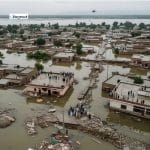
Sindh reels as monsoon floods force 100,000 people to flee, sparking fears of a humanitarian disaster in Pakistan’s southern heartland. With deaths soaring past 900 and nearly 1.8 million displaced, this is a crisis no one saw coming. The emotional toll is mounting—families scrambling, livelihoods sinking, questions mounting.
Key Points
- 100,000+ residents evacuated in Sindh amid rising Indus floods.
- Nearly 1.8 million displaced, over 900 fatalities reported across Pakistan.
- Monsoon rains + upstream dam overflows (India) triggered severity.
- Relief camps besieged, with shortages in water, food, medicine, sanitation.
- Authorities scrambled to respond, amid criticism over slow mobilization.
- Infrastructure failure widespread—roads, bridges, communications.
- Calls intensify for better flood forecasting and long-term resilience planning.
Background: A Monsoon Unleashed
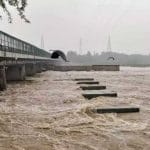
Karachi (Star Struck Times) — Since late June, relentless monsoon rains have battered Pakistan. In Sindh province, rising Indus river levels triggered widespread alarm. Meanwhile, dam overflows in upstream India intensified the crisis—releasing torrents that overwhelmed embankments. In a few short months, the region has been submerged under an unrelenting deluge.

Conflict: The Evacuation Order
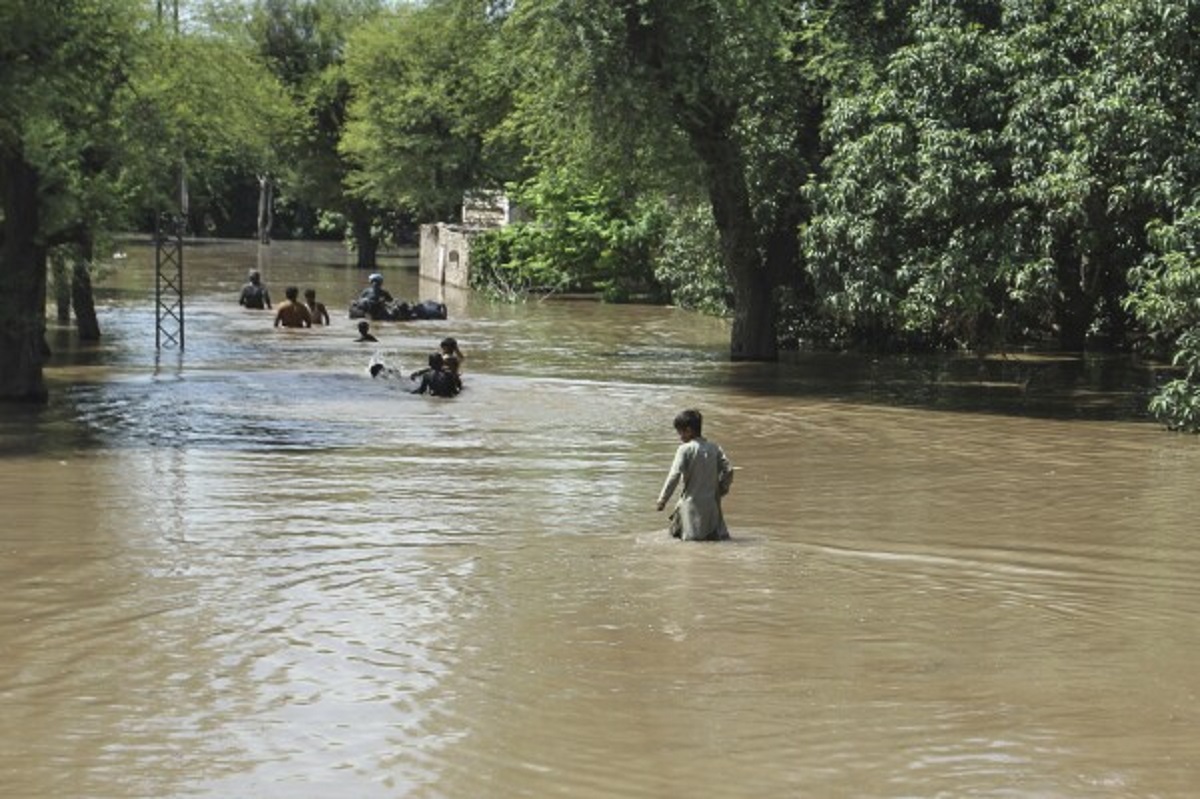
Authorities began emergency evacuations along vulnerable riverbanks. “We told people: grab what you can, leave now,” said a local official. The message was stark. In a matter of days, more than 100,000 residents were uprooted, their communities drowned or at risk. Families packed essentials and fled to hastily prepared relief camps.
Escalation: Displacement Swells, Infrastructure Crumbles
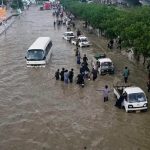
Inside the camps, scenes turned chaotic. “We have nowhere else to go,” lamented a mother cradling her infant. Displaced families faced shortages of food, clean water, and medicine. Roads buckled under floodwaters; bridges washed out by the surging Indus. Communications faltered. Volunteer responders struggled to keep up with the mounting crisis.
Reaction: Authorities and Aid Step In
The provincial government mobilized disaster teams and partnered with NGOs. “Our immediate goal is safety—then recovery,” said Sindh’s disaster control head. Relief supplies trickled in: tents, blankets, water purification units. Public and private hospitals prepared to treat injuries and waterborne diseases. But times were tight—and fear was widespread.
Defence: Balanced Perspectives Amid Criticism
Critics accuse authorities of being slow to respond. “They underestimated the threat. Mobilization came too late,” said an independent analyst. Yet officials maintain the scale of flooding overwhelmed projections. “We acted on the best data we had,” defended the disaster commissioner. Even political opposition has called for transparency—demanding clearer flood forecasting and better infrastructure investment.
Conclusion: Towards Resilience—or More Tragedy?
As waters inch downward, the magnitude of damage becomes clearer. Homes destroyed. Crops lost. Many livelihoods ruined. But amid despair, glimmers of hope emerge: volunteers distributing meals, neighbors helping each other, communities envisaging rebuilding. The question now: will this catastrophe spur real change—or remain another tragic chapter in Sindh’s history?
FAQs
Q1: Why were so many people evacuated in Sindh during the monsoon?
A1: Heavy monsoon rains, combined with dam overflows upstream in India, caused the Indus river to rise rapidly—prompting authorities to evacuate over 100,000 residents to protect them from imminent flooding.
Q2: How many people are affected by flooding across Pakistan?
A2: According to reports, nearly 1.8 million people have been displaced and over 900 fatalities confirmed as of early September 2025.

Q3: What assistance is available for displaced families in Sindh?
A3: The provincial government, NGOs, and relief agencies have set up camps providing tents, clean water, medical aid, and food supplies. However, demand currently outpaces supply.
Q4: Could this flood crisis have been prevented?
A4: While heavy monsoons are seasonal, critics argue that better early warning systems, infrastructure, and river embankment maintenance could have mitigated the worst impacts.
Q5: What can communities do to recover from such a disaster?
A5: Long-term recovery includes rebuilding homes, restoring livelihoods, investing in resilient infrastructure, and advocating for improved flood forecasting and resource allocation.
What do YOU think? Should authorities be held accountable for the slow response—or is climate change to blame? Share your thoughts in the comments, spread the word, and follow us for real-time updates on relief efforts and rebuilding. Your voice matters.
Sources / References
- Al Jazeera – Pakistan Floods: Thousands Displaced
- BBC News – Sindh Flood Crisis: Over 100,000 Evacuated
- The Guardian – Monsoon Rains Wreak Havoc Across Pakistan
- ReliefWeb – Pakistan: Flood Response Updates