Monsoon fury in Maharashtra: IMD extends orange alert as floods and lightning claim seven lives across Nagpur, Nashik, and Beed.
Breaking Now:Maharashtra Monsoon Mayhem has taken a deadly turn — with the IMD extending its Orange Alert after lightning strikes and floods claimed at least 7 lives. What shocked everyone is how suddenly the chaos unfolded, leaving villages submerged and families stranded overnight. As rescue teams race against time, the looming question remains — could the next 48 hours bring even deadlier surprises?
IMD extends orange alert for central Maharashtra’s ghats.
7 lives lost to lightning and drowning in Nagpur, Nashik, Beed.
Floods force road closures, train cancellations, and mass evacuations.
Rising concerns over infrastructure, safety, and disaster preparedness.
Authorities warn residents to stay indoors, avoid rivers, and travel only if essential.
When the Skies Turn Hostile: Maharashtra’s Monsoon Nightmare
Every year, Maharashtra welcomes the monsoon with prayers for fertile lands, replenished reservoirs, and relief from the scorching summer. But in 2025, the rains have turned from a blessing into a relentless nightmare.
On Thursday evening, the India Meteorological Department (IMD) issued an orange alert across Madhya Maharashtra’s ghats, warning of extremely heavy rainfall, thunderstorms, and lightning strikes. The state has already recorded seven more fatalities—three from lightning in Nagpur, two drowning cases in Nashik, and two in Beed, where swollen streams swept away unsuspecting villagers.
This brings the monsoon death toll to alarming levels, sparking outrage over poor preparedness and reigniting the debate: Is Maharashtra really equipped to handle monsoon fury?
Lives Lost, Families Shattered
In Nagpur, 19-year-old student Prashant Patil was walking home when a sudden lightning strike ended his life instantly. His grieving father described it as “a bolt from nowhere.” Similar tragedies unfolded in Beed, where two farmers were swept away while crossing an overflowing stream on their way back from the fields.
In Nashik, flash floods caught two friends off-guard, leaving behind nothing but their overturned bike near the flooded Godavari bridge. Locals watched helplessly as the current carried them away before rescue teams could intervene.
Each story is a chilling reminder that while technology can predict rainfall, human lives remain brutally vulnerable when safety infrastructure fails.
Orange Alert: What It Means for Maharashtra
The orange alert is not just a warning—it’s a call for action. According to IMD guidelines:
Stay indoors during lightning and storms.
Avoid flood-prone roads and rivers.
Authorities must be on high alert for disaster management.
Maharashtra’s ghat regions—Satara, Kolhapur, Pune, and Nashik—are particularly vulnerable. Landslides, river overflows, and collapsing village houses have become an annual nightmare.
This year, however, the intensity seems worse. “We’re witnessing rainfall levels not seen in a decade,” said an IMD scientist.
Transport Chaos: Roads, Rails, and Airports Hit Hard
With rainfall pounding relentlessly, Mumbai-Pune Expressway was partially shut due to a massive landslide near Lonavala. Videos circulating online showed vehicles stranded for hours, headlights cutting through sheets of rain.
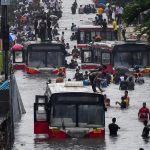
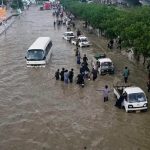
Meanwhile, the Central Railways cancelled or diverted at least 25 trains, leaving passengers stranded at stations overnight. In Nagpur, floodwaters entered local colonies, forcing rescue boats into residential areas.
Air travel wasn’t spared either—flights out of Mumbai experienced delays up to three hours, with passengers venting on social media about the “worst monsoon travel experience in years.”
Climate Crisis or Poor Planning? Experts Weigh In
While officials blame nature’s fury, climate experts argue that poor planning worsens monsoon disasters.
Dr. Anjali Deshmukh, a Pune-based environmentalist, says:
“Urbanisation without drainage planning has turned cities like Pune and Nagpur into water traps. Every year, we mourn deaths, but no long-term strategy emerges. The orange alert is a warning, but where’s the action plan?”
Citizens’ groups echo this frustration, demanding better flood mapping, stronger river embankments, and stricter construction laws near floodplains.
Government Response & Evacuations
The Maharashtra Disaster Management Authority (MDMA) confirmed over 3,000 people evacuated from low-lying villages in Nashik and Beed. Rescue teams are on standby with NDRF (National Disaster Response Force) deployed in high-risk areas.
Chief Minister Eknath Shinde urged calm but acknowledged the crisis:
“This is a testing time. We are ensuring food, shelter, and immediate relief for affected families. Citizens must follow alerts strictly.”
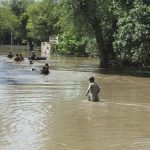
However, critics accuse the government of reacting too late, highlighting images of villagers wading through chest-deep waters without rescue support.
Impact Beyond Borders: The Human and Economic Toll
The monsoon’s fury isn’t just about deaths—it’s dismantling lives and livelihoods. Farmers report crop losses as soybean and cotton fields drown under relentless rains. Daily-wage workers, unable to step out, face starvation-level income cuts.
Economists warn that prolonged floods could cripple supply chains, affecting everything from vegetables in Mumbai markets to export shipments from Pune.
Tourism—especially in hill stations like Lonavala and Mahabaleshwar—has also been hit. Resorts report mass cancellations, with tourists either stuck or too afraid to travel.
Why This Story Matters Now
Celebrity voices: Bollywood actor Riteish Deshmukh, a Latur native, tweeted: “Year after year, our state suffers. We need more than sympathy—we need action.” His post went viral, sparking thousands of retweets.
Climate change debates: Hashtags like #MaharashtraFloods, #OrangeAlert, and #ClimateCrisis are trending on X (Twitter).
Public outrage: Citizens question whether government funds for flood prevention have been used effectively.
FAQs
Q1. What does an orange alert mean in Maharashtra? An orange alert signals heavy to very heavy rainfall with potential risks like floods, landslides, and lightning. It urges citizens and authorities to remain vigilant.
Q2. How many people died in Maharashtra due to recent rains? At least 7 people died this week alone—3 from lightning strikes in Nagpur, 2 drowning in Nashik, and 2 in Beed.
Q3. Which areas of Maharashtra are worst affected? Nagpur, Nashik, Beed, Satara, and Pune’s ghat regions are experiencing severe floods, transport disruptions, and lightning casualties.
Q4. What precautions should citizens take during orange alerts? Stay indoors, avoid flooded areas, disconnect electrical appliances during storms, and follow IMD advisories.
Are you or your loved ones affected by the Maharashtra monsoon mayhem? Share your experience below. Stay updated with Star Struck Times for the latest weather, Bollywood reactions, and breaking news.
Hello! I'm M Muzamil Shami, the founder and lead editor of Star Struck Times, your trusted source for trending news, entertainment scoops, celebrity gossip, sports highlights, and global headlines.
With a passion for storytelling and journalism, I created this platform to bring you breaking news, viral moments, and deep insights into the worlds of Bollywood, Hollywood, sports, politics, tech, and more — all in one place.