ISTANBUL, Turkey — Star Struck Times
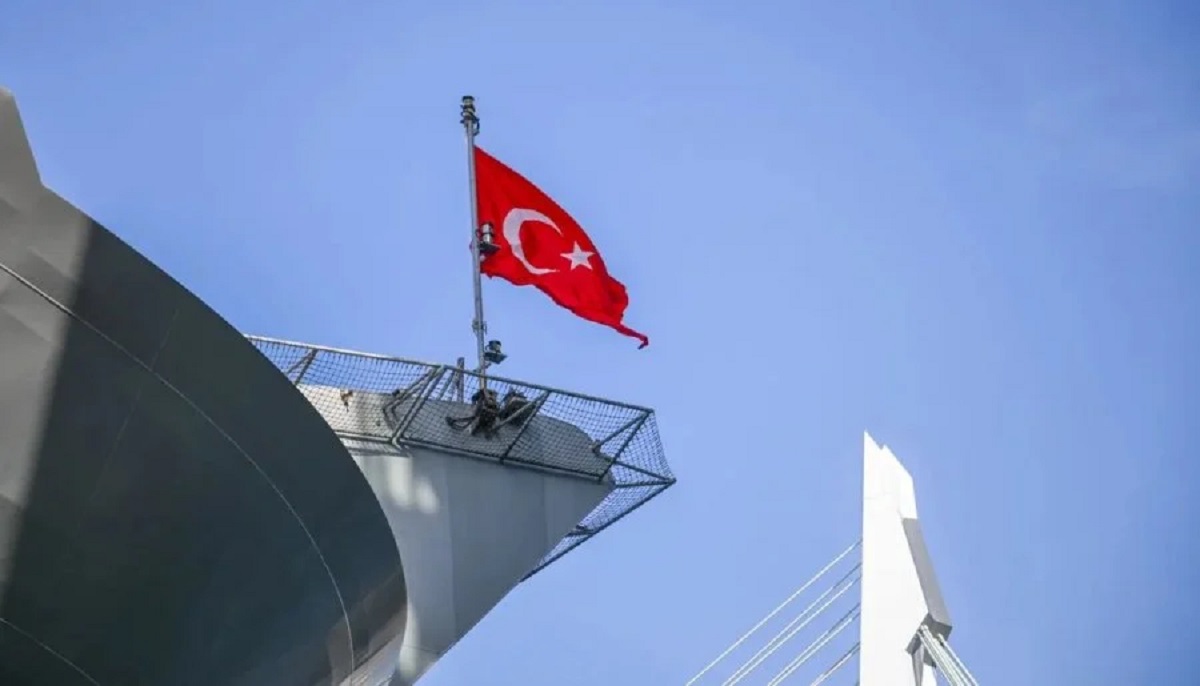
NATO air and missile defence systems successfully intercepted a ballistic missile launched from Iran that was detected heading toward Turkish airspace on March 4, 2026, according to official statements from Türkiye’s Ministry of National Defence. The missile passed through Iraqi and Syrian airspace before being engaged by NATO assets in the eastern Mediterranean, preventing any direct threat to Turkish territory.
The incident — which resulted in no reported casualties or injuries — has heightened international attention amid broader regional tensions involving Iran, the United States, and Israel. Ankara emphasized that it reserves the right to respond to hostile acts, while urging all parties to avoid further escalation.

Key Highlights
- Ballistic missile fired from Iran intercepted by NATO before entering Turkish airspace.
- Missile tracked passing through Iraqi and Syrian airspace prior to interception.
- No casualties or injuries reported on Turkish soil.
- Ankara warns against escalation and stresses right to defend airspace.
- Incident marks rare direct involvement of a NATO member in the broader Middle East conflict.
What Happened: Facts, Timeline, and Response
According to Türkiye’s Defence Ministry, a ballistic projectile presumed to be fired from Iran was detected after crossing Iraqi and Syrian airspace before changing direction toward Turkish territory on March 4, 2026. NATO air and missile defence systems stationed in the Eastern Mediterranean engaged the threat, neutralising it mid-air. Debris from the interception fell in the Dörtyol district of Hatay province.
Officials stressed that no deaths or injuries occurred as a result of the incident. The Defence Ministry emphasised that Türkiye’s determination to protect its airspace remains strong, while noting its right to respond to any hostile action.
Official Statements and Public Reaction
Turkish officials have urged restraint from all parties, while reiterating their commitment to national defence. Communications Director Burhanettin Duran stated that authorities were closely monitoring the situation in real time and coordinating with NATO allies. “Our determination and capacity to ensure the security of our country and our citizens are at the highest level,” Duran said.
An unnamed Turkish military official told AFP that the missile may have originally been aimed at a base in Greek Cyprus but veered off course before being intercepted.
Regional analysts expressed concern over the broader implications. “This incident challenges long-held assumptions that Iran would avoid targeting NATO territory,” said security analyst Sinan Ülgen, noting the unprecedented nature of the event.
Why It Matters: Strategic and Geopolitical Impact
The interception of a missile launched from Iran and headed toward a NATO member state marks a significant escalation in regional tensions. Although Ankara has not invoked Article 5 — the NATO provision for collective defence — the incident underscores the risk of broader involvement by the alliance amid ongoing conflict involving Iran, the U.S., and Israel.
NATO spokesperson Allison Hart condemned what the alliance described as Iran’s targeting of Türkiye, affirming that NATO would continue to stand with all its allies. “Our deterrence and defence posture remains strong,” Hart said in a statement highlighting NATO’s commitment to allied security.

Meanwhile, global markets and analysts are monitoring the situation closely due to potential impacts on energy markets and defence alignments.
Context: Broader Regional Conflict
The missile interception comes amid a wider military confrontation that has involved US and Israeli strikes on Iranian targets followed by Iranian retaliatory operations across several nations in the Middle East. While the exact motive and target of the Iranian-launched missile remain unclear, international observers are watching to see how Ankara balances its strategic ties with both NATO partners and regional neighbours.
What Happens Next
Turkish authorities and NATO allies are expected to continue consultations to assess security protocols and prevent further escalations. Diplomatic channels remain active, with calls for restraint and de‑escalation from multiple capitals. Analysts will be watching for possible strategic shifts within NATO’s southern flank and Tehran’s future military engagements.
FAQs
1. Was Turkey directly attacked by Iran?
Officials have not confirmed a deliberate attack; the missile was intercepted before entering Turkish airspace.
2. Were there any casualties or damage?
No casualties or injuries have been reported.
3. What is NATO’s response?
NATO strongly condemned the incident and reiterated its commitment to allied defence.
4. Could this trigger NATO’s Article 5?
Analysts say it’s unlikely at this stage, though the incident raises concerns about alliance security commitments.
5. What does this mean for regional stability?
The event highlights escalating tensions and potential complications in an already volatile Middle East conflict.
Explore more on world geopolitics and conflict coverage in our World News category.
Stay updated with Star Struck Times for the latest developments on global security and international relations.
Sources:
• Al Jazeera
• The News Digital
• Reuters via TBS News