Breaking/Exclusive: In an unprecedented escalation, Israel has decapitated Houthi leadership by targeting top officials in a high-security meeting in Sanaa. Among the casualties was Prime Minister Ahmed al-Rahawi, shocking the Middle East and sending ripples through international media. Experts suggest this marks a major shift in Israel’s military strategy, moving from infrastructure strikes to precision leadership targeting. What does this mean for the future of Yemen and the wider Middle East? Details are still emerging, but sources say this could reshape alliances, provoke retaliation, and escalate regional tensions.
- Israel conducted precision airstrikes in Sanaa, Yemen, hitting a government complex.
- Prime Minister Ahmed al-Rahawi and several ministers confirmed dead.
- Shift from infrastructure strikes to targeted decapitation of Houthi leadership.
- Houthis backed by Iran, potentially signaling wider regional conflict.
- Global reactions mixed: some countries support Israel’s right to defend, others condemn violation of sovereignty.
- Raises questions about power vacuum, retaliation, and Middle East stability.
Breaking News: Israel Targets Houthi Leadership in Sanaa Airstrike
In a significant escalation of the ongoing conflict, Israel has conducted a targeted airstrike in the heart of Yemen’s capital, Sanaa, resulting in the deaths of several high-ranking Houthi officials, including Prime Minister Ahmed al-Rahawi. This marks the most senior blow to the Iran-backed group to date, signaling a shift in Israel’s strategy from targeting infrastructure to eliminating key leadership figures.
The Strike: Precision and Impact
On August 28, 2025, Israeli fighter jets launched a series of precision strikes on a government complex in southern Sanaa. The complex was hosting a routine workshop attended by several top Houthi officials. Among the casualties was Prime Minister Ahmed al-Rahawi, who had been in office since August 2024. The Israeli military confirmed the operation, describing it as a “precise strike on a military target” associated with the Houthi regime. While the Houthis initially denied the extent of the damage, they later confirmed the deaths of al-Rahawi and several ministers.

Strategic Shift: Targeting Leadership
This airstrike represents a strategic shift in Israel’s approach to the conflict. Previously, Israeli operations focused on Houthi infrastructure, including missile storage sites and military installations. However, the recent targeting of top officials indicates a move towards dismantling the group’s leadership structure. Analysts suggest that this change in tactics is a response to the Houthis’ increasing involvement in regional conflicts, particularly their missile and drone attacks on Israel and Red Sea shipping routes.
Regional Repercussions: A Broader Conflict
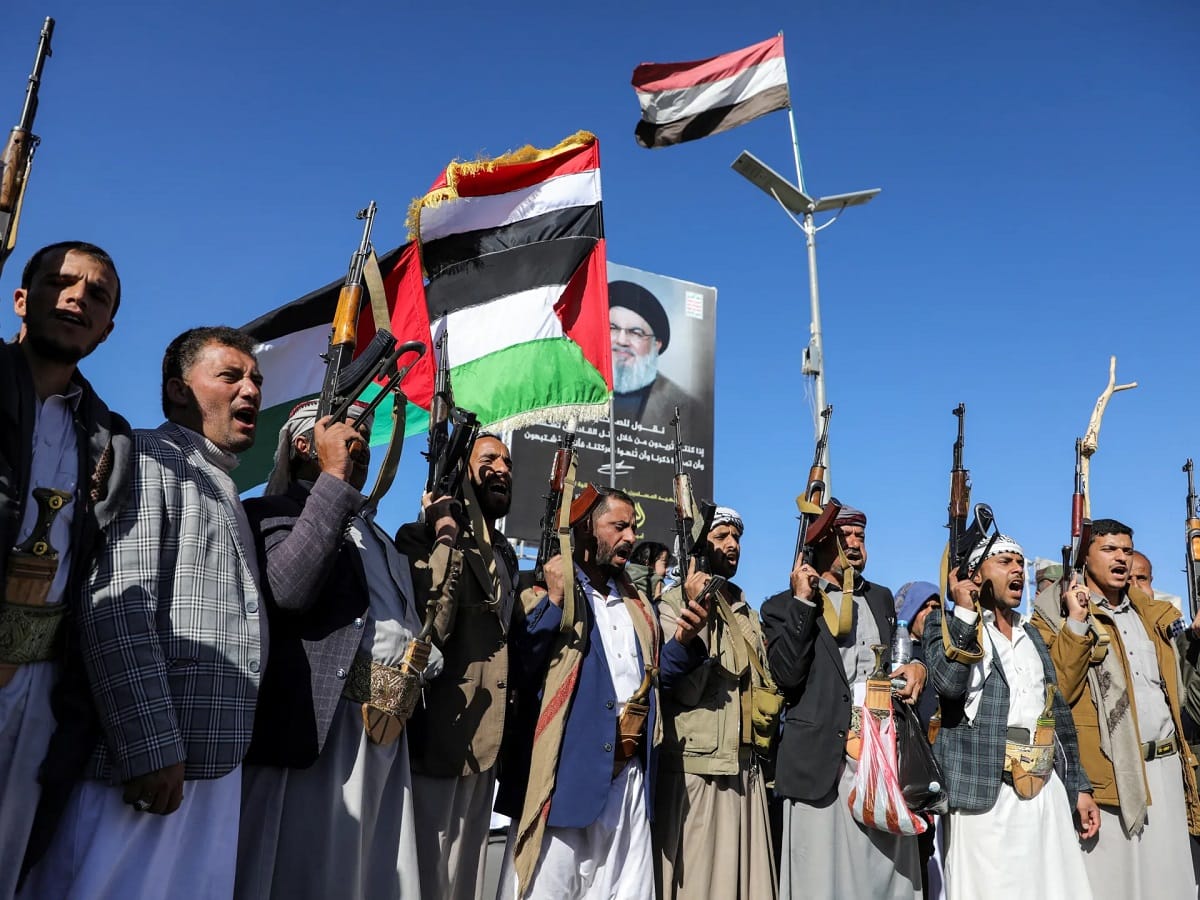
The death of Prime Minister al-Rahawi has significant implications for the broader Middle Eastern geopolitical landscape. The Houthis, backed by Iran, have been a vocal supporter of Palestinian factions, and their involvement in the Gaza conflict has drawn international attention. In retaliation for the airstrike, Houthi officials have vowed to continue their support for Gaza and to intensify their military efforts against Israel.
International Reactions: Condemnation and Support
The international community has responded with a mix of condemnation and support. While some nations have criticized Israel’s actions as an infringement on Yemen’s sovereignty, others have expressed support for Israel’s right to defend itself against what it perceives as an escalating threat from the Houthis. The United Nations has called for an immediate ceasefire and urged all parties to engage in dialogue to de-escalate the situation.
Looking Ahead: Potential Outcomes
The targeted elimination of Houthi leadership raises several questions about the future of the conflict. Will the death of key officials lead to a power vacuum within the Houthi movement, or will it galvanize their resolve? How will Iran respond to the loss of its allies in Yemen? And what role will other regional powers, such as Saudi Arabia and the United Arab Emirates, play in the evolving situation?
As the situation develops, the international community watches closely, hoping for a resolution that ensures stability and peace in the region.
FAQs:
- What was the target of the Israeli airstrike in Sanaa?
- The Israeli airstrike targeted a government complex in southern Sanaa, which was hosting a routine workshop attended by several top Houthi officials.
- Who was killed in the airstrike?
- Prime Minister Ahmed al-Rahawi and several ministers of the Houthi government were confirmed dead following the strike.
- Why did Israel target Houthi leadership?
- Israel’s decision to target Houthi leadership is seen as a response to the group’s increasing involvement in regional conflicts, particularly their missile and drone attacks on Israel and Red Sea shipping routes.
- What are the potential consequences of this strike?
- The strike could lead to a power vacuum within the Houthi movement, escalate tensions in the region, and draw in other regional powers into the conflict.
Stay informed on the latest developments in the Israel-Houthi conflict by subscribing to our newsletter. For in-depth analysis and updates, visit our Middle East section.