Missile strikes and drone attacks escalate Iran–Israel conflict with U.S. involvement
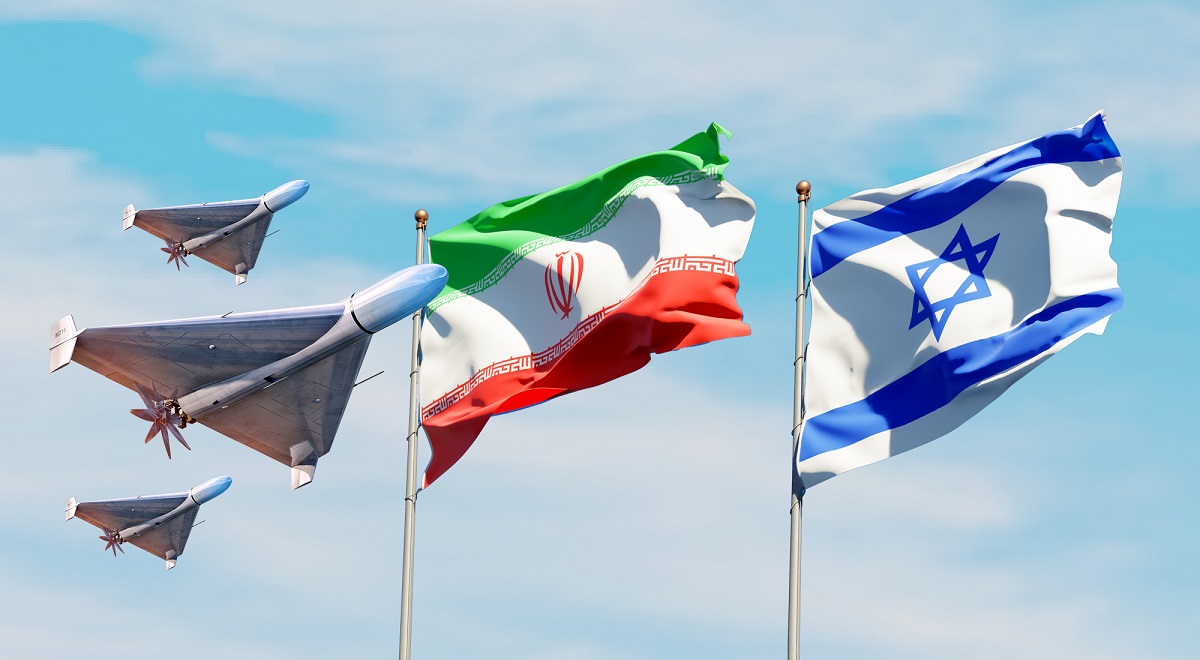
The Iran–Israel conflict escalates into one of the most dangerous confrontations in years. With missile strikes, drone attacks, and U.S. intervention, the world watches in fear as tensions spiral toward a wider regional war.
Key Points
Israel strikes Iranian nuclear and military facilities amid growing tensions.
Iran retaliates with missiles and drones hitting major Israeli cities.
U.S. military targets Iranian nuclear sites, deepening regional crisis.
Fears of wider Middle East war grow as civilians brace for escalation.
Global leaders urge restraint, but both sides show no signs of backing down.
Israel Launches Strikes on Iran’s Nuclear Sites
TEHRAN/JERUSALEM (Star Struck Times) — Israel confirmed launching precision strikes on Iranian nuclear and military facilities, claiming the move was necessary to prevent Tehran from advancing its nuclear program. Prime Minister’s office declared:
“We will not allow Iran to reach nuclear weapons capability. This is a matter of survival.”
The strikes caused significant damage to several underground facilities near Natanz and Fordow, sparking outrage in Tehran.
Iran Retaliates With Missiles and Drones
In swift retaliation, Iran unleashed ballistic missiles and kamikaze drones on Israeli cities including Tel Aviv and Haifa. The attacks injured dozens and caused widespread panic as air sirens blared across the nation.
Iran’s Revolutionary Guard Corps stated:
“Our response is only the beginning. Any aggression against Iran will be met with overwhelming force.”
U.S. Joins the Conflict
The United States intervened militarily, striking Iranian nuclear facilities to prevent further escalation of its weapons program. U.S. Defense Secretary confirmed the move, saying Washington “cannot allow Iran’s destabilizing actions to threaten global security.”
This has pushed the Middle East into a dangerous new phase, with fears of a direct Iran–U.S. confrontation.
Global Reaction and Civilian Impact
The UN Security Council has called for an emergency meeting.
European leaders urged “immediate de-escalation”, warning of catastrophic consequences.
Civilians on both sides are facing power outages, destroyed homes, and casualties.
Social media flooded with emotional reactions:
A fan in Tel Aviv wrote: “We’re scared every second. The sky is on fire.”
An Iranian student tweeted: “We want peace, not missiles. Ordinary people are paying the price.”
What This Means for the Region
Experts warn the escalation could draw in Hezbollah, Hamas, and Gulf states, creating a multi-front regional war. Oil markets have already reacted, with prices surging over 10% overnight.
FAQs
Q1: Why did Israel strike Iran now? Israel says Iran was moving closer to building nuclear weapons, making preemptive action necessary.
Q2: Will the U.S. get directly involved in a war? So far, U.S. involvement is limited to strikes on nuclear facilities, but risks of escalation remain high.
Q3: How are civilians affected? Thousands are displaced, with casualties reported on both sides. Infrastructure damage is spreading rapidly.
What do you think — will diplomacy stop this war, or is the Middle East heading toward a full-scale conflict? Share your views below!
Hello! I'm M Muzamil Shami, the founder and lead editor of Star Struck Times, your trusted source for trending news, entertainment scoops, celebrity gossip, sports highlights, and global headlines.
With a passion for storytelling and journalism, I created this platform to bring you breaking news, viral moments, and deep insights into the worlds of Bollywood, Hollywood, sports, politics, tech, and more — all in one place.











Can you be more specific about the content of your article? After reading it, I still have some doubts. Hope you can help me.
Your article helped me a lot, is there any more related content? Thanks! https://www.binance.bh/futures/ref?code=IXBIAFVY