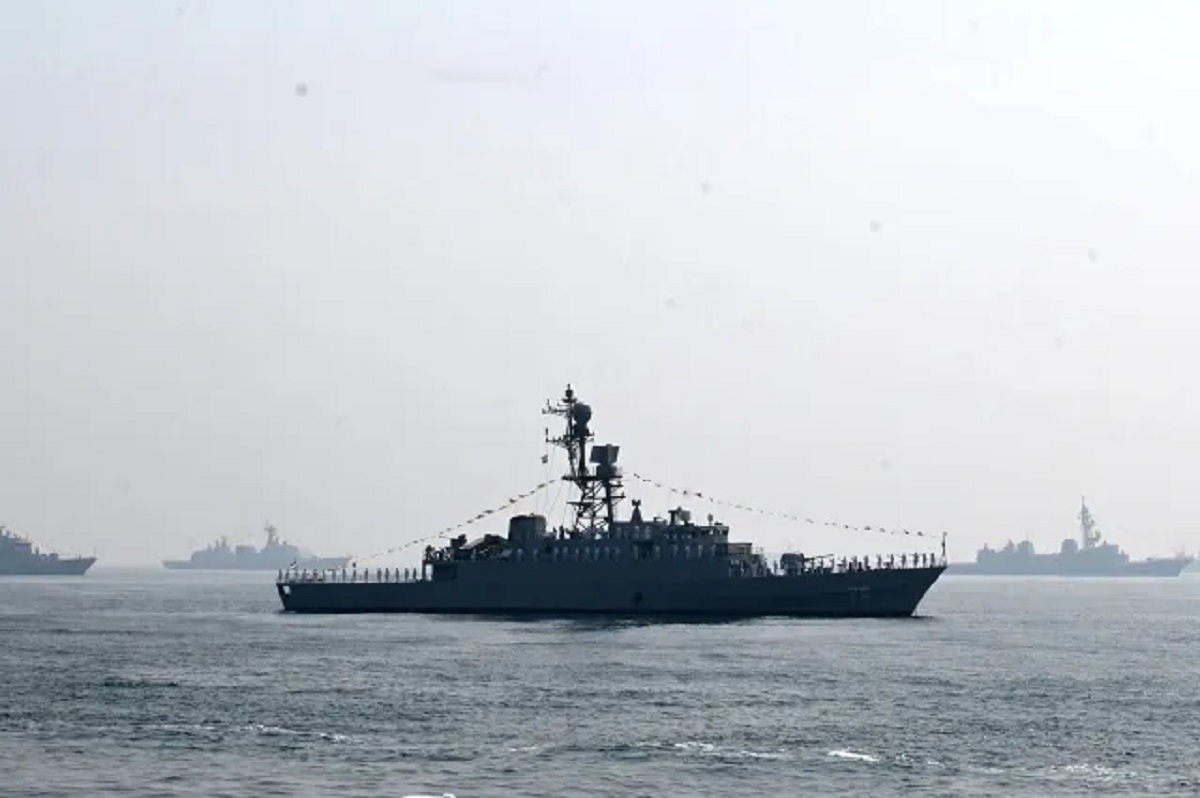
On March 4, 2026, the Iranian Navy frigate IRIS Dena sunk approximately 40 nautical miles south of the Sri Lankan coast in the Indian Ocean, resulting in significant loss of life and sparking global concern as hostilities tied to the ongoing Iran conflict widen beyond the Middle East. The incident, confirmed by multiple governments and defence sources, marks one of the most severe naval losses for Iran’s military in recent years.
The frigate was returning from a multinational naval exercise in India when distress signals prompted an urgent search-and-rescue effort by Sri Lankan authorities. Early reports suggest a submarine-launched torpedo strike may have caused the sinking, though investigations into responsibility and exact cause continue.
Key Highlights
Iranian frigate IRIS Dena sank off Sri Lanka on March 4, 2026 with many crew unaccounted for.
Sri Lanka Navy rescued survivors and recovered dozens of bodies.
U.S. officials confirmed a submarine torpedo attack on the vessel.
The incident reflects a geographic escalation of current regional conflicts.
Search-and-rescue operations are ongoing, and casualty figures remain fluid.
International reactions underscore heightened global tensions connected to the Iran conflict.
What Happened: Timeline and Facts
The IRIS Dena, a Moudge‑class Iranian naval frigate, sank on the morning of March 4, 2026 in international waters near Galle, Sri Lanka, after issuing a distress call. According to Sri Lankan naval sources, rescue forces reached the area within hours but found the ship had already gone under, leaving oil slicks and debris at the surface.
Sri Lanka’s Foreign Minister informed Parliament that 180 personnel were onboard at the time, with at least 32 crew members rescued and transported to hospital in Galle. Official estimates of deaths vary, with reports of at least 87 bodies recovered and scores more missing.
United States Defense Secretary Pete Hegseth publicly acknowledged that a U.S. submarine fired a torpedo that struck the Dena — the first such submarine torpedo attack since World War II, according to Pentagon briefings.
Public Reaction and Official Responses
Sri Lankan authorities, while assisting rescue efforts, have stressed their actions stemmed from obligations under international maritime law following the distress call. “Our naval and air assets responded immediately to save lives,” said a Sri Lankan naval spokesperson.
International reactions have been swift: Iran has condemned the attack, calling for accountability and asserting its sovereign military assets were targeted while operating in international waters. Officials in Tehran have not yet released detailed casualty figures.
Media analysts note that naval warfare so far from the main conflict theater signals a worrying expansion of hostilities. “This is not just a strategic blow to Iran’s navy; it’s a signal that any nation’s naval units, even outside conflict zones, may now be at risk,” said defense expert Dr. Laura Hines, director at the Global Maritime Security Institute.
A Sri Lankan fisherman interviewed near Galle expressed shock: “We were listening to the distress call, but to see so many lives lost… it’s heartbreaking.” Another resident remarked, “We hope peace returns quickly — nobody wants war near these waters.”
Why It Matters: Geopolitical and Regional Impact
The sinking of the IRIS Dena highlights the far‑reaching ripples of the Iran conflict, which has primarily unfolded in the Middle East. This latest development extends that impact into the Indian Ocean, affecting regional maritime security and long‑standing norms about engagement beyond declared combat zones.
Naval warfare specialists warn that targeting military vessels in international waters — particularly those not actively engaged in hostilities — sets a concerning precedent for global naval engagement rules. “Submarine torpedo strikes this far from the main theatre suggest a strategic recalibration by involved forces,” said retired Admiral James Carter.
The event also complicates Sri Lanka’s diplomatic stance, as it balances rescue obligations with maintaining neutrality amid growing global tensions.
Context: Similar Past Incidents
Historically, submarine combat against surface naval vessels has been rare since the Second World War. The last comparable incident occurred in the Gulf conflict decades ago, but none involved such a high‑profile nation as Iran in recent memory.
As part of the 2026 Iran conflict escalation, several Iranian naval vessels have been damaged or destroyed in recent months. The Dena’s sinking adds a new chapter to these developments, underscoring both technological and strategic shifts in modern naval operations.
What Happens Next
Search and rescue operations continue, with Sri Lankan authorities coordinating with international partners to locate missing crew. Investigations into the precise cause and responsibility for the attack are ongoing, with global attention on diplomatic and military consequences.
As reactions unfold in Tehran, Washington, and capitals worldwide, the implications for international maritime law, naval strategy, and regional stability remain deeply consequential.
FAQ
1. What caused the IRIS Dena to sink? Preliminary official statements indicate the frigate was hit by a torpedo from a U.S. submarine, though full investigations continue.
2. How many sailors were on board? Approximately 180 crew members were aboard the vessel when it issued its distress signal.
3. How many were rescued? Sri Lankan authorities rescued at least 32 sailors, with others transported to hospital.
4. Why is this significant? It marks one of the first submarine‑launched torpedo sinkings of an enemy warship since World War II, highlighting escalation in global naval conflict.
5. Is the conflict likely to spread further? Analysts warn that expanded combat zones could increase geopolitical tensions, but outcomes remain uncertain.
Explore more about the 2026 Iran conflict timeline in our database of ongoing global events.
Hello! I'm M Muzamil Shami, the founder and lead editor of Star Struck Times, your trusted source for trending news, entertainment scoops, celebrity gossip, sports highlights, and global headlines.
With a passion for storytelling and journalism, I created this platform to bring you breaking news, viral moments, and deep insights into the worlds of Bollywood, Hollywood, sports, politics, tech, and more — all in one place.