Russian Drones Shake Poland — NATO Jets Scramble, Zelenskiy’s Shocking Plea for Allied Defenses
Breaking Now: A chilling night over Poland turned into a high-stakes showdown as multiple Russian drones pierced NATO airspace, triggering immediate jet scrambles and sparking urgent calls from President Volodymyr Zelenskiy for a total rethink of Western air defenses. The incident, already trending across Google Discover, Twitter/X, and global news feeds, has fans, diplomats, and military experts buzzing with fear and outrage.
Key Points
- Poland confirms Russian drones breached its airspace, calling it a provocation.
- NATO scrambled allied fighter jets in immediate response.
- Zelenskiy warns: Allies must rethink air-defense against drones, not just missiles.
- Incident ignites fears of direct NATO-Russia escalation.
- Global leaders, military experts, and citizens react in shock across social media.
A Dangerous Violation in NATO Skies
WARSAW (Star Struck Times) — It was supposed to be another tense but predictable night on Poland’s eastern frontier. Instead, radar screens lit up with the unmistakable buzz of Russian drones crossing into Polish airspace — a direct violation of sovereignty and a potential flashpoint for a NATO-Russia confrontation.
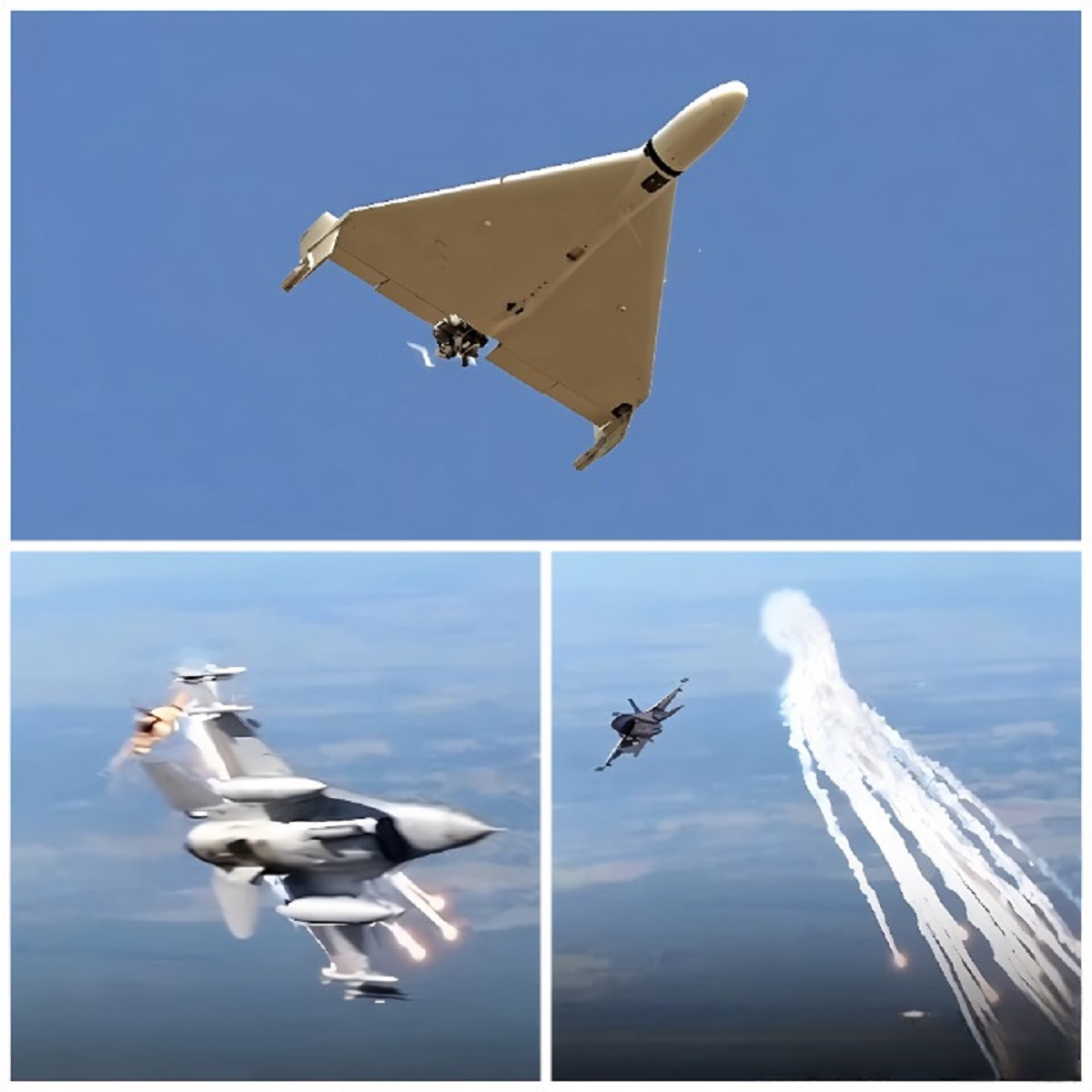
Polish officials wasted no time. “This was not an accident — it was a deliberate provocation,” a Warsaw defense spokesperson declared. Within minutes, NATO jets scrambled, streaking across the night sky in a tense intercept that echoed Cold War-era standoffs.

For Poland — a frontline NATO state bordering Ukraine — the incident was a stark reminder that Moscow’s war doesn’t stop at Ukraine’s borders.
Zelenskiy’s Emotional Plea to the West
Just hours later, Ukrainian President Volodymyr Zelenskiy took to the stage in Kyiv, visibly frustrated and impassioned.
“We cannot keep pretending drones are secondary threats. They are weapons of terror. Europe’s skies need a shield, not patchwork,” Zelenskiy declared, urging NATO allies to expand air-defense systems to tackle not only ballistic missiles but also the relentless swarm of drones Russia has unleashed.
His words struck a chord. For weeks, Ukrainian cities have endured nightly drone barrages, many of them Iranian-made Shahed drones, designed to terrorize civilians as much as disable infrastructure.
NATO’s Balancing Act
Behind closed doors, NATO leaders are in damage-control mode. Article 5 — the cornerstone of NATO’s defense — looms in the background. But triggering it could mean war.
Military analyst Col. James Porter (Ret.) told Star Struck Times:
“NATO is walking a tightrope. Every drone that crosses into Poland is a test — a test of patience, a test of resolve. The Kremlin wants to see how far it can push without sparking a wider war.”
Already, Germany, France, and the United States have expressed “grave concern.” Social media is ablaze with speculation: is this the closest NATO and Russia have come to direct conflict since Ukraine’s invasion began?

Social Media Erupts: Outrage, Fear, and Memes
On Twitter/X, hashtags like #PolandUnderAttack, #NATO, and #DroneWar trended overnight. Some users posted chilling videos of jets roaring across Polish skies. Others reacted with anger:
- “Enough talk. NATO needs to act NOW.” — @EuropeDefends
- “Zelenskiy is right. Stop underestimating drones.” — @KyivVoice
- “One drone away from WW3.” — @GeoWatch
Meanwhile, TikTok saw ironic memes about “drone invasion alerts” — a mix of fear and gallows humor typical of Gen Z’s war commentary.
Why This Matters for Global Security
The Russian drone incursion into Poland isn’t just another border violation. It’s a direct NATO challenge, a move that forces the alliance to confront the limits of its deterrence.
Experts warn:
- If drones continue crossing into NATO territory, pressure will mount for direct retaliation.
- The incident will likely accelerate air-defense investments, from Germany’s “Sky Shield” project to joint US-European initiatives.
- For Russia, every drone flight into Poland tests how close it can push NATO without triggering war.
Human Angle: Fear in Polish Villages
In the border town of Białowieża, residents were jolted awake by the roar of jets.
“We heard the alarms, then saw streaks of light in the sky. Everyone feared it was the start of war,” said Marta Kowalska, a local teacher. Parents rushed children into basements, unsure if missiles might follow.
This psychological toll — the constant anxiety of being on the edge of escalation — is spreading from Ukraine to its NATO neighbors.
FAQs
Q1: Did Russian drones really enter Polish airspace?
Yes. Poland’s defense ministry confirmed multiple incursions, calling them deliberate provocations. NATO jets responded immediately.
Q2: What did President Zelenskiy say?
Zelenskiy urged NATO allies to rethink air defenses, emphasizing drones as a serious threat, not just missiles.
Q3: Could this trigger NATO’s Article 5?
Not immediately. NATO views it as a provocation but short of an armed attack requiring collective defense.
Q4: How are global leaders reacting?
The US, Germany, and France condemned the incursion, while social media debates whether NATO is being too cautious.
Do you think NATO should retaliate harder against Russian drone incursions, or is restraint the wiser path to avoid global war? Comment your thoughts below and join the discussion.
For more updates, explore our World News section covering Ukraine, Russia, NATO, and global politics.