Breaking News: In a shocking turn of events, Israel launched a deadly precision airstrike on Sanaa, Yemen, killing Houthi Prime Minister Ahmed al-Rahawi and several senior ministers during a routine government meeting. The strike, carried out on August 28, 2025, stunned regional powers, rattled global headlines, and sent shockwaves through Middle Eastern politics. But what does this bold escalation mean for the future of the conflict?
- Houthi Prime Minister Ahmed al-Rahawi killed in Israeli airstrike.
- Several senior ministers also dead after the missile strike targeted a Sanaa meeting.
- The attack comes amid escalating Houthi drone and missile strikes on Israel.
- Israel signals a major strategic shift, targeting top Houthi leadership directly.
- Global powers call for restraint, but tensions soar in the region.
A Strike That Changed the Game
In the early hours of August 28, 2025, the skies above Sanaa, Yemen’s war-battered capital, lit up with fire. Israeli fighter jets, in a high-risk operation, unleashed a precision-guided missile strike on a heavily guarded government building. Inside, Prime Minister Ahmed al-Rahawi and his top ministers were in session, discussing the ongoing Houthi campaign against Israel and Saudi Arabia. Within seconds, the room turned into rubble, wiping out the political core of the Houthi leadership.
Eyewitnesses described the scene as “apocalyptic.” Black smoke rose over the old city, sirens wailed, and rescuers scrambled through debris to pull out lifeless bodies. For Yemenis, who have endured years of conflict, this was no ordinary strike — it was a decapitation attack that could alter the balance of the war.

Why Israel Struck Now
The Houthis, backed by Iran, have intensified their cross-border campaign over the past year, launching drone swarms, long-range missiles, and sea-based attacks aimed at Israel’s southern cities and strategic shipping lanes in the Red Sea. Israel, already stretched thin by its confrontation with Hezbollah and escalating West Bank violence, saw the Houthi escalation as a red line.
A senior Israeli defense official, speaking anonymously, said: “The strike was a message: no leader is safe if they target Israel. The Houthis crossed the threshold, and we responded at the highest level.”
By directly targeting Ahmed al-Rahawi, Israel not only crippled the Houthi political chain of command but also signaled its willingness to escalate beyond proxy warfare. This marks a historic turning point in Israel’s engagement with Yemen.
Who Was Ahmed al-Rahawi?
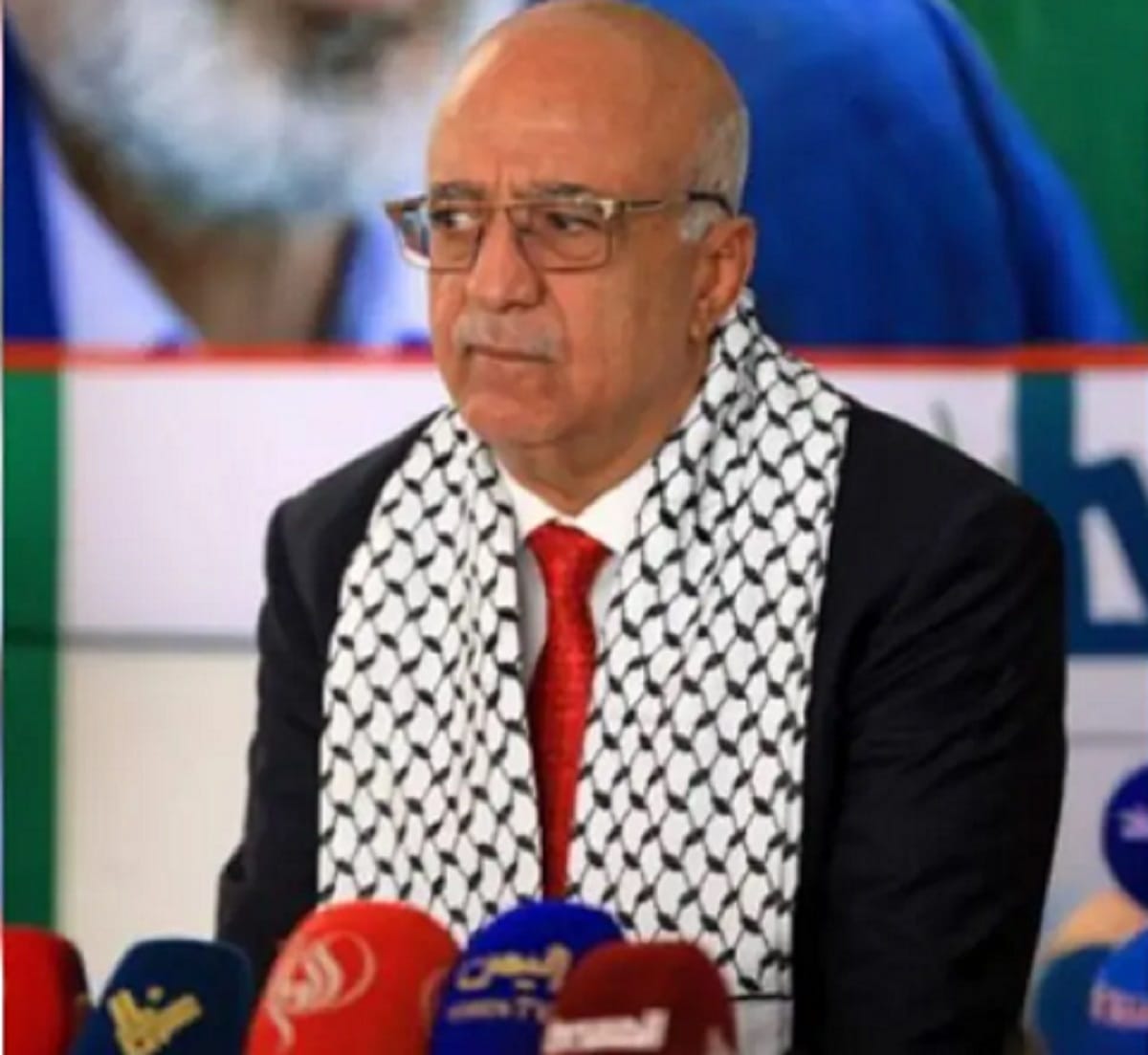
Ahmed al-Rahawi, the slain Houthi Prime Minister, was considered the architect of the group’s political strategy. A staunch hardliner, he played a central role in coordinating military campaigns with Iran’s Revolutionary Guard Corps (IRGC) and Hezbollah operatives. For the Houthis, his death is not just symbolic — it’s a crippling operational loss.
Political analysts compare his assassination to the 2020 U.S. strike on Iranian General Qassem Soleimani, noting that such decapitation strikes often unleash both chaos and a cycle of revenge.
Global Shockwaves and Reactions
The strike immediately drew international reactions:
- Iran condemned the attack as a “cowardly act of war” and vowed retaliation.
- Saudi Arabia cautiously welcomed the weakening of Houthi leadership but urged de-escalation to avoid regional spillover.
- The United States called for restraint, wary of being dragged into another Middle Eastern escalation.
- The UN expressed deep concern over the loss of civilian lives in Sanaa and urged all sides to return to diplomacy.
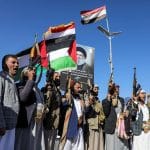
On the streets of Sanaa, grief and anger mixed. Thousands of Houthi supporters flooded the streets, chanting anti-Israel slogans, as militia leaders vowed “revenge attacks” that could expand the war zone even further.

What This Means for the Houthi Movement
For the Houthis, losing their Prime Minister and multiple ministers in one strike is a devastating blow. But experts warn this could also harden their resolve.
Dr. Leila Hassan, a Middle East expert, told Star Struck Times: “Decapitation strikes rarely end insurgencies. Instead, they create martyrs and fuel retaliation. The Houthis will almost certainly escalate — and Israel must prepare for a broader confrontation.”
Already, Houthi media outlets have declared a “state of total war” against Israel, hinting at new waves of drone and missile attacks targeting Tel Aviv, Haifa, and Eilat.
Could This Trigger a Regional War?
The biggest question now: Will this strike ignite a broader regional war? With Iran, Hezbollah, and the Houthis all aligned against Israel, the possibility of a multi-front escalation looms large.
Military analysts suggest that Israel’s bold gamble could pay off if the Houthis collapse under leadership vacuum. But if Iran doubles down, Israel could find itself facing an unprecedented three-front war — in Lebanon, Gaza/West Bank, and Yemen.
FAQs
Q1: Why did Israel target the Houthi leadership in Yemen?
A1: Israel targeted the Houthi leadership because of increasing drone and missile attacks launched from Yemen against Israeli territory and Red Sea shipping lanes.
Q2: Who was Ahmed al-Rahawi?
A2: Ahmed al-Rahawi was the Houthi Prime Minister, a key political leader, and architect of the group’s strategy with Iran and Hezbollah.
Q3: How many ministers were killed in the strike?
A3: Exact numbers remain unclear, but reports confirm that multiple senior ministers died alongside Ahmed al-Rahawi in the targeted meeting.
Q4: What could happen next?
A4: Analysts warn of likely Houthi retaliation against Israel, potentially escalating into a wider regional conflict involving Iran.
Do you think Israel’s bold strike was a necessary act of defense or a dangerous step Share your thoughts in the comments below and follow Star Struck Times for the latest breaking news updates.