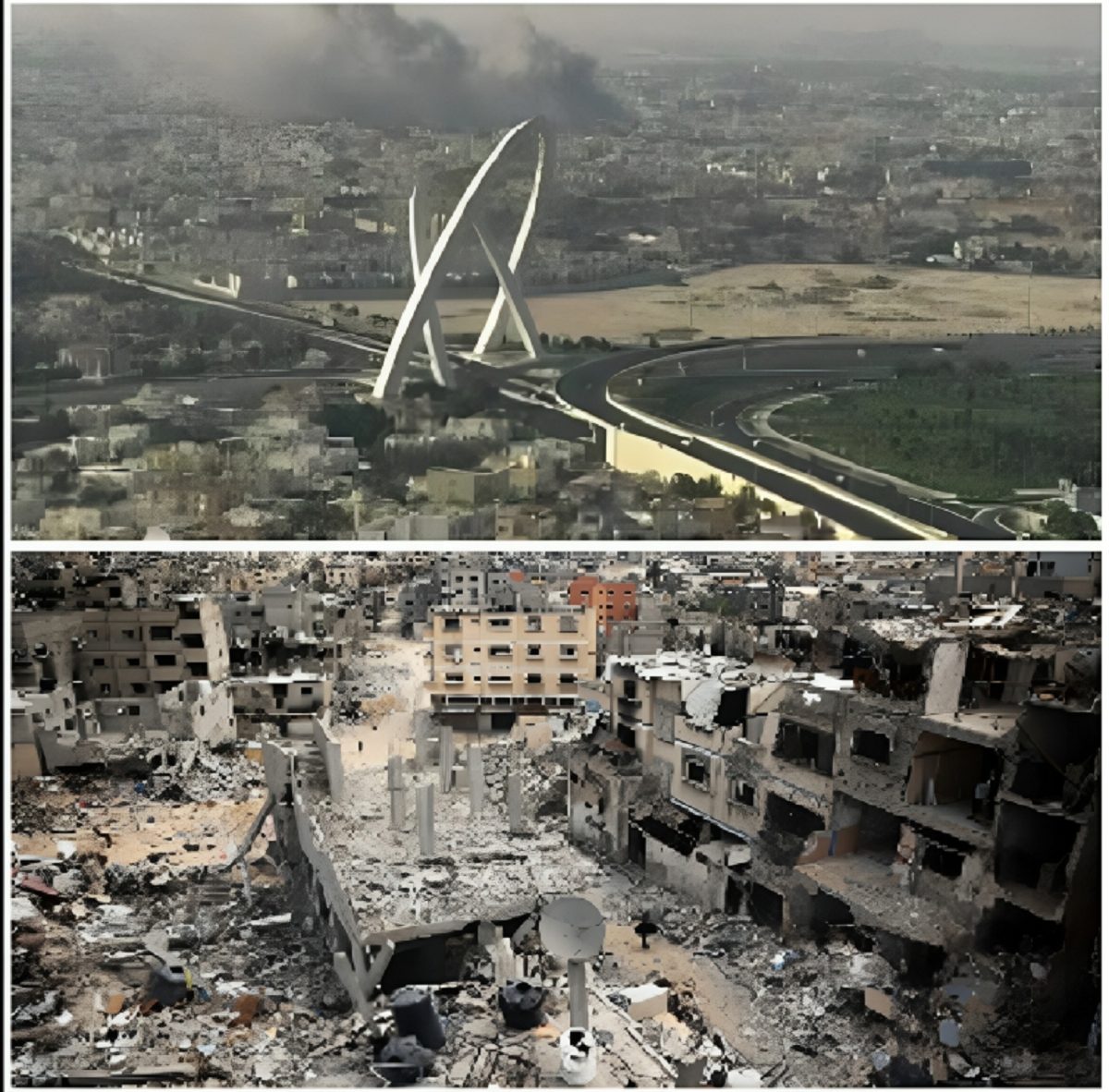
Smoke rises over Doha following the Israeli airstrike targeting Hamas leadership during ceasefire talks.
Airstrike on Qatari Capital Escalates Tensions, Drawing Global Condemnation
Israel’s Airstrike on Hamas Leadership in Doha: A Bold Move or a Dangerous Escalation?
In a dramatic turn of events, Israel has launched an airstrike targeting Hamas leadership in Doha, Qatar, during ongoing ceasefire negotiations. The attack has sent shockwaves through the international community, raising questions about the future of peace efforts in the region.
Key Points
Israel launched an airstrike targeting Hamas leadership in Doha, Qatar, during ceasefire negotiations.
The attack resulted in the deaths of five individuals, including the son of Hamas leader Khalil al-Hayya.
Several others were injured, and a Qatari security officer was killed.
The international community has condemned the strike, with calls for an emergency UN meeting.
Israeli officials defended the operation as a necessary measure for national security.
Background
DOHA (Star Struck Times) — On September 9, 2025, Israel conducted an airstrike in Doha, Qatar, targeting the leadership of Hamas. The strike occurred during a meeting between Hamas leaders to discuss a U.S.-proposed ceasefire in Gaza. The attack has been described as a significant escalation in the ongoing conflict between Israel and Hamas.
Conflict
The airstrike resulted in the deaths of five individuals, including the son of senior Hamas leader Khalil al-Hayya. Several others were injured, and a Qatari security officer was also killed. Hamas officials have condemned the attack, labeling it a violation of international law and a deliberate attempt to sabotage peace efforts.
Escalation
The international community has reacted strongly to the strike. U.S. President Donald Trump expressed his disapproval, stating he was “very unhappy” with the attack. The United Nations has called for an emergency meeting to address the situation. Qatar, a key U.S. ally in the region, has condemned the strike as a breach of its sovereignty and a threat to regional stability.
Reaction
Israeli Prime Minister Benjamin Netanyahu defended the operation, stating it was a necessary measure to protect Israeli citizens from Hamas attacks. He emphasized that Israel would continue to take action against Hamas leadership wherever they are located.
Defense
Supporters of the Israeli action argue that the strike was justified, given Hamas’s history of attacks against Israel. They contend that such measures are essential for national security and deterrence.
Conclusion
The airstrike in Doha has significantly heightened tensions in the Middle East. It has raised concerns about the future of peace negotiations and the potential for further escalation in the region. The international community continues to monitor the situation closely, calling for restraint and renewed efforts toward dialogue and diplomacy.
FAQs:
What prompted Israel’s airstrike in Doha? The airstrike was launched during a meeting between Hamas leaders to discuss a U.S.-proposed ceasefire in Gaza.
Who were the casualties in the attack? Five individuals were killed, including the son of Hamas leader Khalil al-Hayya, and several others were injured.
How has the international community responded? The strike has been widely condemned, with calls for an emergency UN meeting to address the situation.
What is Israel’s justification for the attack? Israeli officials stated the operation was necessary to protect Israeli citizens from Hamas attacks.
What are the implications for peace negotiations? The attack has raised concerns about the future of peace efforts and the potential for further escalation in the region.
Stay informed on this developing story by following our updates. Share your thoughts and engage in the conversation below.
Hello! I'm M Muzamil Shami, the founder and lead editor of Star Struck Times, your trusted source for trending news, entertainment scoops, celebrity gossip, sports highlights, and global headlines.
With a passion for storytelling and journalism, I created this platform to bring you breaking news, viral moments, and deep insights into the worlds of Bollywood, Hollywood, sports, politics, tech, and more — all in one place.