Sudden cancellation of U.S. envoy visit raises geopolitical questions in South Asia and Middle East
Karachi, Pakistan | April 27, 2026 — Star Struck Times
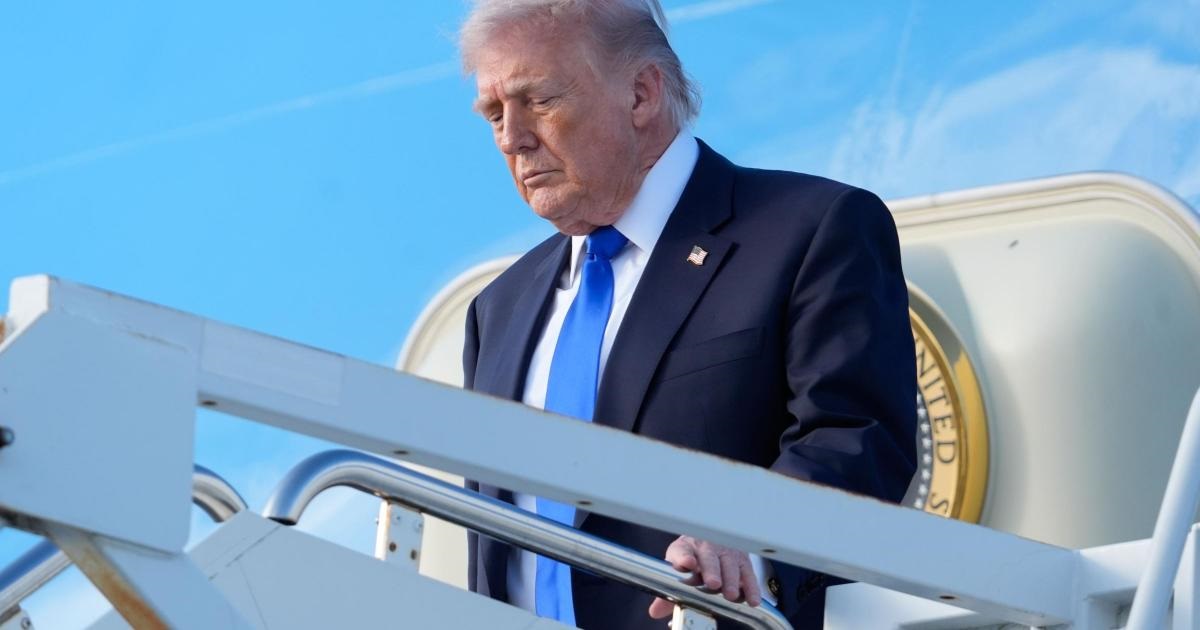
The sudden cancellation of a planned U.S. envoy visit to Pakistan has triggered intense diplomatic speculation across Washington, Islamabad, and Tehran. According to multiple international reports including BBC News and Al Jazeera, former U.S. President Donald Trump has withdrawn a diplomatic delegation that was expected to engage Pakistan in discussions linked to escalating Iran–U.S. tensions.
The decision comes at a time when Iran’s Foreign Minister Hossein Amir-Abdollahian Araghchi is actively engaging regional partners, including a recent stop in Oman and scheduled talks in Moscow. The cancellation has raised questions about shifting U.S. strategy in South Asia and the broader Middle East.
For readers following international developments, more context can be explored under the Star Struck Times World News section.
Key Highlights
Trump reportedly cancels U.S. envoy visit to Pakistan amid Iran tensions
Decision confirmed by diplomatic sources cited in BBC and Al Jazeera coverage
Iran continues regional outreach through Oman, Pakistan, and Russia
Islamabad left without scheduled high-level U.S. engagement
Analysts suggest shift in U.S. diplomatic strategy
Rising uncertainty in Middle East–South Asia geopolitical alignment
What Happened: Sudden Diplomatic Withdrawal
Reports published by BBC News and Dawn indicate that the U.S. delegation, which was expected to land in Islamabad for preliminary consultations on Iran-related diplomacy, has been abruptly called off.
The visit was expected to focus on indirect communication channels between Washington and Tehran, with Pakistan acting as a potential diplomatic facilitator. However, according to unnamed diplomatic sources, the Trump administration decided to “pause engagement” due to “strategic reassessment of regional priorities.”
While no official White House statement has confirmed detailed reasoning, analysts from Al Jazeera suggest that internal disagreements within U.S. foreign policy circles may have influenced the decision.
Regional Reactions and Diplomatic Silence
Islamabad has not issued a detailed public response, though officials have acknowledged awareness of the cancellation. A senior Pakistani diplomatic source told regional media that the move was “unexpected but not entirely surprising given current global tensions.”
Iran, meanwhile, continues its diplomatic outreach. Foreign Minister Araghchi is reported to be traveling to Moscow after brief consultations in Oman, signaling Tehran’s effort to strengthen ties with major regional powers.
A political analyst based in London noted: “Pakistan often plays a quiet mediating role between competing blocs. This cancellation removes one of the possible diplomatic bridges in a highly sensitive moment.”
“This is a dangerous vacuum in diplomacy,” wrote one international relations commentator.
Another user posted, “Great powers are shifting strategies again—Pakistan is caught in the middle.”
Why This Matters: A Shift in Geopolitical Balance
The cancellation is not just a procedural change—it signals a potential recalibration of U.S. diplomatic engagement in the region.
Pakistan has historically served as a strategic intermediary in U.S.–Iran communication channels, particularly during moments of heightened tension. Removing this engagement could indicate:
A more unilateral U.S. approach to Iran policy
Reduced reliance on third-party diplomatic mediators
Increased pressure on European or Gulf states to fill the gap
Experts from the Brookings Institution have previously noted that “regional intermediaries like Pakistan become critical when direct dialogue collapses.”
This latest move, therefore, may reshape how backchannel diplomacy operates in the coming months.
What Other Reports Missed: Hidden Strategic Layer
Most international coverage focuses on the cancellation itself, but few highlight a deeper strategic layer: timing.
The decision coincides with:
Increased Iran–Russia diplomatic coordination
Renewed discussions on Middle East security architecture
Rising tensions in maritime trade routes in the Arabian Sea
This suggests the cancellation may not be isolated but part of a broader repositioning of U.S. foreign policy priorities.
Another overlooked factor is Pakistan’s balancing act. Islamabad has maintained cautious neutrality while engaging both Western and regional powers. A sudden removal from diplomatic processes could pressure Pakistan to reassess its regional role.
Expert Insight
A former South Asian security advisor, speaking on condition of anonymity, explained:
“When major powers adjust diplomatic engagement abruptly, it often reflects internal disagreements rather than external events. Pakistan’s exclusion at this stage may be temporary, but it signals uncertainty in how Washington plans to approach Iran.”
This insight aligns with broader reporting trends from Reuters and BBC diplomatic correspondents who suggest Washington is reassessing negotiation frameworks.
What Happens Next
The coming weeks will be crucial. Analysts expect:
Clarification from U.S. State Department officials
Continued Iranian diplomatic outreach to Russia and regional partners
Possible backchannel efforts through European intermediaries
Pakistan seeking reassurance on its diplomatic role
If tensions escalate further, alternative mediation channels may emerge quickly to fill the gap left by the cancelled visit.
FAQs
1. Why did Trump cancel envoys’ visit to Pakistan?
Reports suggest a strategic reassessment of U.S. diplomatic priorities amid rising Iran tensions.
2. Was Pakistan involved in Iran–U.S. talks?
Pakistan was expected to play a facilitative diplomatic role, not as a direct negotiator.
3. What is Iran doing after the cancellation?
Iran continues regional diplomacy, including visits to Oman and upcoming talks in Moscow.
4. How does this affect Pakistan?
It may temporarily reduce Pakistan’s role in regional mediation efforts.
5. Could the visit be rescheduled?
Diplomatic sources say future engagement is still possible but not confirmed.
Hello! I'm M Muzamil Shami, the founder and lead editor of Star Struck Times, your trusted source for trending news, entertainment scoops, celebrity gossip, sports highlights, and global headlines.
With a passion for storytelling and journalism, I created this platform to bring you breaking news, viral moments, and deep insights into the worlds of Bollywood, Hollywood, sports, politics, tech, and more — all in one place.