- Famine Declared: IPC officially confirms famine in Gaza City—first in the Middle East.
- Severe Spread Expected: Could impact up to 641,000 people by September.
- Human-Made Crisis: UN leaders call it a “moral indictment” and warn of preventable deaths.
- Israel Disputes Findings: Authorities label famine claims “lies,” citing increased aid.
- Urgent Call to Action: Aid experts and global leaders demand ceasefire and unrestricted humanitarian access.
What’s Driving This Crisis?
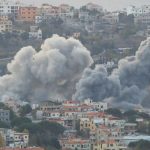
After nearly two years of war and a crippling blockade, Gaza City’s food systems have collapsed. Israel’s stringent restrictions on aid, combined with intense bombardment that decimated bakeries, mills, and agricultural infrastructure, have pushed hunger into catastrophic territory. Aid agencies face impossible conditions: looting, destroyed roads, and bureaucratic obstacles prevent lifesaving relief from reaching those most in need.
How Severe Is It?
The Integrated Food Security Phase Classification (IPC) uses strict benchmarks to define famine: at least 20% of households must face extreme food deprivation, a minimum of 30% of young children suffer acute malnutrition, and daily death rates exceed thresholds due to starvation-related causes. Gaza City has met these criteria—and tragically so.
- 500,000+ Gazans—nearly 25% of the population—are already in crisis.
- By end of September, that number could swell to 641,000.
- This marks the first IPC-declared famine outside Africa.
Voices from Global Leaders
UN Secretary-General António Guterres decried the famine as a “human-made disaster, a moral indictment, and a failure of humanity itself,” urging a ceasefire and full aid access. UN humanitarian chief Tom Fletcher accused some Israeli leaders of openly using starvation as a wartime tactic. British Foreign Secretary David Lammy condemned the situation as a “moral outrage” that was entirely avoidable.

Israel’s Response
Israel rejects the famine declaration, calling the IPC report biased and based on flawed data influenced by Hamas. Officials claim aid is flowing, citing over 100,000 trucks delivered since the conflict began. However, watchdogs and aid groups argue the volume remains far below what’s required—and point to systemic obstruction as the cause.
What Happens Next?
With famine now confirmed, the pressure is mounting globally. Without immediate intervention—lifting blockades, opening crossings, and delivering large-scale humanitarian aid—thousands more could perish. This crisis is reversible—but time is running out.
FAQs
1. What exactly is a famine under IPC standards?
A famine is declared when 20% of households lack food, 30% of children under 5 suffer acute malnutrition, and starvation-related death rates are above thresholds.
2. Why is Gaza City experiencing famine now?
The devastation is due to nearly two years of conflict, economic collapse, blockade, and destruction of food infrastructure.
3. Who declared the famine and what does it mean?
The UN-backed Integrated Food Security Phase Classification (IPC) declared it, signaling a dramatic escalation of a man-made humanitarian crisis.
4. How is the world reacting to this?
World leaders and organizations are calling it a moral failure and demanding an immediate ceasefire and unrestricted aid access.
We cannot stand by while famine sweeps through Gaza. Join the global call—urge your representatives to demand a ceasefire and open humanitarian corridors now.