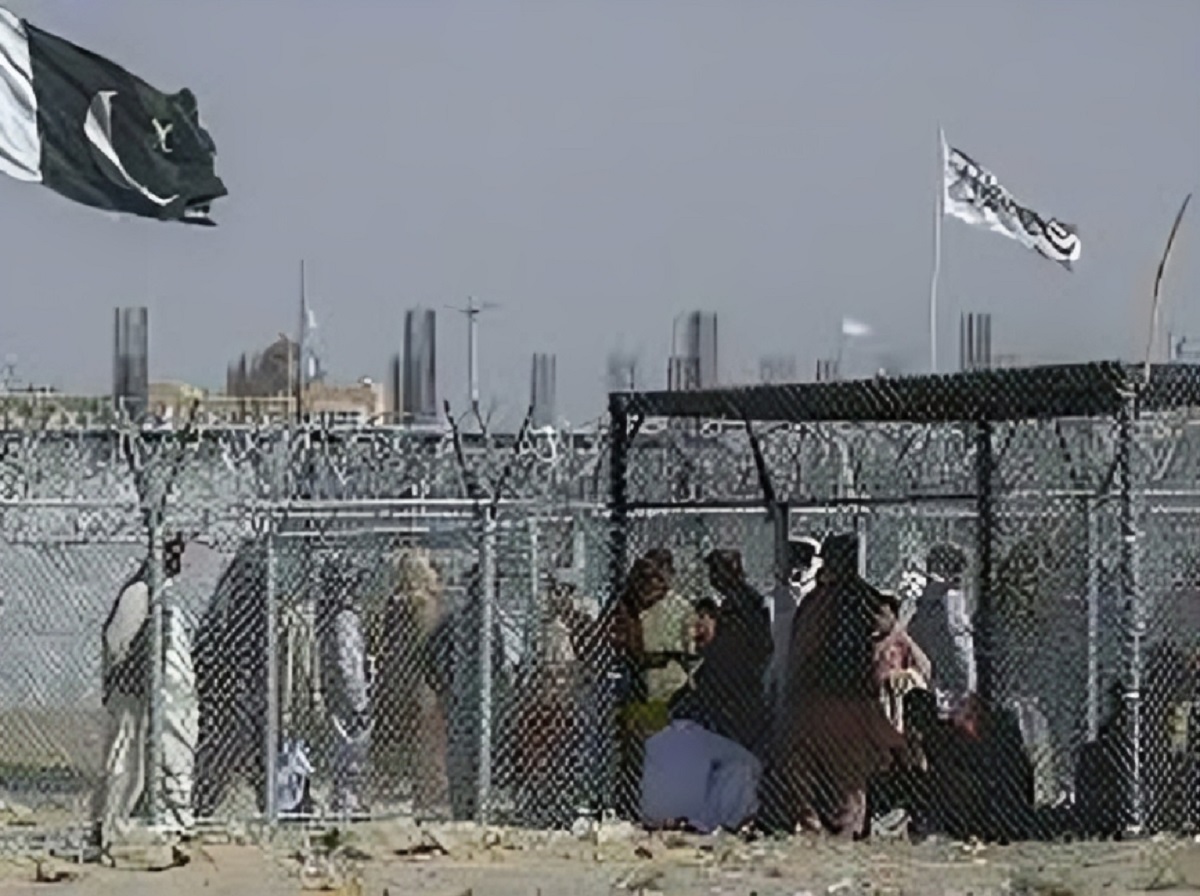
Islamabad / Karachi (Star Struck Times) — In a sharp development, Pakistan’s government declared its civilian and military patience has worn thin amid fresh border clashes with its neighbour, Afghanistan. On October 26, Islamabad reported that five Pakistani soldiers and 25 militants from the Tehrik‑e‑Taliban Pakistan (TTP) were killed in engagements near the Afghan frontier even as peace talks were underway in Istanbul.
The engagements occurred shortly after a 48-hour cease-fire agreed on October 19, which appeared fragile at best. Pakistani authorities said the militant groups were infiltrating from Afghan territory — undermining Islamabad’s demand that Kabul act decisively.
Afghanistan’s interim government, led by the Islamic Emirate of Afghanistan, denies providing sanctuary to the TTP, instead insisting that Pakistan must resolve internal insurgency issues itself. According to Pakistan’s Information Minister Attaullah Tarar, the Istanbul talks mediated by Qatar and Turkey “failed to bring about a workable solution” after four days.

The minister accused the Taliban government of deflecting and giving no realistic assurances on denying militants sanctuary. “We will continue to take all possible measures necessary to protect our people from the menace of terrorism,” Tarar said.
Across Islamabad, the message is clear: without credible Afghan action, Pakistan is ready for a far stronger response. Defence Minister Khawaja Asif went so far as to warn future attacks would be met with a response “50 times stronger.”
For analysts, the situation marks a rare convergence of diplomatic collapse, military brinkmanship and regional pressure. “A wider conflict looms as neighbours fail to agree on dismantling the TTP armed group,” one report warns.
The significance of this crisis cannot be overstated. The Pakistan-Afghanistan border region has long been volatile, but the new round of violence — coupled with stalled diplomacy — directly threatens Pakistan’s internal security, insurgency risks, cross-border strikes and refugee/migration flows. With trade, mineral investment and regional connectivity at stake, the costs of escalation are high.
A timeline of recent events:
• Early October: After explosions in Kabul on Oct 9, Pakistan launched strikes on Afghan soil, triggering a backlash.
• Oct 19: A cease-fire was agreed in Doha but remained shaky.
• Oct 25–26: Clashes left Pakistani soldiers and militants dead during Istanbul talks.
• Oct 28–29: Istanbul talks collapse; Islamabad says Afghanistan gave no commitments.
Audience reactions and context reveal the levels of public concern. On social-media platform X, Pakistani users expressed frustration that diplomatic efforts are “toothless” while militants continue launching raids from across the border. On the Afghan side, scepticism remains about Islamabad’s claims of non-state actors and suggested Pakistani drone or air operations.
Still, both capitals claim the cease-fire remains intact — even while acknowledging that enduring peace is not yet within reach. The next steps, diplomats warn, could prove far more dangerous if either side miscalculates.

In the days ahead, all eyes will be on whether Afghanistan responds with concrete action — or whether Pakistani forces opt to operate unilaterally. Either path opens a broader risk scenario.
FAQs
Q: Why is Pakistan so angry at Afghanistan now?
A: Pakistan claims militants of the TTP are operating from Afghan soil to attack Pakistani security forces and civilians. Islamabad says previous agreements (like the Doha deal) required Kabul to act — which Pakistan says hasn’t happened.
Q: Has war actually begun?
A: Not yet. A cease-fire remains nominally in place. But Pakistani officials have repeatedly warned of a possible “open war” if militant attacks continue and diplomatic efforts fail.
Q: What about the peace talks?
A: Talks held in Istanbul under Turkey and Qatar’s mediation ended without success after four days. Pakistan says the Afghan side failed to make assurances; Kabul hasn’t publicly responded.
Q: Why does this matter for Pakistan’s economy/investment climate?
A: Border instability threatens trade routes, refugee flows, and investor confidence in mining and infrastructure in the north-west frontier. Loss of security could derail multi-billion-dollar mineral investments.
Stay informed as this high-stakes border crisis unfolds. Follow Star Struck Times for live updates, verified reports, and on-ground analysis.
Don’t miss tomorrow’s developments that could reshape South Asia’s security landscape.