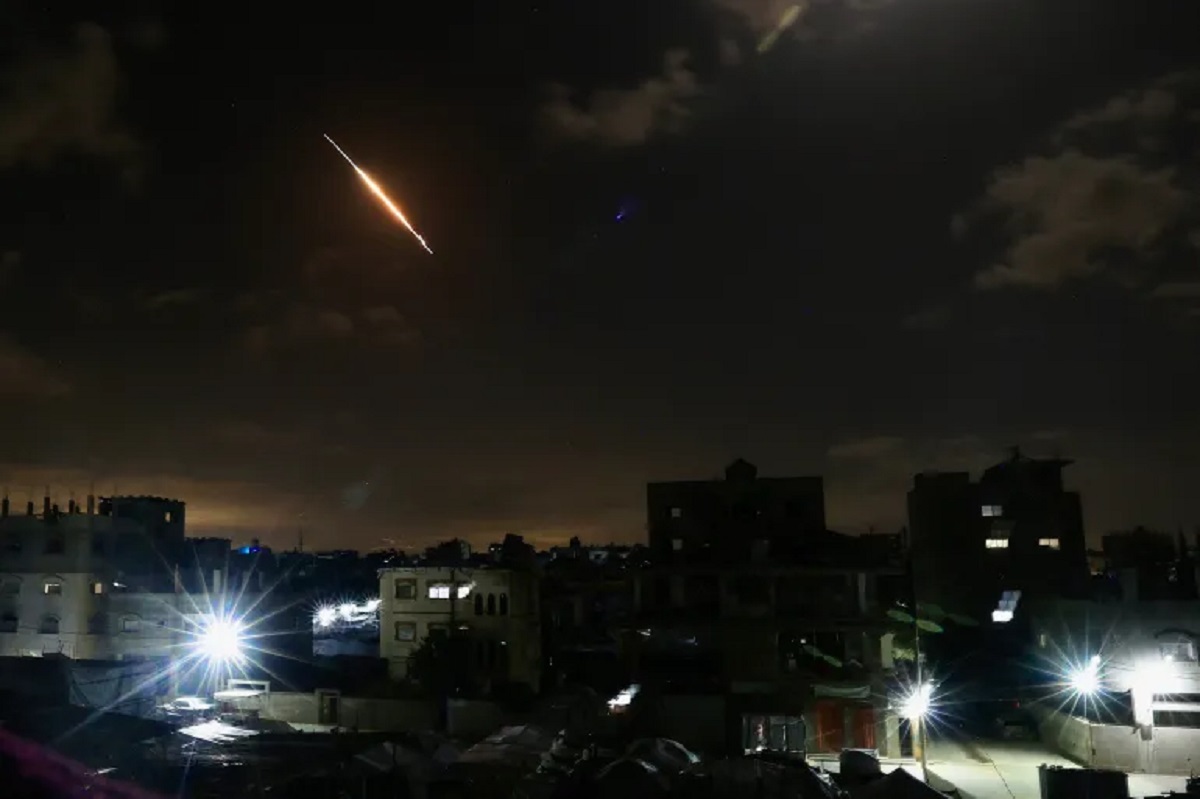
On Saturday, March 7, 2026, an Israeli airstrike in central Khan Younis, southern Gaza, killed a father and his young daughter, marking one of the latest casualties amid escalating Middle East tensions. Despite an October 2025 ceasefire, Israeli forces continue daily air, artillery, and naval operations across Gaza. The attacks have displaced nearly all of Gaza’s two million residents and intensified the humanitarian crisis, as thousands remain blocked from essential medical care. Observers note that global attention is currently focused on the US-Israeli conflict with Iran, while Gaza civilians continue to bear the brunt of ongoing violence.
Key Highlights
Father and daughter killed in Khan Younis, Gaza on March 7, 2026.
Additional civilian casualties include a wounded young girl and one other person.
Israeli army-affiliated militias advanced east of Gaza City amid heavy gunfire.
Rafah and Kerem Shalom border crossings remain partially closed, restricting aid and medical evacuation.
More than 72,000 Palestinians killed and over 171,000 injured since October 2023, per UN figures.
Nearly all of Gaza’s population displaced; region remains heavily dependent on humanitarian assistance.
What Happened: Facts, Dates, and Locations
Israeli forces conducted multiple air and artillery strikes in Gaza on March 7, targeting central Khan Younis and areas east of Gaza City. Palestinian Health Ministry officials reported that a father and daughter were killed in the early morning strike, with additional casualties occurring later in separate attacks. Israeli warplanes also struck locations near the Tuffah neighborhood, while the Israeli navy fired machineguns and shells toward Gaza’s coast. (Al Jazeera)
Militias affiliated with the Israeli army advanced east of Gaza City, where heavy gunfire was reported. Initial reports indicate a member of the Palestinian police was abducted. Humanitarian crossings such as Rafah and Kerem Shalom remain partially open, with strict restrictions on civilians and aid.
Public Reaction and Official Responses
Local residents expressed deep grief and frustration. Fatima Abu Khaled, a Khan Younis resident, said, “We have nowhere to hide. Every day brings fear and death to our streets.”
The Palestinian Health Ministry condemned the airstrikes, highlighting the urgent humanitarian need. Dr. Samir Hamdan, a Middle East conflict expert, noted, “Civilians in Gaza are facing unprecedented displacement and shortages, while international attention remains focused elsewhere.”
Media analysts believe the attacks exacerbate an already critical humanitarian situation, with hospitals operating beyond capacity and thousands waiting for essential medical care.
Why It Matters: Societal and Regional Impact
The ongoing strikes deepen humanitarian challenges, including shortages of food, water, and medicine. Human Rights Watch reported that Israeli restrictions have contributed to severe supply constraints in Gaza. The continued violence also impacts regional stability, increases refugee flows, and fuels political tensions between Israel, Palestine, and neighboring states.
Civilian casualties, particularly involving children, draw global attention and put pressure on international bodies to address humanitarian aid access and protect noncombatants in conflict zones.
Context: Past Similar Events
Since October 2023, Israeli military operations have resulted in more than 72,123 Palestinian deaths and 171,805 injuries in Gaza, according to UN data. In the West Bank, at least 1,094 Palestinians have been killed due to settler violence and military operations. These numbers reflect a pattern of recurring violence and civilian displacement, even amid declared ceasefires. (Wafa News)
Unique Angle: Displacement and Aid Restrictions
Nearly all of Gaza’s two million residents have experienced displacement, with limited access to healthcare and basic necessities. The recent partial opening of the Rafah crossing provided temporary relief, but humanitarian aid delivery remains insufficient. Analysts emphasize that international responses must prioritize civilian protection alongside geopolitical considerations.
What Happens Next
Analysts predict further military operations east of Gaza City, potentially increasing civilian casualties. Humanitarian organizations continue urging safe passage for aid and civilians trapped in conflict zones, emphasizing the urgency of addressing shortages of food, water, and medical supplies.
FAQs
1. Who were the civilians killed in Gaza on March 7? A father and his daughter were killed in Khan Younis during Israeli airstrikes.
2. Are border crossings open for humanitarian aid? Partially. Rafah and Kerem Shalom remain restricted.
3. How many Palestinians have died since October 2023? Over 72,000 in Gaza and 1,094 in the West Bank, according to UN figures.
4. Has the October 2025 ceasefire held? No, military strikes and shelling have continued despite the ceasefire.
5. How is the international community responding? Humanitarian organizations are advocating for aid access and civilian protection, though global focus is split due to the US-Israeli conflict with Iran.
Hello! I'm M Muzamil Shami, the founder and lead editor of Star Struck Times, your trusted source for trending news, entertainment scoops, celebrity gossip, sports highlights, and global headlines.
With a passion for storytelling and journalism, I created this platform to bring you breaking news, viral moments, and deep insights into the worlds of Bollywood, Hollywood, sports, politics, tech, and more — all in one place.