


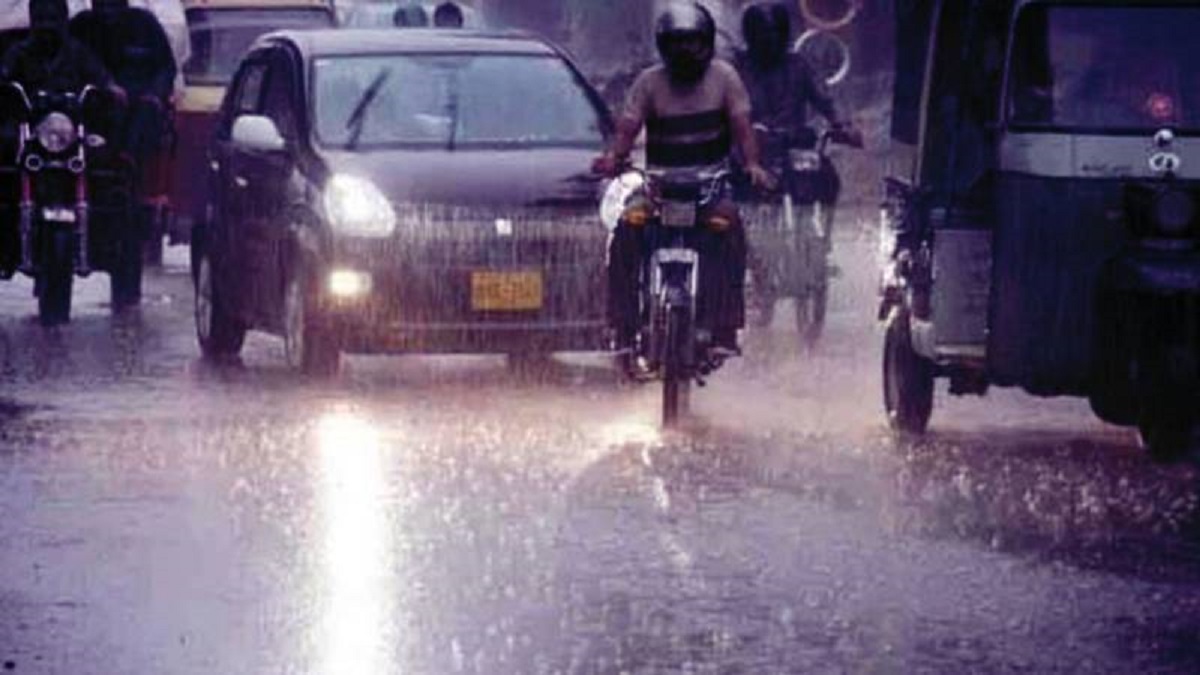
Deadly winter storms disrupt transport, power, and daily life across Pakistan as authorities race to respond amid mounting public concern.
Quetta, Pakistan — Star Struck Times
Heavy winter rains sweeping across Pakistan in December 2025 have left dozens dead, triggered severe traffic accidents, and disrupted power and transport networks nationwide. The impact has been most visible in Balochistan and parts of Punjab, where wet roads, landslides, and poor visibility caused fatal crashes and infrastructure damage. According to reports emerging this week from local authorities and national media, the weather system has intensified existing urban challenges, raising urgent questions about preparedness, road safety, and disaster response as winter deepens across the country.

Key Highlights
- Winter rains began around December 17, 2025
- At least 12 deaths reported, mostly from traffic accidents
- Balochistan and Punjab among the worst-hit regions
- Power outages disrupted major cities
- Authorities issued advisories and deployed emergency teams
What Sparked the Controversy?
Pakistan’s latest spell of winter rain began around December 17, 2025, when a strong western weather system entered the country, affecting Balochistan, Sindh, Punjab, and Khyber Pakhtunkhwa. Prolonged rainfall led to slippery highways, flooding of low-lying areas, and temporary closure of major routes.
In Balochistan, at least 12 people were killed in traffic accidents linked to rain-slick roads, according to provincial officials. Several vehicles reportedly skidded off highways connecting Quetta to Mastung and Kalat, areas already vulnerable to poor road conditions. Urban centers, including Lahore and Karachi, experienced power outages as rain disrupted electricity supply lines. The situation gained national attention after coverage by The Times of India, which highlighted the scale of fatalities and infrastructure strain across Pakistan.
How Fans and Social Media Reacted
Public reaction on social media platforms such as X (formerly Twitter) and Facebook has been mixed. Many users expressed grief for the victims and frustration over recurring winter-time accidents, while others criticized local administrations for inadequate road maintenance and emergency response.
Trending discussions focused on power outages, blocked highways, and delayed rescue operations. Some users defended authorities, citing extreme weather as an uncontrollable factor, while others called for stricter traffic controls during storms. Overall sentiment leaned toward concern and accountability, with citizens urging better forecasting communication and public safety measures during severe weather events.
Why This Story Matters
This episode matters because winter rainfall in Pakistan is no longer a minor seasonal inconvenience—it has become a recurring public safety issue. Each year, similar weather systems expose weaknesses in road infrastructure, emergency preparedness, and urban planning, particularly in underdeveloped regions.
From a cultural standpoint, winter travel is common due to weddings, trade, and intercity movement. When roads become hazardous without adequate warnings or closures, ordinary activities turn deadly. The human cost underscores how climate variability intersects with everyday life.
Industrially, transport and energy sectors face repeated disruptions. Power breakdowns during rain highlight the fragility of aging grids, especially in densely populated cities. Media analysts believe these incidents reflect a broader regional challenge where climate stress tests infrastructure that was not designed for frequent extreme weather.

At a national level, the situation reinforces the need for coordinated disaster management policies. Pakistan’s weather-related fatalities are not isolated incidents but part of a growing pattern that demands long-term planning rather than short-term fixes.
Related Developments or Past Incidents
Similar winter rain-related fatalities were reported in January 2023, when flash floods and road accidents claimed multiple lives in southern Punjab. Over the past five years, authorities have repeatedly announced safety campaigns during monsoon and winter seasons, with mixed results.
Neutral Analysis Paragraph
Authorities responded by deploying traffic police, rescue teams, and utility crews to affected districts. Official statements indicate that road conditions, vehicle speed, and visibility were key contributing factors. Weather advisories had been issued prior to the rainfall, but compliance varied across regions. Data from provincial disaster management authorities shows that accident rates typically increase during prolonged rain events, particularly on intercity highways.
What Happens Next?
Emergency services are expected to remain on high alert as intermittent rain continues through late December. Provincial governments may issue further travel advisories and temporary road closures. If weather conditions stabilize, disruptions could ease quickly; however, any additional rainfall may reignite safety concerns. A formal review of accident causes and infrastructure vulnerabilities is likely in the coming weeks.
FAQs
Q1: How many deaths have been reported due to Pakistan’s winter rains in 2025?
As of December 21, 2025, at least a dozen fatalities have been confirmed, primarily from traffic accidents in Balochistan. Officials caution that numbers may change as assessments continue.
Q2: Which areas were most affected by the winter rain system?
Balochistan faced the most severe impacts, while major cities such as Lahore and Karachi experienced power outages and traffic disruptions.
Q3: Are winter rains unusual in Pakistan?
Winter rains are common, but their intensity and associated fatalities have increased in recent years due to infrastructure strain and changing climate patterns.
Stay informed with Star Struck Times for verified updates on weather, public safety, and national developments. Follow us for timely news and in-depth analysis.
References / Further Reading
- The Times of India – Pakistan Weather Updates
- Dawn – Winter Rains in Pakistan
- Geo News – Flood and Traffic Reports
- The Express Tribune – Disaster Management Alerts
- Pakistan Meteorological Department
© 2025 Star Struck Times. All rights reserved.


I don’t think the title of your article matches the content lol. Just kidding, mainly because I had some doubts after reading the article.
I don’t think the title of your article matches the content lol. Just kidding, mainly because I had some doubts after reading the article.