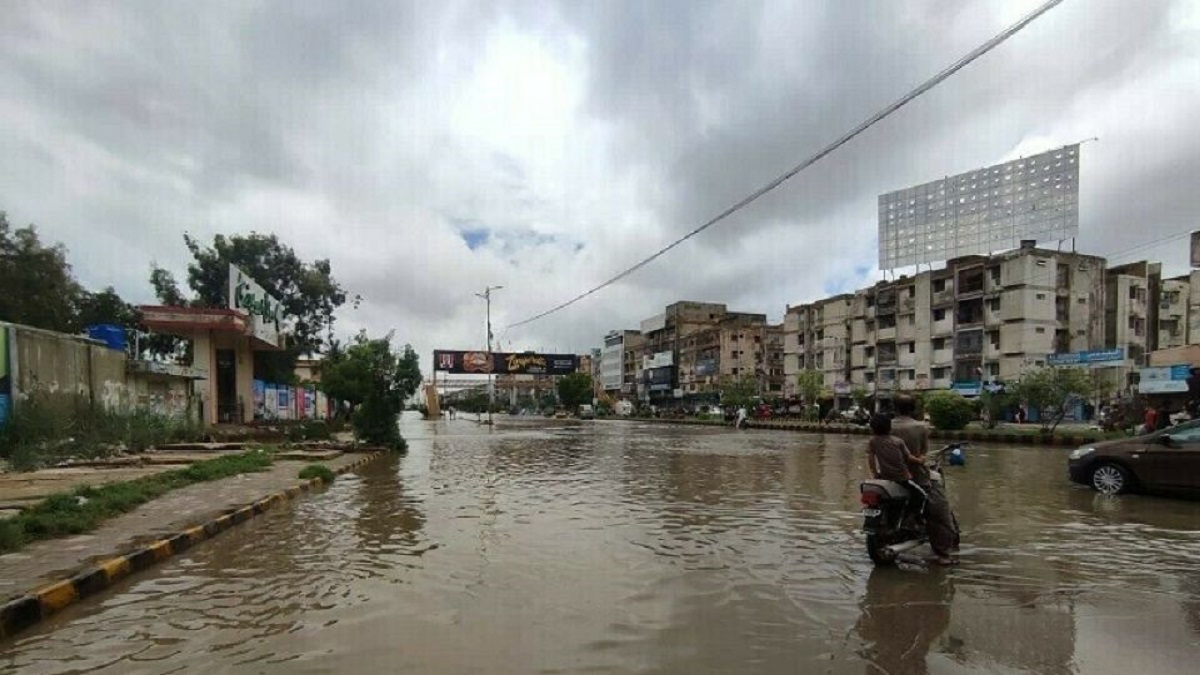
Karachi and broader Sindh province are on weather alert as a tropical weather system forming in the **Bay of Bengal is expected to traverse India and enter the Arabian Sea, bringing rain, thunderstorms, and shifts in weather conditions over the coming days. According to the Pakistan Meteorological Department (PMD) advisory on September 28, 2025, the low‑pressure area — currently over Saurashtra and Gujarat in India — is moving westward and could affect coastal Sindh, including Karachi, with light to moderate rainfall and atmospheric instability. Pakistan Today
This development comes amid ongoing seasonal weather variations in southern Pakistan, with meteorologists cautioning residents, fishermen, and local authorities to stay alert as conditions evolve. PMD and disaster management officials are actively monitoring the system for further changes.
Key Highlights
Tropical low‑pressure system from Bay of Bengal moving toward Arabian Sea.
Light to moderate rain and thunderstorms likely in coastal Sindh, including Karachi.
Sea conditions rough with squally winds; fishermen warned to stay ashore.
Humidity and temperature shifts forecast as system approaches.
Authorities and disaster agencies on alert with advisories in place.
What Happened: Tropical System Formation and Path
A well‑marked low‑pressure area developed over the Bay of Bengal and has since moved west across India toward the Arabian Sea. The Pakistan Meteorological Department (PMD) reports that the system currently lies over the Saurashtra region of Gujarat, India, about 340 kilometres southeast of Karachi and is moving in a west–southwest direction. Meteorologists project that it will emerge into the northeast Arabian Sea within a short period, where environmental conditions could intensify it into a depression.
Typically, such tropical systems draw increased moisture from the seas, altering local atmospheric conditions and bringing cloud formation, increased humidity, rain showers, and thunderstorms as they approach land. Past weather patterns have shown similar movement from the Bay of Bengal to the Arabian Sea, such as in earlier monsoon cycles. The Express Tribune
Public Reaction & Official Warnings
Local residents in Karachi have begun noticing changing weather, with humidity levels rising and heat giving way to cloud build‑up. One citizen in Clifton told Star Struck Times, “It feels sticky and overcast — we haven’t had a proper rain break, but this might finally bring some relief to the heat.” Another resident in Korangi added, “We hope this doesn’t cause flooding like last year — the roads barely dried before the next spell came.”
The PMD and Sindh Provincial Disaster Management Authority (PDMA) have issued advisories encouraging residents, especially fishermen, to avoid venturing into the deep Arabian Sea until conditions stabilise, citing rough‑to‑very‑rough sea conditions with squally winds between 45–55 km/h. PDMA_SINDH
An official spokesperson noted, “While we do not expect a major cyclonic event at this stage, the system will influence local weather patterns and could bring widespread rain and thunderstorms. Preparedness and monitoring remain critical.” This aligns with media analysts’ views that “systems of this nature can quickly evolve, and early readiness can significantly reduce risk to life and property.”
Why It Matters: Weather Impact on Sindh
Sindh, particularly Karachi, is highly sensitive to tropical and monsoon systems, which can rapidly affect everything from daily commutes to livelihood sectors like fishing and transport. Rainfall — even light to moderate — can reduce oppressive heat but also poses risks of urban flooding in low‑lying areas, as highlighted in past PMD forecasts for the region. Geo News
The agricultural sector across Sindh also tracks such systems closely, as rainfall variability directly impacts crop patterns, soil moisture, and water availability in the dry season. Media analysts believe that early seasonal shifts due to tropical systems can signal broader weather pattern changes across South Asia.
Context: Historical Weather Patterns
Previous years have seen similar systems develop in the Bay of Bengal and traverse to the Arabian Sea, influencing Pakistan’s weather. For example, past deep depressions and cyclonic storms have resulted in heavy rain, thunderstorms, and occasional rough sea conditions along the Sindh coast.
Although not all systems make direct landfall, their peripheral effects — such as enhanced moisture, humidity, and rainfall — frequently impact Karachi and adjacent districts. Understanding these patterns helps authorities and residents prepare for seasonal variability.
What Happens Next
Residents of Karachi and Sindh should expect variable weather conditions over the next several days, with light to moderate rain showers, thunderstorms, and elevated humidity likely. The PMD will continue to issue updates and warnings, and authorities urge heightened vigilance along coastal areas.
FAQs
Q: Will the tropical system become a cyclone? A: Current forecasts suggest the low‑pressure system may intensify into a depression once over the Arabian Sea, but major cyclonic development affecting Sindh directly is not immediately expected. Official agencies continue to monitor conditions closely.
Q: Should people in Karachi prepare for flooding? A: Light to moderate rain may occur, but authorities have not issued a flood warning at this stage. Residents should stay informed via PMD updates and prepare for localized water accumulation in low‑lying areas.
Q: Is it safe for fishing boats at sea? A: No. Rough to very rough sea conditions are forecast, and fishermen are advised not to venture into deep waters until further notice.
Q: How long will the system affect weather in Sindh? A: Effects such as humidity and rain showers are expected over the next few days while the system moves westward. PMD will update forecasts as conditions evolve.
Stay Safe & Informed: Keep up with the latest updates on the Karachi tropical system weather. Follow Star Struck Times for real-time forecasts, advisories, and safety tips to protect yourself and your family during upcoming rains and thunderstorms.
Hello! I'm M Muzamil Shami, the founder and lead editor of Star Struck Times, your trusted source for trending news, entertainment scoops, celebrity gossip, sports highlights, and global headlines.
With a passion for storytelling and journalism, I created this platform to bring you breaking news, viral moments, and deep insights into the worlds of Bollywood, Hollywood, sports, politics, tech, and more — all in one place.