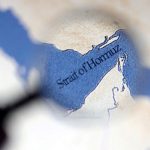
Commercial shipping near the Strait of Hormuz faces heightened security concerns amid regional tensions.
October 14, 2026
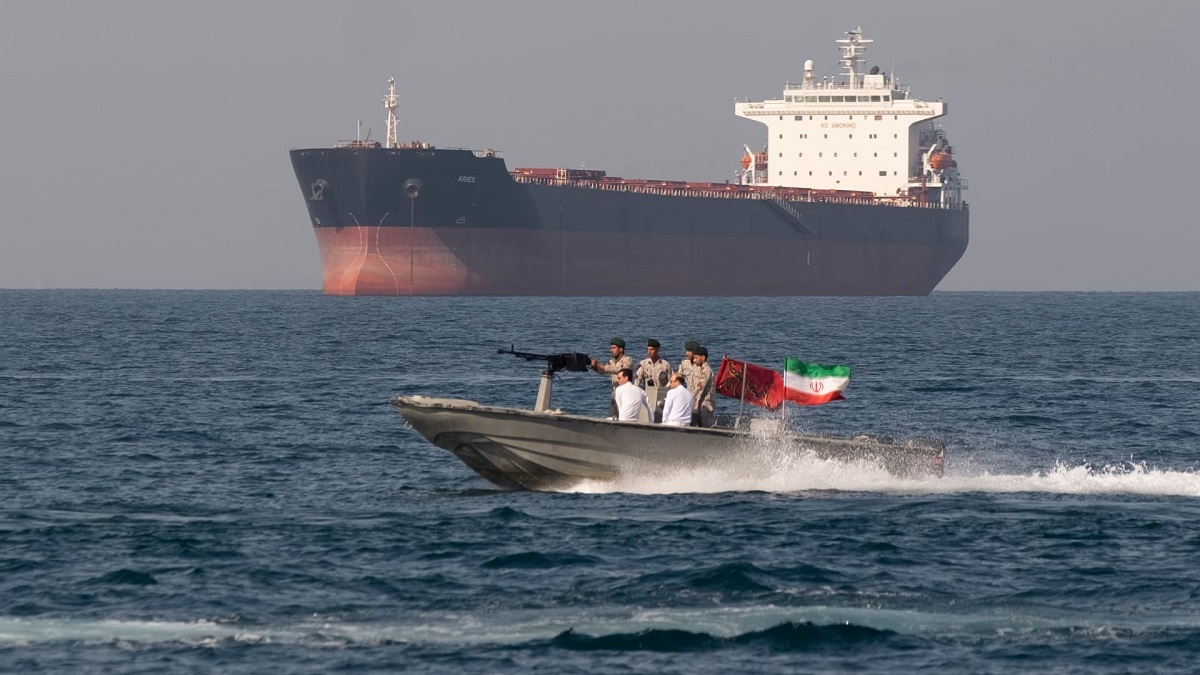
DUBAI, October 14, 2026 — Iran is changing its tactics against commercial shipping in and around the Strait of Hormuz, with attacks increasing and operations potentially extending into nearby waters, according to a Reuters report citing two senior Iranian officials and maritime security sources. The reported shift comes as the confrontation with the United States puts pressure on a vital energy trade route and keeps global oil markets on edge.
The Reuters report said the new tactics began about 10 days ago and included changes in the type and pace of attacks against vessels Iran considers to be violating its restrictions. The officials told Reuters that maintaining pressure on oil prices and influencing the political climate ahead of the US midterm elections were among Tehran’s objectives. Those claims reflect the officials’ account of Iran’s intentions; they should not be treated as independently established motives.
The reported change matters beyond the strait itself. Maritime security reporting cited by Reuters indicates that threats and incidents have also affected waters near Qatar and the United Arab Emirates, raising questions about how far the risk to commercial vessels could extend.
Key points
Reuters reports that Iran has changed its tactics against vessels it considers to be violating its restrictions.
Maritime security sources have reported a rise in incidents involving commercial ships.
The reported risk may extend beyond the Strait of Hormuz into nearby Gulf waters.
The strait carried about one-fifth of global oil and liquefied natural gas trade before the conflict.
Oil prices and shipping costs remain exposed to further disruption.
Why the Strait of Hormuz matters to global oil supplies
Before the conflict, the Strait of Hormuz carried roughly one-fifth of global oil and liquefied natural gas trade, making it one of the world’s most strategically important maritime chokepoints. Disruptions there can affect not only crude oil shipments but also fuel costs, shipping insurance and the delivery schedules of energy cargoes.
The impact is already visible in energy markets. Reuters reported on October 14 that Brent crude was approaching $106.27 a barrel, while US crude rose to $94.70. Geopolitical tensions and concerns about energy supplies were among the factors weighing on market sentiment. These prices are a snapshot from that report, not a guarantee of current trading levels.
The crisis also illustrates an important distinction: a waterway can remain open to some traffic while becoming much more dangerous and costly to use. Reuters reported that some oil continued to pass through Hormuz despite a sharp reduction in vessel movements. For energy buyers, the uncertainty surrounding safe passage can be consequential even without a complete shutdown.
What has changed in Iran’s reported approach?
One detail in the Reuters report is the reported use of unarmed spotters in small boats to identify potential targets, according to a US military official speaking anonymously. The official said this approach followed US strikes that damaged Iran’s radar capabilities. The account offers an indication of how maritime operations may be changing, but it does not establish that every recent attack used this method.
The geographic dimension is also significant. If threats and attacks continue beyond the strait into the Gulf of Oman and waters near Gulf states, commercial operators may have to reassess risks across a wider area rather than concentrate only on the narrow passage between Iran and Oman. Reuters cited maritime security reporting suggesting that such an expansion may already be under way.
Separately, the Associated Press reported on October 13 that commercial vessels involved in ship-to-ship oil transfers were among the targets of concern around Hormuz. It also cited the UK Maritime Trade Operations centre’s reporting of projectile incidents involving vessels. These reports add context to the evolving shipping threat, although responsibility for individual incidents should not be assumed without reliable attribution.
What to watch next
The immediate questions are whether attacks continue at the elevated pace reported by maritime sources, whether the risk spreads farther into surrounding waters, and how shipping companies and energy markets respond. Developments in US-Iran relations will also matter, particularly if maritime security becomes a greater source of pressure between the two governments.
For countries dependent on imported energy, the consequences could extend beyond oil prices to freight costs, insurance premiums and the timing of fuel deliveries. The scale of any further impact will depend on how shipping activity develops and whether diplomatic or security measures reduce the threat.
The key uncertainty is not simply whether the Strait of Hormuz is open. It is whether commercial vessels can continue using it safely and predictably. That distinction will help determine how much the latest escalation affects global energy supplies.
Sources: Reuters, October 14, 2026; Associated Press, October 13, 2026; Reuters market report, October 14, 2026.
Hello! I'm M Muzamil Shami, the founder and lead editor of Star Struck Times, your trusted source for trending news, entertainment scoops, celebrity gossip, sports highlights, and global headlines.
With a passion for storytelling and journalism, I created this platform to bring you breaking news, viral moments, and deep insights into the worlds of Bollywood, Hollywood, sports, politics, tech, and more — all in one place.