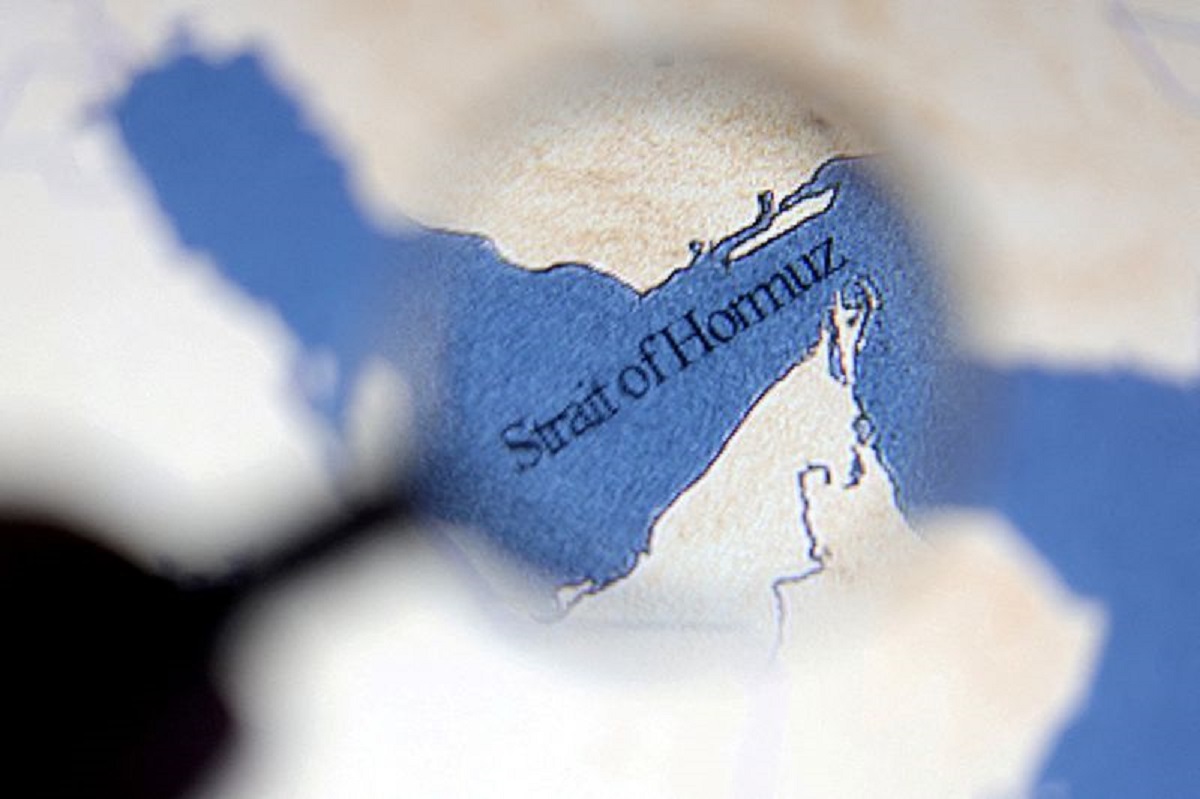
New York, United States, April 8, 2026, 6:30 PM — Star Struck Times
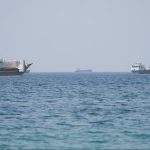
The Strait of Hormuz crisis took a dramatic turn today as China and Russia vetoed a United Nations Security Council resolution aimed at reopening the vital global oil route. The proposal, backed by Western nations and reportedly supported by Bahrain, sought immediate international intervention to stabilize maritime traffic. The move underscores escalating geopolitical tensions and raises urgent concerns over global energy security, shipping disruptions, and the risk of a wider Middle East conflict.
Internal Link Suggestion: Visit our World News section for related updates.
Key Highlights
- China and Russia veto UN resolution to reopen Strait of Hormuz
- The proposal aimed to restore global oil flow stability
- Western nations pushed for urgent intervention amid rising tensions
- Shipping disruptions threaten global oil prices and trade routes
- Analysts warn of long-term geopolitical and economic consequences
What Happened at the UN Security Council?
On April 8, 2026, the United Nations Security Council convened for an emergency session to address the escalating situation in the Strait of Hormuz — one of the world’s most critical oil transit chokepoints.

The resolution, backed by the United States, the United Kingdom, and Gulf allies, called for:
- Immediate reopening of the Strait
- Deployment of international monitoring forces
- Diplomatic pressure on regional actors
However, China and Russia exercised their veto power, effectively blocking the resolution. According to reports from Bloomberg and France24, both nations argued that the proposal was “imbalanced” and risked escalating tensions further rather than resolving the crisis.
A senior UN diplomat, speaking anonymously, stated:
“This veto reflects deeper geopolitical divisions rather than just disagreement over maritime security.”
Global Reaction: Tensions Rise Across Continents
The veto has sparked immediate backlash from Western governments and concern among global markets.
Political Response
- The United States criticized the veto as “irresponsible,” warning it could embolden destabilizing actions in the region.
- European leaders expressed frustration, calling for alternative diplomatic channels.
- Gulf nations, including Bahrain, voiced disappointment, emphasizing the economic stakes tied to uninterrupted oil flow.
Public and Market Reaction
Global markets reacted swiftly:
- Oil prices surged within hours of the announcement
- Shipping companies began rerouting vessels, increasing costs
- Social media saw a wave of concern from industry experts and citizens alike
One market analyst tweeted:
“This isn’t just a regional issue anymore — it’s a global economic pressure point.”
Why the Strait of Hormuz Matters More Than Ever
The Strait of Hormuz is not just another maritime route — it is the lifeline of global energy supply.

- Roughly 20% of the world’s oil passes through this narrow passage
- It connects major oil producers in the Middle East to global markets
- Any disruption directly impacts fuel prices worldwide
According to energy analysts cited by Dawn News, prolonged instability could lead to:
- Increased inflation globally
- Supply chain disruptions
- Strategic shifts in energy sourcing
Expert Insight
Energy strategist Dr. Khalid Mansoor explains:
“What we’re witnessing is a classic geopolitical choke point scenario — control over Hormuz equals leverage over global energy markets.”
A Familiar Pattern: Historical Context Behind the Crisis
This is not the first time the Strait of Hormuz has become a flashpoint.
Historically:
- The Iran-Iraq War in the 1980s saw attacks on oil tankers
- Periodic tensions between Iran and Western nations have repeatedly threatened closure
- Military buildups in the region have often followed diplomatic breakdowns
What makes the 2026 crisis unique is the direct involvement of global superpowers at the UN level, signaling a more polarized international landscape.
The Hidden Angle: A Shift Toward a Multipolar World
Beyond the immediate crisis, this veto signals a deeper transformation in global politics.
China and Russia’s coordinated action reflects:
- Growing resistance to Western-led interventions
- A push toward a multipolar world order
- Strategic alignment on key geopolitical issues
This could redefine how future international crises are handled — or blocked — within the UN system.
What Happens Next?
With the resolution vetoed, the path forward remains uncertain.
Possible next steps include:
- Emergency diplomatic talks outside the UN framework
- Regional alliances taking independent action
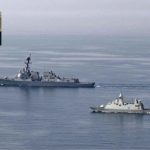
- Increased military presence in the Gulf
Experts warn that without swift de-escalation, the situation could spiral into a broader conflict affecting not just the Middle East, but the global economy.
FAQs: Strait of Hormuz Crisis Explained
1. Why is the Strait of Hormuz so important?
It handles about 20% of global oil shipments, making it crucial for energy supply worldwide.
2. Why did China and Russia veto the resolution?
They argued the proposal was biased and could escalate tensions rather than resolve them.
3. What impact will this have on oil prices?
Oil prices are likely to rise due to supply uncertainty and shipping disruptions.
4. Could this lead to a war?
While not certain, the risk of escalation increases without diplomatic resolution.
5. Are there alternative routes for oil transport?
Yes, but they are limited and often more expensive, making Hormuz irreplaceable in the short term.
Sources
- Bloomberg — China and Russia veto Security Council resolution
- Dawn — UN resolution on Hormuz blocked
- France24 — Middle East live updates
- Tribune — UNSC vote developments