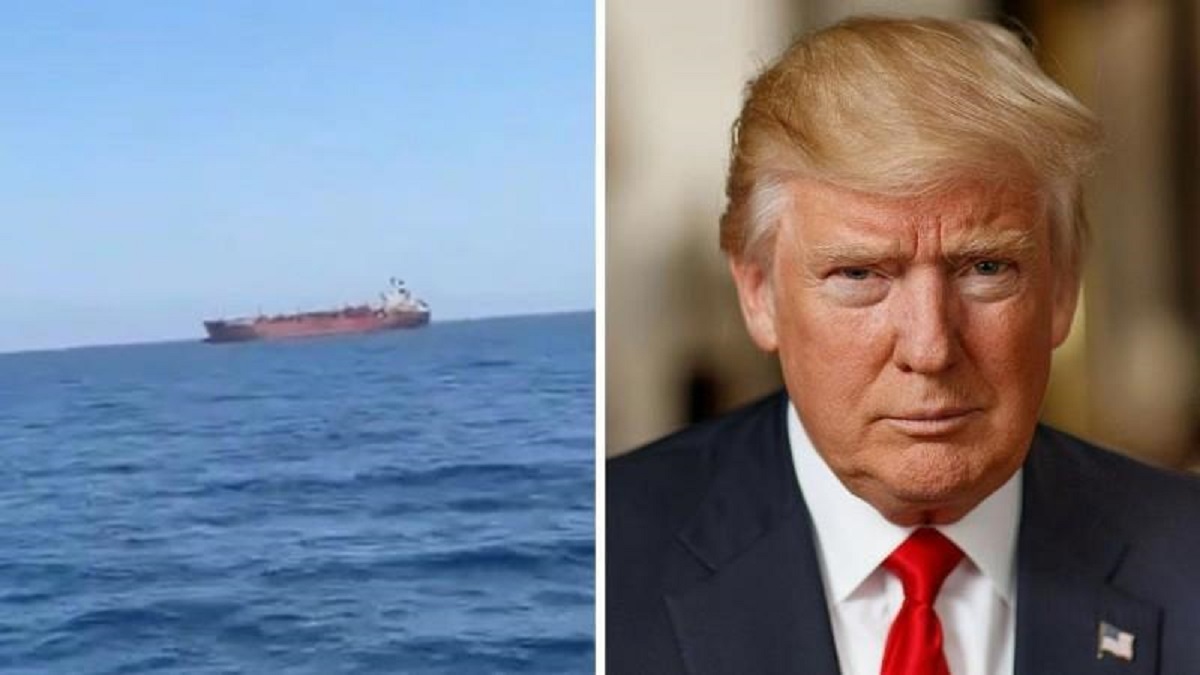
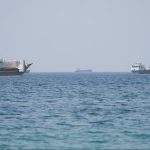
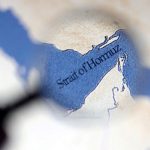
Oil tankers navigate the Strait of Hormuz during escalating geopolitical tensions in 2026
Washington, United States — March 31, 2026, 16:40 GMT — Star Struck Times
Former U.S. President Donald Trump has sparked global controversy after urging allied nations such as the United Kingdom to “go to the Strait of Hormuz and just take it” if they are struggling to secure fuel supplies. The statement comes amid escalating tensions in the Middle East and renewed fears over energy security after Iran’s effective blockade of the critical maritime chokepoint. The remarks have triggered diplomatic unease, market volatility, and debate over the future of Western alliances. For more geopolitical updates, visit our World News section.
Key Highlights
Trump told allies to “take fuel” from the Strait of Hormuz rather than rely on U.S. support
The strait handles nearly 20% of global oil supply, making it the world’s most critical energy corridor
European leaders have not officially responded, but diplomatic channels are reportedly active
Oil prices surged following recent maritime attacks and escalating war tensions
Analysts warn Trump’s rhetoric could strain NATO unity and destabilize global markets
What Exactly Trump Said — And Why It’s Explosive
On March 31, 2026, Trump posted on his social platform urging countries affected by fuel shortages to secure their own access to energy routes instead of depending on Washington. He criticized allies for not supporting recent U.S.-aligned military actions against Iran and suggested they should either purchase American oil or assert control over the Strait themselves.
The Strait of Hormuz is not just another shipping lane—it is the single most important chokepoint in the global energy system, with roughly one in five barrels of oil consumed worldwide passing through it.
Diplomatically, such statements are highly sensitive. Encouraging allied nations to “take” control of an international waterway could be interpreted as endorsing military escalation or violating maritime law—something international law experts say would risk direct conflict with Iran.
Rising Tensions in the Gulf After Maritime Attacks
Trump’s comments came just hours after reports of drone attacks on oil tankers in the Gulf region, intensifying fears that the conflict could spread beyond land operations.
Security analysts say these attacks signal a strategic shift toward economic warfare—targeting shipping routes rather than territorial control.
“When tankers become targets, it’s not just regional security at stake—it’s the entire global supply chain,” said energy risk consultant Dr. Aaron Feldman in a televised briefing.
This escalation has forced insurance companies to increase maritime premiums and prompted several shipping firms to temporarily reroute vessels away from the strait, further tightening supply.
Why the Strait of Hormuz Matters More Than Ever
The Strait of Hormuz connects the Persian Gulf to the Arabian Sea and is the only sea route for oil exports from major producers including Saudi Arabia, Iraq, Kuwait, and the UAE. Around 20 million barrels of oil transit through the corridor daily under normal conditions.
Without Hormuz, global energy logistics collapse into a bottleneck:
Asia relies on the strait for over 60% of its imported crude
Europe faces severe jet fuel shortages if shipping halts
Strategic petroleum reserves can only offset shortages for limited periods
This explains why even rhetorical threats involving the strait have immediate effects on financial markets and oil futures.
Diplomatic Fallout and Global Reaction
European leaders have so far avoided public confrontation but are reportedly coordinating a joint response through NATO and EU channels. Privately, diplomats described Trump’s language as “unhelpful” and potentially destabilizing, according to officials cited by Reuters.
Public reaction has been more direct. Social media users criticized the remarks as reckless, while some conservative commentators defended the statement as a continuation of Trump’s long-standing “America First” doctrine.
“The implication that allies should seize control of Hormuz is diplomatically extraordinary. It undermines decades of cooperative maritime security policy.”
A Shift in U.S. Foreign Policy Messaging?
Trump’s rhetoric reflects a broader shift away from multilateral security guarantees toward transactional alliances. During his presidency, he repeatedly demanded NATO members increase defense spending and reduce reliance on American military power.
This latest statement reinforces that strategic posture—placing the burden of global security on regional or allied actors rather than Washington.
From an energy perspective, the message also aligns with U.S. economic interests. Encouraging allies to purchase American oil instead of Middle Eastern supplies could boost U.S. exports and strengthen domestic energy producers.
The Unique Angle: Energy Security as a Political Weapon
What makes this moment historically significant is not just the comment itself but the broader transformation of energy routes into geopolitical leverage.
In past conflicts, oil was the objective. Today, control of shipping routes and chokepoints has become the primary pressure tool. Analysts describe this as the “weaponization of maritime geography”—a shift from resource wars to logistics wars.
This trend mirrors earlier disruptions in global supply chains during the pandemic and underscores how modern economies are vulnerable not only to shortages but to strategic bottlenecks.
What Happens Next
The immediate future hinges on three factors:
Whether Iran maintains pressure on shipping lanes
Whether Western nations form a multinational naval coalition
Whether diplomatic channels can reopen negotiations before military escalation becomes unavoidable
Energy markets will likely remain volatile in the short term, while NATO faces one of its most delicate diplomatic balancing acts in years. Any miscalculation in Hormuz could rapidly escalate into a wider regional war or trigger a global recession driven by oil price shocks.
FAQs
Why is the Strait of Hormuz so important?
Because nearly 20% of the world’s oil supply passes through it, making it the most critical maritime energy route globally.
What did Trump mean by “just take it”?
He suggested that countries dependent on Hormuz for fuel should secure their own access rather than rely on U.S. military intervention.
Has any country responded officially?
As of now, European governments have not issued formal statements but are engaging through diplomatic channels.
Could allies legally seize the strait?
No. The strait is governed by international maritime law, and any attempt to seize control would likely be considered an act of war.
How are global markets reacting?
Oil prices have risen sharply, while shipping insurance costs and freight rates have surged amid fears of further attacks.
Sources
Reuters – Trump urges allies to secure Strait of Hormuz
The Guardian – Tanker drone attack raises oil spill fears
U.S. Energy Information Administration – Hormuz energy transit data
ITV News – Trump comments on UK and Strait control
Hello! I'm M Muzamil Shami, the founder and lead editor of Star Struck Times, your trusted source for trending news, entertainment scoops, celebrity gossip, sports highlights, and global headlines.
With a passion for storytelling and journalism, I created this platform to bring you breaking news, viral moments, and deep insights into the worlds of Bollywood, Hollywood, sports, politics, tech, and more — all in one place.