KARACHI, Pakistan – Star Struck Times
Introduction
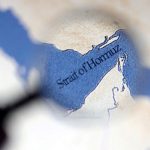
The Strait of Hormuz is one of the most strategically important waterways on the planet. Located between Iran and Oman, the narrow passage connects the Persian Gulf to the Gulf of Oman and the Arabian Sea.
Every day, millions of barrels of oil pass through this vital route, making it a key artery for global energy supplies. Because of its importance, any conflict or disruption in the Strait of Hormuz can quickly impact oil prices, global markets, and international trade.

Key Facts About the Strait of Hormuz
• The strait connects the Persian Gulf to international waters
• Around 20% of the world’s oil supply moves through this route
• Major oil producers rely on the passage to export energy worldwide
• Military tensions in the region often raise global security concerns
Where Is the Strait of Hormuz?
The Strait of Hormuz lies between the southern coast of Iran and the northern coast of Oman.
It serves as the only sea passage from the Persian Gulf to the open ocean, making it essential for countries such as:
- Saudi Arabia
- United Arab Emirates
- Kuwait
- Iraq
These nations ship large amounts of oil through the strait to global markets.
Why the Strait of Hormuz Is So Important
The Strait of Hormuz is often described as the world’s most critical oil chokepoint.
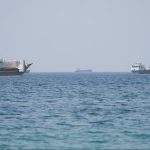
Oil tankers carrying crude oil and natural gas pass through the narrow channel every day on their way to major economies in Asia, Europe, and North America.
Because the route is so narrow, even small disruptions can delay shipments and cause oil prices to rise globally.

What Happens If the Strait of Hormuz Is Blocked?
If shipping through the Strait of Hormuz were blocked or disrupted, the consequences could be significant.
Possible impacts include:
• Sharp increases in global oil prices
• Disruptions in energy supplies to major economies
• Rising shipping and transportation costs
• Increased geopolitical tensions in the region
This is why governments and military forces closely monitor the waterway.
Rising Security Concerns in the Region
Over the years, tensions in the Middle East have occasionally threatened shipping in the Strait of Hormuz.
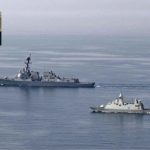
Countries such as the United States and regional allies often maintain a strong naval presence to ensure safe passage for commercial vessels.
Security experts say protecting this route is essential for global economic stability.
Why the World Watches the Strait Closely
Because so much of the world’s energy supply passes through the Strait of Hormuz, any news about attacks, conflicts, or blockades immediately draws global attention.
Governments, energy companies, and financial markets all monitor developments in the region to anticipate possible disruptions to oil supplies.
FAQs
What is the Strait of Hormuz?
The Strait of Hormuz is a narrow waterway connecting the Persian Gulf to the Gulf of Oman and is one of the world’s most important shipping routes.
Why is the Strait of Hormuz important for oil?
About one-fifth of the world’s oil supply passes through this route every day.
Which countries rely on the Strait of Hormuz?
Major oil exporters such as Saudi Arabia, the United Arab Emirates, Kuwait, and Iraq rely on the strait to ship energy to global markets.
Can the Strait of Hormuz affect global oil prices?
Yes. Any disruption to shipping in the strait can quickly increase oil prices and impact international markets.
Sources
• BBC
• CNN
• Reuters