U.S. naval forces intercept a vessel linked to Venezuelan oil exports amid heightened sanctions enforcement.
As U.S.–Venezuela maritime tensions rise, the latest vessel seizure signals a tougher sanctions strategy with global oil implications.
Washington, United States — Star Struck Times
Key Highlights
The seizure occurred on December 21, 2025, in Caribbean waters
It marks the second such incident this month
The vessel was allegedly linked to sanctioned oil exports
U.S. officials cited maritime security authority
Analysts warn of geopolitical and energy-market implications
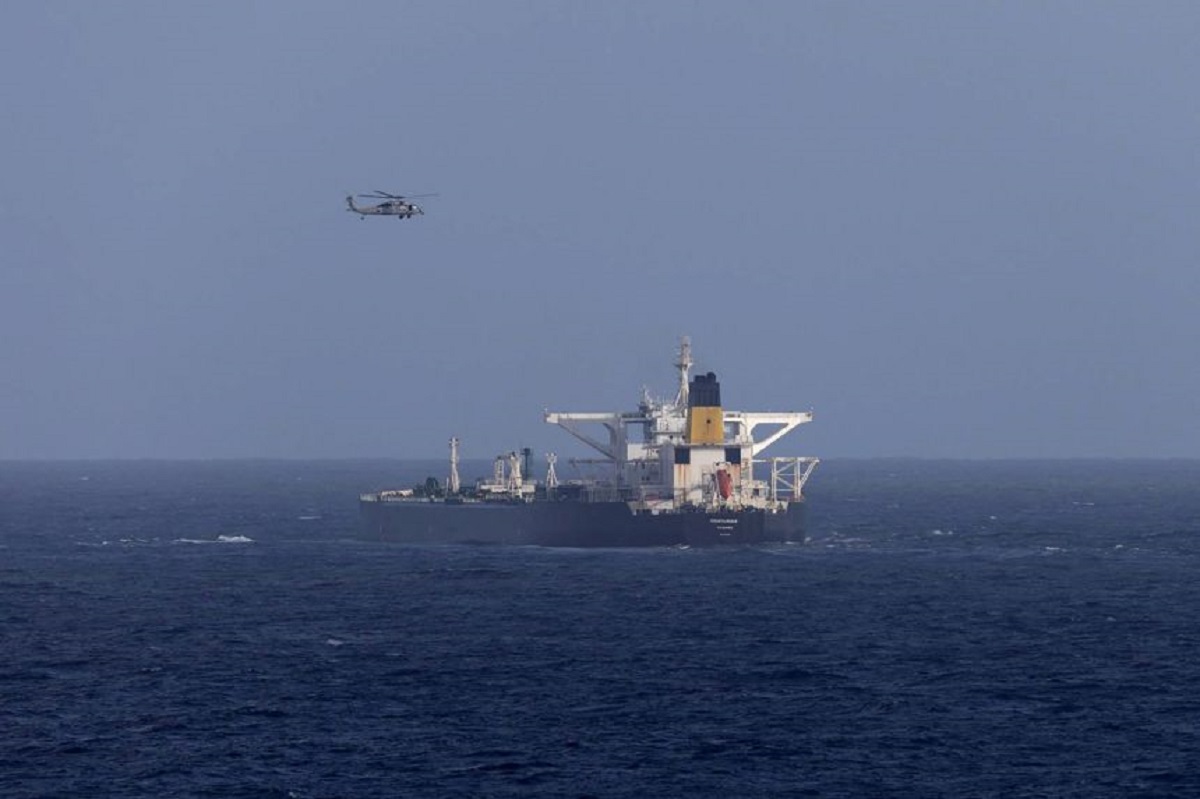
The United States has seized another vessel off the coast of Venezuela, intensifying pressure on Caracas under former President Donald Trump’s renewed sanctions strategy. The incident, reported on December 22, 2025, occurred in Caribbean waters and involved a tanker allegedly linked to sanctioned Venezuelan oil exports. The move matters because it sharpens U.S.–Venezuela maritime tensions at a time of fragile global energy markets. For Washington, it signals enforcement. For Caracas, it raises economic and diplomatic stakes with potential ripple effects beyond the region.
What Sparked the Controversy?
U.S. military forces intercepted and seized a commercial vessel operating near Venezuelan territorial waters earlier this week, according to officials cited by 9News. The tanker was suspected of transporting crude oil connected to Venezuela’s state-controlled energy sector, which remains under extensive U.S. sanctions.
The seizure reportedly took place on December 21, 2025, in the Caribbean Sea, a region that has become increasingly sensitive due to enforcement actions targeting sanctioned shipping routes. U.S. officials indicated that the vessel had previously changed registration and shipping identifiers — a tactic often used to evade sanctions.
This incident follows a similar vessel interception earlier in the month, underscoring a broader pattern rather than an isolated enforcement action. According to U.S. defense sources, the operation was conducted under existing maritime security authorities and coordinated with sanctions enforcement agencies.
How Fans and Social Media Reacted
Public reaction has been sharply divided. Supporters of tougher sanctions argue the seizure demonstrates credibility in U.S. foreign policy and sends a clear warning to companies attempting to bypass restrictions. On social media platforms and political forums, many praised the move as “long overdue enforcement.”
Critics, however, expressed concern over escalation. Analysts, commentators, and energy-sector observers warned that aggressive maritime actions could heighten regional instability and invite retaliation. The general sentiment reflects polarization: approval among sanctions advocates and unease among those worried about global oil prices and diplomatic fallout. Trending discussions focused on energy security, international law, and U.S. interventionism.
Why This Story Matters
This seizure matters because it sits at the intersection of geopolitics, energy markets, and international law. Venezuela holds some of the world’s largest proven oil reserves, and any disruption to its exports — even limited — can influence global pricing expectations.
From a policy standpoint, the action reinforces the Trump administration’s long-standing position that economic pressure remains the primary tool for forcing political change in Caracas. Media analysts believe the strategy is designed to demonstrate enforcement seriousness rather than symbolic condemnation.
Culturally and politically, the move also resonates domestically in the United States, where sanctions policy toward Venezuela has remained a bipartisan pressure point. For regional actors in Latin America, it signals that U.S. maritime oversight in the Caribbean is expanding, not retreating.
On a broader scale, the incident highlights how sanctions enforcement is evolving — shifting from financial controls to physical interdiction. This approach raises questions about precedent, especially as other sanctioned states watch closely.
Neutral Analysis Paragraph: From a journalistic standpoint, the vessel seizure represents a measurable escalation in sanctions enforcement rather than a policy reversal. It aligns with prior U.S. actions while increasing operational visibility. No immediate military confrontation was reported, and officials emphasized legal authority and compliance mechanisms rather than punitive intent.
Related Developments or Past Incidents
The United States has previously seized or redirected vessels linked to sanctioned oil shipments, including actions involving Iran and North Korea. In Venezuela’s case, similar incidents in 2020 and 2023 targeted shipping networks accused of masking cargo origins. These patterns suggest a consistent enforcement model rather than a single-response event.
For broader context on international political developments, readers can explore our World News section.
What Happens Next?
U.S. officials are expected to continue monitoring shipping routes connected to Venezuelan exports. Energy companies operating in the region may face increased scrutiny, while Caracas could pursue diplomatic protests or alternative export channels. Historically, such incidents generate short-term tension before settling into prolonged enforcement cycles. Whether this latest seizure leads to negotiations or further escalation remains uncertain, but sustained pressure appears likely.
FAQs
Why did the U.S. seize a vessel near Venezuela?
The vessel was suspected of transporting oil linked to sanctioned Venezuelan entities. U.S. authorities cited sanctions enforcement and maritime security laws as the basis for the seizure.
Does this affect global oil prices?
While a single seizure has limited immediate impact, repeated enforcement actions can influence market sentiment and contribute to price volatility over time.
Is this the first such incident?
No. The U.S. has previously seized or redirected vessels connected to sanctioned oil exports from Venezuela and other countries.
Stay informed on global power shifts and breaking international news. Follow Star Struck Times for timely analysis and verified updates that explain not just what happened — but why it matters.
Hello! I'm M Muzamil Shami, the founder and lead editor of Star Struck Times, your trusted source for trending news, entertainment scoops, celebrity gossip, sports highlights, and global headlines.
With a passion for storytelling and journalism, I created this platform to bring you breaking news, viral moments, and deep insights into the worlds of Bollywood, Hollywood, sports, politics, tech, and more — all in one place.









Your article helped me a lot, is there any more related content? Thanks!