RIYADH, Saudi Arabia | October 11, 2026
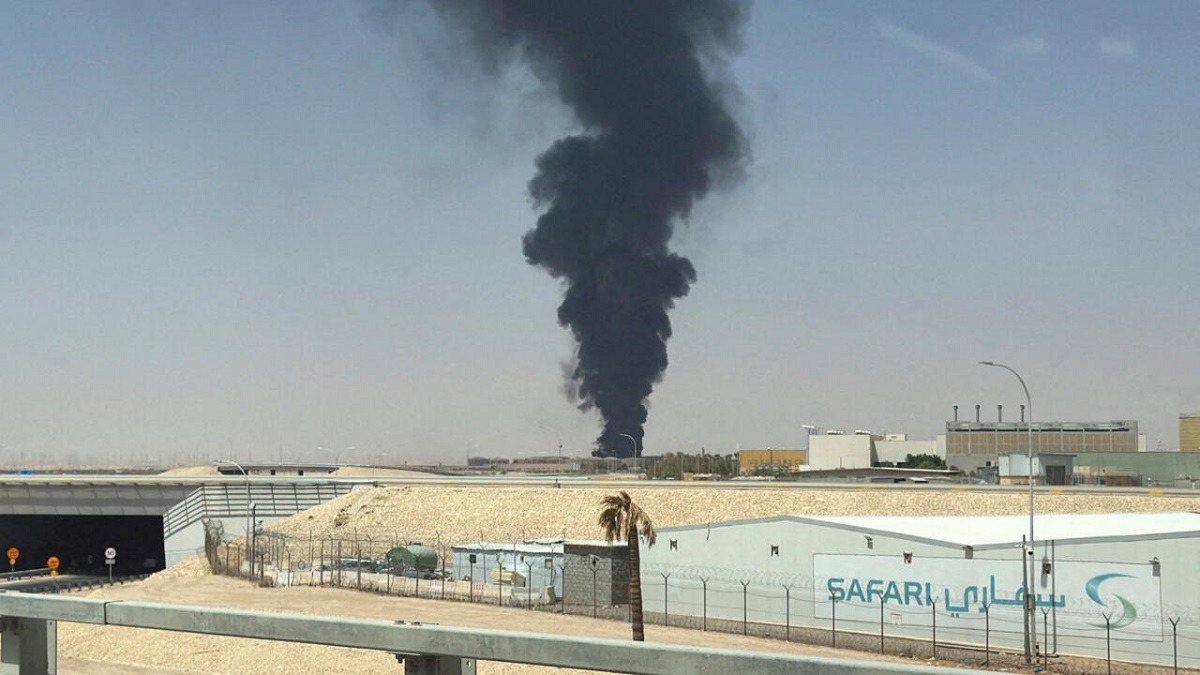
Saudi Arabia’s King Khalid International Airport in Riyadh was struck for a second consecutive day on Sunday, October 11, after a projectile hit a passenger terminal, sparked a fire and injured people, according to Saudi authorities. The latest incident followed a deadly attack on Saturday that killed 13 people and wounded more than 300, deepening concerns about aviation safety and the escalating conflict involving Yemen’s Houthi movement.
Key Points
- A projectile struck Terminal 4 at Riyadh’s King Khalid International Airport on Sunday, causing a fire and injuries.
- Saturday’s attack killed 13 people and injured more than 300, according to the latest reporting.
- Saudi authorities said air defences intercepted a cruise missile near the airport.
- The Houthis claimed responsibility for Saturday’s deadly strike and reported attacks on other Saudi targets.
- The repeated attacks have heightened concerns about airport security, flight disruption and a wider regional escalation.
Second Strike Raises Airport Security Concerns
The Saudi-led coalition fighting in Yemen said an “unidentified projectile” targeted Terminal 4 at Riyadh airport on Sunday, setting off a fire. Saudi civil aviation authorities confirmed that people were injured but did not immediately specify the number of casualties. Officials said they were assessing the damage.

The coalition also reported that Saudi air defences intercepted a cruise missile near King Khalid International Airport. The available reports did not establish the precise type of projectile that struck Terminal 4 or independently confirm who was responsible for Sunday’s incident.
The airport remained closed on Sunday following Saturday’s deadly attack, according to Reuters and the Associated Press. The repeated incidents have put the security of a major civilian aviation hub under renewed scrutiny.
Death Toll From Saturday’s Attack Rises to 13
Saturday’s attack initially left at least 12 people dead and more than 300 injured. The death toll subsequently rose to 13 after India’s embassy in Saudi Arabia reported that one of its citizens had died from injuries sustained in the strike, the Associated Press reported.
The victims included Saudi nationals and foreign citizens from several countries, highlighting the international impact of the attack on a busy civilian airport.
The Saudi-led coalition blamed Yemen’s Iran-aligned Houthi movement for Saturday’s strike. The group subsequently claimed responsibility for the attack.
The distinction between the two incidents remains important: Saudi authorities described Sunday’s projectile as unidentified, while the Houthis publicly claimed responsibility for Saturday’s deadly attack.
Houthis Claim Attacks on Additional Saudi Targets
Houthi military spokesperson Yahya Saree said on Sunday that the group had also attacked the airport in Dammam, in Saudi Arabia’s Eastern Province, and two facilities belonging to state-owned oil company Saudi Aramco.

Reuters reported that Saudi authorities and Aramco had not immediately confirmed those additional claims. They should therefore be treated as statements by the Houthi movement rather than independently established damage reports.
The Houthis also renewed warnings to airlines, airport employees and travellers against using Saudi airports, raising further concerns for airlines operating in the region.
The latest developments come amid intensified fighting between the Houthis and forces backed by Saudi Arabia in Yemen. Saudi Arabia has increased its military involvement in recent weeks, supporting a Yemeni government counteroffensive after Houthi advances along the Red Sea coast, according to Reuters.
Flight Disruptions and Wider Regional Risks
The repeated attacks have created a growing challenge for commercial aviation. On October 9, the European Union Aviation Safety Agency expanded its advisory on Saudi airspace, citing the Houthis’ demonstrated ability to strike targets deeper inside the kingdom.
The agency warned that missile and drone activity, along with air-defence operations and falling debris, could increase risks to civilian aircraft. Airlines had already cancelled or suspended some services to Saudi destinations following earlier attacks.
The airport incidents also carry implications beyond passenger travel. Saudi Arabia is a major oil exporter, and further escalation could affect confidence in regional infrastructure and complicate efforts to contain the wider conflict.
For now, the immediate questions are whether authorities can restore safe airport operations, whether further attacks will follow, and how Saudi Arabia and its partners will respond.
Sunday’s strike has added urgency to those questions, but responsibility for the latest projectile and the full extent of the damage had not been independently established in the reports available at publication.