Pope Leo XIV calls for dialogue amid Iran conflict on June 22, 2026
Pope Leo XIV Addresses Iran Conflict, Calls for Peace
Vatican City, Holy See — Star Struck Times
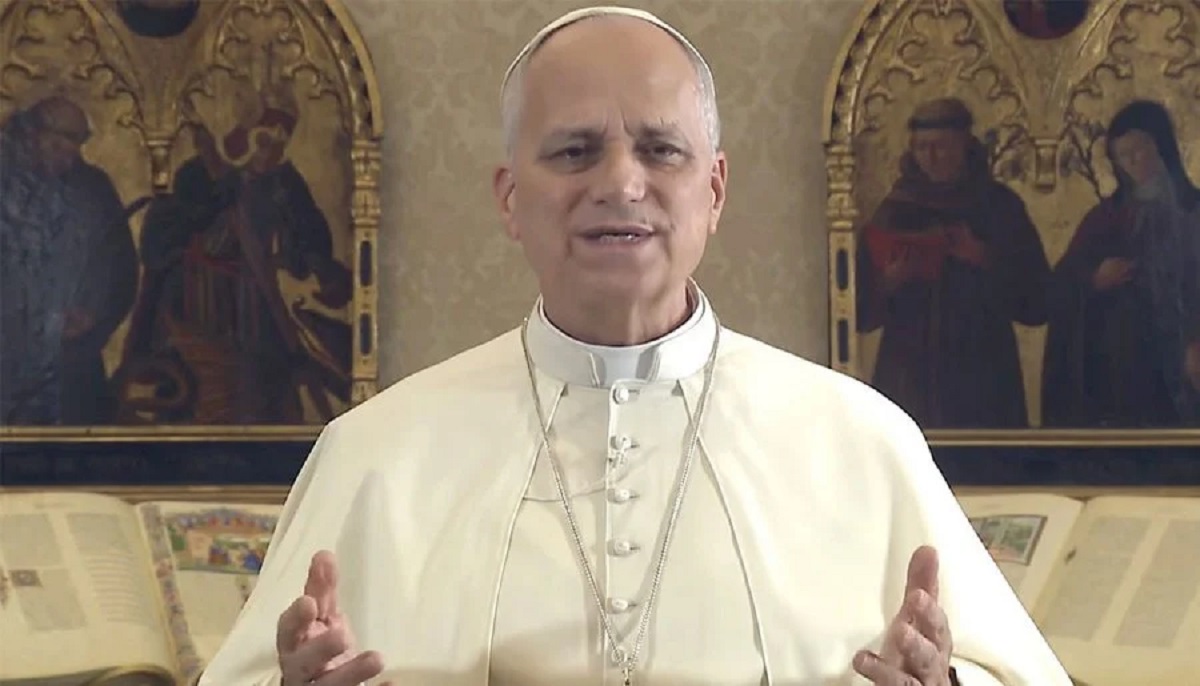
In his first public remarks regarding the escalating Iran conflict, Pope Leo XIV on Sunday, June 22, 2026, urged global leaders to choose dialogue over military action. Speaking from the Vatican during the Angelus address, the pontiff expressed “deep concern” over rising tensions in the Middle East, including instability in Iran and regional spillover effects. His statement comes amid heightened rhetoric between Iran and the United States, drawing international attention to the growing geopolitical crisis.
Key Highlights
Pope Leo XIV issues first public statement on Iran tensions on June 22, 2026
Calls for “sincere and responsible dialogue” instead of military escalation
Message follows rising tensions involving Iran and U.S. President Donald Trump
Vatican emphasizes peace, stability, and diplomatic resolution
Global leaders monitor Middle East instability closely
What Happened: Pope Leo XIV Speaks on Iran Conflict
During his Angelus prayer at St. Peter’s Square on June 22, 2026, Pope Leo XIV addressed the worsening geopolitical climate in the Middle East, particularly developments involving Iran. According to reports from Daily Mail, the Pope said:
“I am following with deep concern what is happening in the Middle East and in Iran during this tumultuous time.”
He further added:
“Stability and peace are not achieved through mutual threats, nor through the use of weapons, which sow destruction, suffering, and death, but only through reasonable, sincere, and responsible dialogue.”
The Vatican confirmed that this marks his first direct public message referencing the current Iran tensions and U.S. involvement. While he did not mention any specific policy actions, his comments appeared directed toward global leaders, including U.S. President Donald Trump, who recently issued strong warnings toward Tehran.
International outlets including Reuters and BBC News reported that diplomatic efforts are ongoing behind closed doors to prevent further escalation in the region.
Regional Instability and Rising Tensions
The Pope’s message comes amid reports of significant unrest in Iran, including political instability and retaliatory threats. Regional impacts have reportedly extended beyond Iran’s borders, affecting nearby Gulf nations and increasing security concerns across the Middle East.
Media analysts believe the Pope’s remarks are strategically timed, reinforcing the Vatican’s longstanding diplomatic position favoring peace negotiations over military intervention. The Holy See has historically acted as a neutral moral authority during global crises, advocating humanitarian solutions.
A Vatican spokesperson stated that “the Holy Father’s priority remains the preservation of human life and the pursuit of peace through dialogue.”
Public Reaction and Global Response
The Pope’s comments quickly circulated across social media platforms. Supporters praised his call for restraint.
One Catholic commentator wrote, “This is exactly the moral leadership the world needs right now.”
Another observer posted, “Dialogue is the only path forward. Violence will only deepen the crisis.”
However, critics argue that moral appeals may have limited impact in high-stakes geopolitical conflicts.
Diplomatic experts told BBC News that while religious leaders do not directly shape foreign policy, their words can influence public opinion and encourage diplomatic pressure.
Why It Matters: The Vatican’s Diplomatic Influence
The Vatican holds significant soft power in international diplomacy. Though it lacks military or economic leverage, it maintains diplomatic relations with over 180 countries.
Media analysts note that papal statements during conflicts often shape humanitarian narratives and encourage ceasefire discussions. In previous crises, Vatican interventions have helped facilitate back-channel diplomacy.
By publicly addressing the Iran situation, Pope Leo XIV signals that the global religious community is closely watching developments. His appeal underscores concerns about potential regional escalation, civilian impact, and broader global instability.
A Unique Angle: Moral Authority in a Digital Age
Unlike previous papal interventions limited to traditional media, Pope Leo XIV’s message rapidly spread through digital platforms, amplifying its reach globally within hours. Experts suggest that in today’s connected world, such statements can influence public discourse faster than ever before.
As geopolitical tensions rise, moral authority combined with digital amplification may play an increasingly important role in shaping global narratives.
What Happens Next?
Diplomatic channels remain active as international leaders evaluate their next steps. Observers expect continued negotiations aimed at reducing hostilities and preventing further regional destabilization.
The Vatican is likely to continue advocating peaceful dialogue in upcoming addresses. Meanwhile, global powers monitor developments closely, with hopes of avoiding a broader conflict.
FAQs
1. When did Pope Leo XIV address the Iran conflict? He spoke publicly on June 22, 2026, during the Angelus prayer at the Vatican.
2. What did the Pope say about the Iran situation? He called for sincere dialogue and warned against threats and the use of weapons.
3. Did the Pope directly address President Donald Trump? While not naming him in policy detail, his message referenced rising tensions involving U.S. leadership.
4. Why is the Vatican involved in geopolitical issues? The Vatican maintains diplomatic relations globally and advocates peace during international crises.
5. What impact could the Pope’s message have? While symbolic, it may influence public opinion and encourage diplomatic solutions.
For more updates on global political developments, visit our World News category.
Conclusion
As tensions continue in the Middle East, Pope Leo XIV’s call for dialogue highlights the urgent need for restraint and diplomacy. His remarks reinforce the Vatican’s enduring position that peace can only be achieved through conversation, not confrontation.
Stay informed with balanced, authoritative coverage at Star Struck Times.
Hello! I'm M Muzamil Shami, the founder and lead editor of Star Struck Times, your trusted source for trending news, entertainment scoops, celebrity gossip, sports highlights, and global headlines.
With a passion for storytelling and journalism, I created this platform to bring you breaking news, viral moments, and deep insights into the worlds of Bollywood, Hollywood, sports, politics, tech, and more — all in one place.