FBI mobilizes nationwide following US high alert after Iran strikes
US High Alert After Iran Strikes, FBI Mobilizes Nationwide Security
WASHINGTON, United States — Star Struck Times
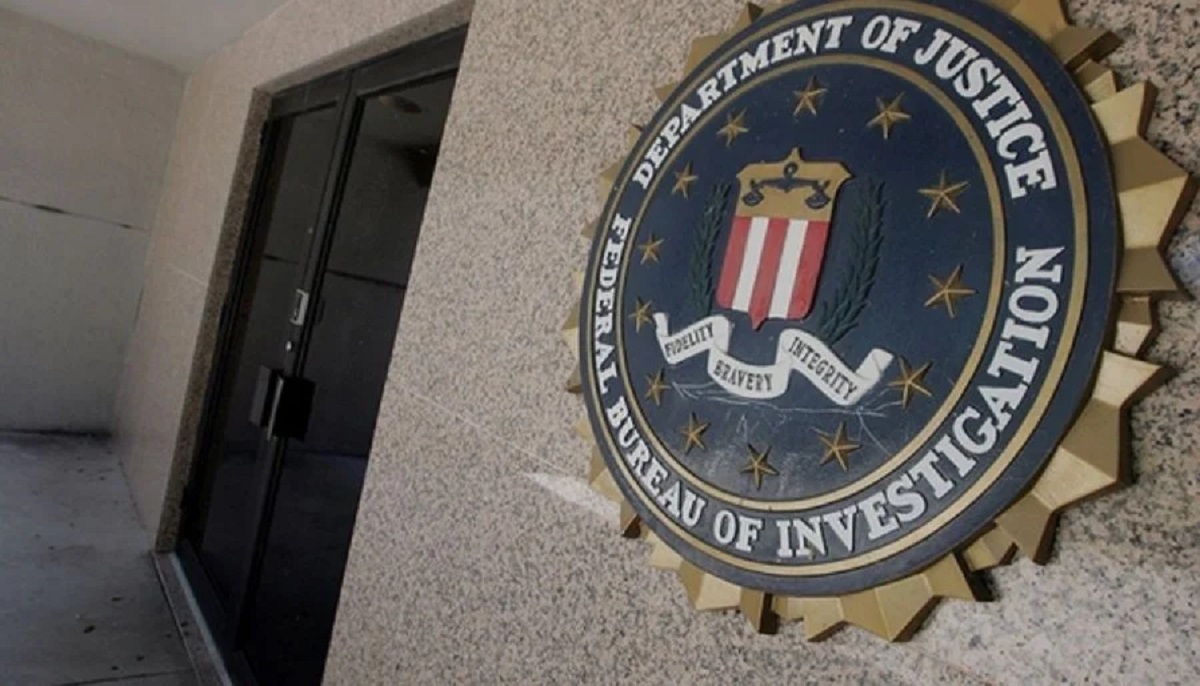
The United States has moved to a heightened national security alert following coordinated overnight US-Israeli military strikes on targets in Iran. The operation, known as Operation Epic Fury, has prompted the Federal Bureau of Investigation (FBI), the United States Secret Service, and major city police departments to increase security measures nationwide. Authorities say there are currently no known credible threats to the US homeland, but counterterrorism teams remain on high alert as officials monitor potential retaliation risks.
Operation Epic Fury targeted strategic sites in Iran
Secret Service steps up protective intelligence monitoring
NYPD and D.C. police increase patrols at sensitive locations
Officials confirm no credible threats but remain vigilant
What Happened: Operation Epic Fury Triggers Nationwide Alert
The heightened security posture follows a joint US-Israeli military operation conducted overnight against specific targets in Iran. The mission, referred to as Operation Epic Fury, was described by defense sources as a coordinated strike addressing escalating regional tensions.
According to reporting from the Tampa Free Press, FBI Director Kash Patel confirmed that the bureau is “fully engaged on the situation overseas” and has instructed counterterrorism and intelligence divisions to remain at peak readiness.
Patel stated that FBI teams are working across the country to “address and disrupt any potential threats to the homeland.”
The response includes the nationwide mobilization of the FBI’s Joint Terrorism Task Force (JTTF), which integrates federal, state, and local agencies to monitor and counter emerging threats.
A senior national security analyst told Reuters that “in moments of geopolitical escalation, domestic security agencies often shift to proactive prevention mode rather than reactive response.”
Law Enforcement Response Across Major US Cities
Federal agencies are not alone in tightening security. The United States Secret Service confirmed that it is closely monitoring developments overseas while coordinating with federal and local law enforcement partners to protect government officials and high-profile sites.
In Washington, D.C., the Metropolitan Police Department stated there are “no known threats to the District” but emphasized readiness to increase patrol presence if necessary.
Meanwhile, the New York Police Department (NYPD) has increased patrols at diplomatic buildings, cultural centers, and religious institutions. In a public statement on X (formerly Twitter), the department said it was acting “out of an abundance of caution.”
Residents in Manhattan reported seeing additional patrol vehicles near consulates and public landmarks. One New York resident said, “You can definitely see more officers around embassies today. It feels tense, but also reassuring.”
Security experts note that large metropolitan areas are typically placed on alert first during international escalations due to population density and symbolic targets.
Why the US High Alert Matters
The decision to move to a high alert status underscores the broader implications of overseas military actions on domestic security. While no immediate threat has been identified, intelligence agencies often anticipate potential retaliatory cyber, lone-actor, or proxy threats following geopolitical strikes.
A former Department of Homeland Security official told CNN that “prevention is key in moments like this. Even in the absence of credible threats, visible preparedness can act as a deterrent.”
This escalation also places renewed focus on US-Iran tensions, a relationship historically marked by diplomatic strain and intermittent military confrontation. Analysts believe the situation could influence global oil markets, international diplomacy, and regional stability in the Middle East.
Media analysts believe heightened domestic security responses are designed not only to protect citizens but also to send a signal of operational readiness to adversaries.
Context: Past US-Iran Escalations and Security Alerts
This is not the first time US law enforcement agencies have shifted into elevated alert following military developments involving Iran.
After previous US-Iran confrontations, including high-profile strikes in the region, agencies implemented similar precautionary measures. Historically, most heightened alerts have concluded without major domestic incidents.
Experts emphasize that coordinated communication between federal agencies such as the FBI, Secret Service, Department of Homeland Security, and local police departments plays a critical role in preventing threats before they materialize.
For more global security updates, explore our World News category.
What Happens Next?
Authorities are expected to continue intelligence monitoring in the coming days as geopolitical assessments unfold. Security agencies will likely maintain elevated readiness until diplomatic and military developments stabilize.
Federal officials have not announced travel advisories or additional nationwide restrictions at this time. However, analysts suggest the situation remains fluid and could evolve based on international responses.
FAQs
1. Why is the US on high alert after Iran strikes?
The alert follows coordinated US-Israeli military strikes on targets in Iran, prompting precautionary domestic security measures.
2. Is there a known threat to US cities?
Authorities state there are currently no credible threats, but agencies remain vigilant.
3. What is Operation Epic Fury?
Operation Epic Fury is the reported name of the joint military operation targeting sites in Iran.
4. Which agencies are involved in the response?
The FBI, United States Secret Service, Metropolitan Police Department (D.C.), and NYPD are among those increasing security.
5. How long will the high alert last?
Officials have not provided a timeline. The alert will likely depend on evolving geopolitical developments.
Stay informed with verified global updates. Follow Star Struck Times for real-time international security and world news coverage.
Hello! I'm M Muzamil Shami, the founder and lead editor of Star Struck Times, your trusted source for trending news, entertainment scoops, celebrity gossip, sports highlights, and global headlines.
With a passion for storytelling and journalism, I created this platform to bring you breaking news, viral moments, and deep insights into the worlds of Bollywood, Hollywood, sports, politics, tech, and more — all in one place.