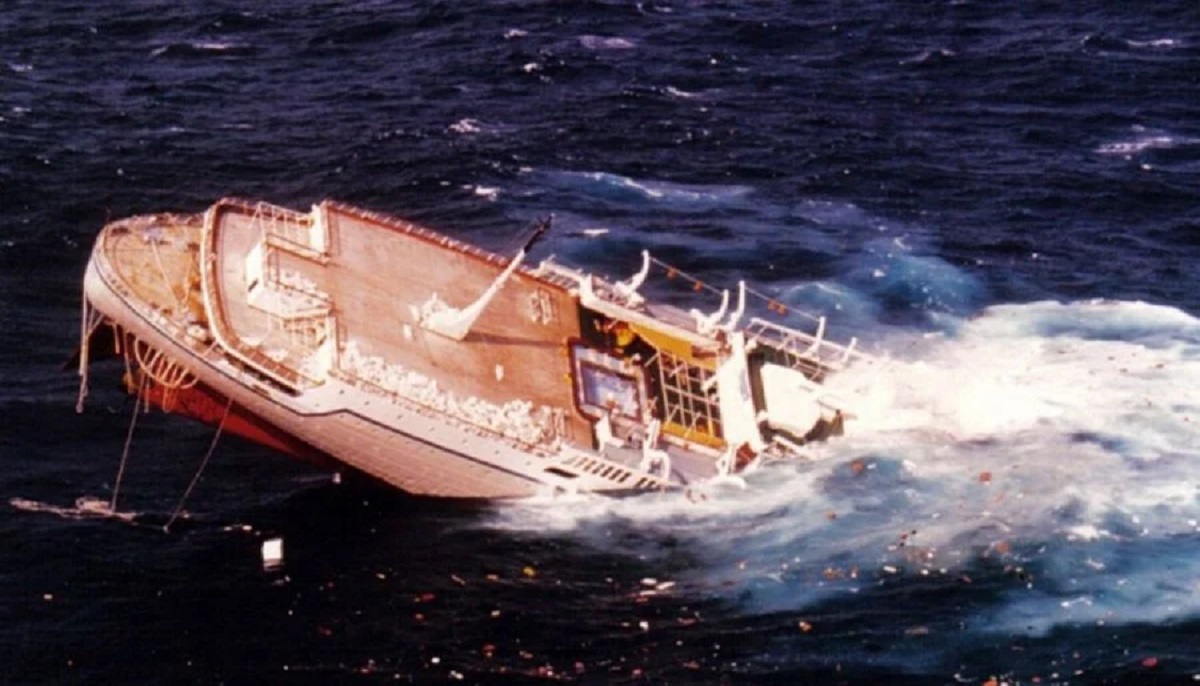
A maritime disaster unfolded early March 1, 2026, after the tugboat LEO sank roughly 80 nautical miles south of Mossel Bay in South Africa’s Western Cape, leaving one crew member confirmed dead and several others missing, according to South African Search and Rescue (SASAR). The tragedy has prompted a large-scale, multi‑agency search operation amid challenging sea conditions, drawing attention to ongoing concerns about offshore safety standards and emergency response capabilities.
The vessel reportedly transmitted a distress call late on March 1 at 17:02 GMT, reporting uncontrolled flooding and requesting immediate assistance. Despite swift mobilization of rescue teams, the tugboat succumbed to the ingress of water and sank before help could arrive in time. This incident underscores the unpredictable nature of maritime operations off the storm‑tossed southern African coastline and raises questions about vessel preparedness and safety protocols.
Key Highlights
Date & Location:LEO sank early March 1, 2026, about 80 nm south of Mossel Bay, Western Cape, South Africa.
Casualties:1 crew member confirmed dead, several missing, and 13 accounted alive after rescue efforts.
Cause: Initial reports cite uncontrolled water ingress as the primary cause of sinking.
Search & Rescue: SASAR leads the continued search in adverse weather conditions.
Official Response: Maritime authorities and emergency teams are coordinating efforts amid challenging swells.
What Happened: Timeline of the Tugboat Sinking
The tugboat LEO was undertaking routine operations off the southern coast of South Africa when it encountered difficulties late on March 1, 2026. At 17:02 GMT, the vessel issued a distress signal reporting uncontrollable flooding and urgently requesting assistance from nearby ships and rescue authorities. SASAR confirmed that the crew’s distress call was received and activated emergency protocols immediately.
Within hours, the LEO lost stability and sank approximately 80 nautical miles from Mossel Bay, a prominent maritime waypoint along the Western Cape coastline. The South African Search and Rescue statement indicated that 13 out of 18 crew members have been rescued, while one has been confirmed dead, and others are still reported missing.
An emergency marine coordinator involved in the rescue, Captain Johannes van der Merwe, said, “Despite adverse sea conditions, our teams are conducting extensive search operations. The safety of our crew and civilians remains our number one priority.”
Public Reaction & Official Response
News of the sinking sparked an outpouring of concern across maritime industry circles and local communities in South Africa. Social media platforms were filled with messages of support for families of the missing sailors, and marine safety advocates called for enhanced safety procedures on tugboats and supply vessels.
One local resident, Tariq Adams, shared via a community forum: “It’s heartbreaking to see this happen so close to our ports. We hope the missing are found safe.”
SASAR and South African Maritime Safety Authority (SAMSA) have maintained regular updates, emphasizing their commitment to locating missing crew members. SAR spokesperson Lieutenant Petra Jacobs explained, “The operation continues around the clock with support from aerial and sea‑based assets, despite the challenging sea state.”
Why It Matters: Safety at Sea and Industry Impact
Tugboats play a crucial role in offshore operations — from assisting larger ships into port to supporting supply missions. Incidents like the LEO sinking bring renewed focus to maritime safety standards, emergency training, and vessel design — particularly in rough sea conditions like those found off South Africa’s southern coast.
Media analyst Dr. Stephen Kearney notes, “Maritime disasters impact trade confidence and can trigger regulatory reviews, especially concerning safety preparedness in high‑risk zones.”
This event is especially significant as the Western Cape is a key route for commercial vessels, fishing fleets, and offshore support ships. Any prolonged disruption or reputational damage to the region’s maritime safety record could have ripple effects across international shipping and local industries reliant on marine operations.
Historical Context: Past Maritime Incidents in the Region
South Africa’s southern seaboard has been the site of several maritime emergencies over the past decade due to strong currents, unpredictable weather, and increased vessel traffic. In 2023, a fishing vessel capsized under storm conditions, prompting a similar multi‑agency response. These incidents highlight the perpetual need for robust safety measures and real‑time monitoring systems.
Industry reports from Maritime Insight and Seatrade Maritime News have documented earlier cases where uncontrolled water ingress — often caused by hull breaches or mechanical failure — led to catastrophic losses at sea.
A senior safety officer at one maritime NGO remarked, “The sea doesn’t negotiate — preparedness and preventive monitoring are key to saving lives.”
What Happens Next: Ongoing Search and Investigation
Rescue teams will continue to scour the designated search zone using surface vessels and aircraft until all missing crew members are found or declared lost. SAMSA has also launched a formal investigation to determine the exact sequence of events that led to the uncontrolled flooding aboard LEO.
Authorities have pledged to release a preliminary incident report within 72 hours, followed by a more comprehensive analysis in the weeks ahead. Local port officials and maritime insurers are closely monitoring developments, anticipating possible regulatory or procedural recommendations.
Frequently Asked Questions
1. What caused the tugboat LEO to sink? Preliminary reports suggest uncontrolled water ingress was the immediate cause, but full investigation is ongoing.
2. How many crew members were on board? There were 18 crew members on board when the distress signal was sent.
3. What agencies are involved in the rescue? South African Search and Rescue (SASAR), SAMSA, and other sea and air units are coordinating search efforts.
4. Where exactly did the sinking occur? Approximately 80 nautical miles south of Mossel Bay in South Africa’s Western Cape province.
5. When will the investigation be concluded? A preliminary report is expected within 72 hours, with full findings later.
Hello! I'm M Muzamil Shami, the founder and lead editor of Star Struck Times, your trusted source for trending news, entertainment scoops, celebrity gossip, sports highlights, and global headlines.
With a passion for storytelling and journalism, I created this platform to bring you breaking news, viral moments, and deep insights into the worlds of Bollywood, Hollywood, sports, politics, tech, and more — all in one place.