Tehran, Iran — Star Struck Times
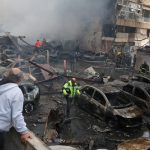
Iran has entered a 40-day national mourning period on March 1, 2026, following the reported killing of Supreme Leader Ayatollah Ali Khamenei in joint US-Israeli military strikes. The dramatic escalation in the Iran-Israel-US conflict has triggered retaliatory missile attacks across the Gulf region, including reported blasts in Dubai, Doha, and Manama. US President Donald Trump confirmed continued military operations, while Iranian President Masoud Pezeshkian condemned the attack as a “great crime.” The crisis has disrupted regional airspace, global markets, and diplomatic relations worldwide.
Key Highlights
- Iran begins 40-day national mourning after Khamenei’s death
- US and Israel confirm continued military operations
- Iranian retaliatory strikes target US military assets in Gulf states
- Pakistan cancels 156 flights amid regional airspace closures
- China calls for immediate ceasefire to prevent wider war
What Happened on March 1, 2026?
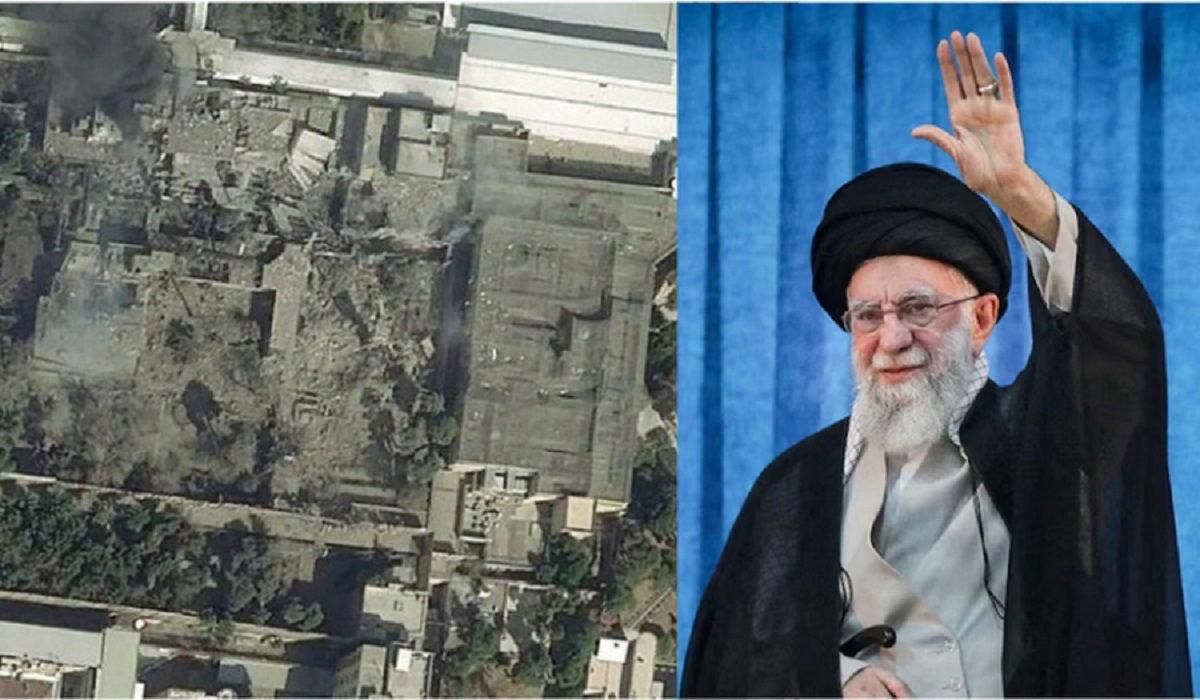
The crisis intensified after coordinated US-Israeli airstrikes on February 28, 2026, reportedly targeted high-level Iranian leadership facilities in Tehran. Iranian state media confirmed the death of Supreme Leader Ayatollah Ali Khamenei early Sunday.

According to reports from Reuters, US officials described the operation as a “precision military strike” aimed at crippling Iran’s strategic command structure. President Trump stated that “heavy and pinpoint bombing will continue as long as necessary.”
Iran responded within hours. Missile and drone strikes reportedly targeted US military installations in Gulf states. Al Jazeera reported explosions in Dubai, Doha, and Manama as tensions spilled beyond Iran’s borders.
A senior Middle East security analyst told BBC News, “This marks one of the most significant escalations in US-Iran tensions in modern history. The regional spillover risk is extremely high.”
Official Reactions and Global Response
Iranian President Masoud Pezeshkian addressed the nation, calling the killing a “great crime” and vowing decisive retaliation. Iranian officials declared a 40-day mourning period, a significant religious and political observance in the country.
Meanwhile, US defense officials maintained that the operation was conducted to neutralize what they described as “imminent threats.” Israeli authorities have not publicly detailed operational specifics but confirmed cooperation.
China urged immediate de-escalation. A statement from Beijing warned that continued hostilities could destabilize the Middle East energy corridor. European Union officials also called for restraint.
On social media, reactions were sharply divided. One user wrote, “This could change the Middle East forever.” Another commented, “We’re witnessing history unfold in real time.”

Media analysts believe the geopolitical impact could reshape diplomatic alignments across Asia and the Gulf.
Regional Impact: Flights, Oil Markets, and Security
The escalating Iran-Israel-US conflict has triggered widespread disruption.
Pakistan’s aviation authorities confirmed the cancellation of approximately 156 flights due to airspace security concerns. Several Gulf carriers rerouted or suspended operations.
Global oil prices surged in early trading hours amid fears of supply chain disruptions in the Strait of Hormuz. Energy experts warn prolonged instability could affect fuel prices worldwide.
Security alerts were raised in multiple Middle Eastern capitals. Governments advised citizens to avoid non-essential travel.
According to regional defense observers, this marks one of the largest direct military exchanges between Iran and US-backed forces in recent years.
Why This Conflict Matters Globally
The killing of Iran’s Supreme Leader represents a historic shift in Middle Eastern power dynamics. Leadership transitions in Iran carry both political and religious implications, potentially affecting internal governance and regional alliances.
The United States and Israel have long opposed Iran’s regional influence and nuclear ambitions. Analysts say this confrontation could redefine future nuclear negotiations and military deterrence strategies.
Historically, US-Iran tensions peaked during incidents such as the 2020 killing of General Qassem Soleimani. However, experts suggest the current situation carries broader geopolitical risk.
A defense policy expert stated, “Direct leadership targeting elevates this conflict to an entirely new strategic level.”
Unique Angle: Digital Warfare and Cyber Disruptions
Beyond military strikes, cybersecurity experts report increased cyberattacks targeting state media outlets and infrastructure systems. Analysts suggest digital warfare may play a larger role in the coming days.
Cybersecurity firms tracking Middle East activity noted spikes in attempted intrusions across government networks, highlighting an evolving battlefield beyond conventional military engagement.
What Happens Next?
Diplomatic efforts are expected to intensify at the United Nations in the coming days. Iran’s leadership council is anticipated to announce interim authority decisions during the mourning period.
Military analysts predict heightened security deployments across Gulf states, while global markets monitor oil supply stability.
The coming week will likely determine whether escalation continues or international mediation succeeds.
For ongoing updates, visit our World News section.
FAQs
1. When did the Iran-Israel-US conflict escalate?
The latest escalation began on February 28, 2026, with reported US-Israeli airstrikes.
2. Why is Iran observing a 40-day mourning period?
The mourning period follows the reported death of Supreme Leader Ayatollah Ali Khamenei.
3. Which countries are directly involved?
Iran, the United States, and Israel are central to the conflict, with Gulf states impacted.
4. How has the conflict affected air travel?
Pakistan canceled 156 flights, and multiple Gulf carriers adjusted operations.
5. What is the global concern?
Energy markets, regional security, and broader geopolitical stability are at risk.
Stay informed with verified, fact-based global coverage. For real-time updates on the Iran-Israel-US conflict, geopolitical analysis, and breaking world developments, follow Star Struck Times and bookmark our World News section.
Read more in our World News category for continuous updates.
Share this report to keep others informed.
Sources
This report is based on verified coverage from: