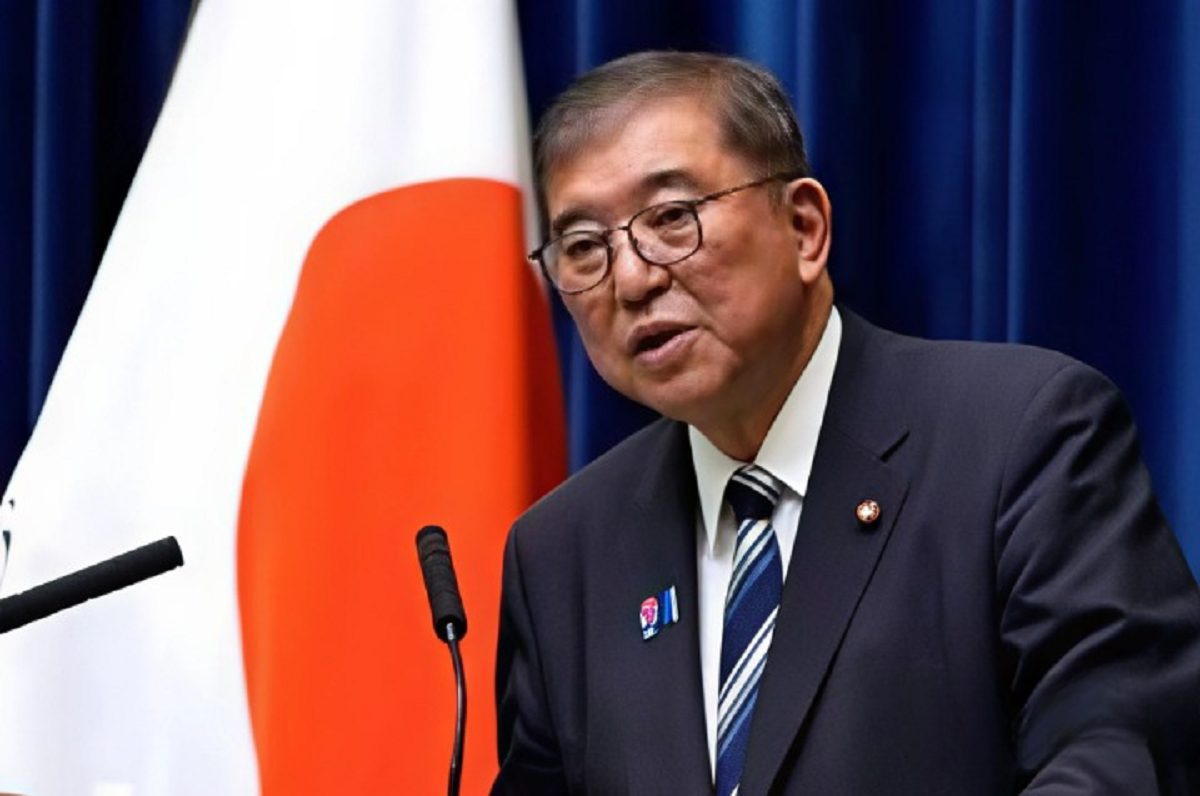
Prime Minister Shigeru Ishiba addresses the press in Tokyo, announcing his resignation after a historic electoral defeat.
Why Did Japan’s Popular PM Step Down So Suddenly? The Truth Behind Ishiba’s Resignation
In a move that stunned Tokyo and rippled across global political spheres, Prime Minister Shigeru Ishiba announced his abrupt resignation. Was it the weight of historic election losses, internal party pressure, or a surprising win in U.S. tariff talks that pushed him out? The true story behind the shocking exit will leave you questioning everything you thought you knew.
Key Points
Shigeru Ishiba resigns after less than a year as PM following historic electoral defeats.
Losses in both lower and upper houses created political instability.
Party heavyweights pressured him to resign to prevent internal splits.
Ishiba delayed exit to finalize U.S. deal reducing tariffs—a final political win.
He pledged not to seek re-election and asked successors to carry forward reforms.
LDP now heading toward snap leadership contest amid crisis and uncertainty.
Background: An Unexpected Rise and Rapid Descent
TOKYO (Star Struck Times) — Shigeru Ishiba, a veteran politician and once the underdog, won the leadership of the Liberal Democratic Party (LDP) in September 2024—an upset that foreign media dubbed “Ishibamania”. He served just under a year before announcing his resignation.
Conflict: A String of Crushing Electoral Defeats
Under Ishiba’s stewardship, the ruling coalition lost its lower house majority in October 2024 and its upper house majority in July 2025—a historic collapse that left the government politically vulnerable. Voters, frustrated by rising living costs and sluggish economic growth, sounded the alarm.
Escalation: Internal Turmoil and Mounting Pressure
Within weeks of the July loss, senior figures including Taro Aso and former PMs like Yoshihide Suga and Shinjiro Koizumi urged Ishiba to resign to avoid fracturing the party. Faced with the threat of an imminent internal leadership vote—a virtual no-confidence motion—pressure became undeniable.
Reaction: Playing the Tariff Card as a Last Anchor
At a press conference, Ishiba explained he delayed resigning to first finalize a U.S.–Japan trade deal reducing tariffs from 25% to 15%—a critical accomplishment he framed as a national interest priority. He asked, “Who would seriously negotiate with a government whose leader says he is stepping down?”.
Defence: A Painful Sacrifice to Avert Party Rupture
Ishiba called his decision “painful,” emphasizing that stepping aside would avoid a divisive showdown and permit smoother transition. He stated he would not run in the leadership race and urged his successor to continue reform efforts in wages, agriculture, and national security.
Conclusion: Political Fallout and What Lies Ahead
Ishiba’s resignation plunged Japan into a period of uncertainty. With the LDP stripped of its parliamentary majority, the upcoming leadership election—likely in October—will determine not just the party’s fate, but Japan’s direction amid domestic unrest and intensifying geopolitical tension.
FAQs
Q1: Why did Shigeru Ishiba resign as Japan’s PM? He resigned taking responsibility for a historic election defeat and to prevent internal party division as a leadership vote loomed.
Q2: What were the electoral losses that triggered this resignation? The ruling coalition lost its majority in the lower house in October 2024 and again in the upper house during July 2025.
Q3: Did Ishiba resign before or after securing a U.S. trade deal? He remained in office to finalize a U.S. tariff reduction deal and then stepped down, citing it as a milestone allowing for a responsible transition.
Q4: Who are potential candidates to succeed him? Candidates include Agriculture Minister Shinjiro Koizumi, former Economic Security Minister Sanae Takaichi, and Chief Cabinet Secretary Yoshimasa Hayashi.
Q5: What challenges will the new LDP leader face? The next leader must govern without a parliamentary majority, manage internal factions, address economic pain points like inflation, and navigate escalating regional diplomatic tensions.
What do you think—was Ishiba’s resignation the right move or a sign of deeper LDP turmoil? Comment below, share this story, and follow us for live updates on Japan’s leadership race and policy directions.
Hello! I'm M Muzamil Shami, the founder and lead editor of Star Struck Times, your trusted source for trending news, entertainment scoops, celebrity gossip, sports highlights, and global headlines.
With a passion for storytelling and journalism, I created this platform to bring you breaking news, viral moments, and deep insights into the worlds of Bollywood, Hollywood, sports, politics, tech, and more — all in one place.











Your point of view caught my eye and was very interesting. Thanks. I have a question for you.