Pope Leo responds to Trump criticism over Iran peace appeal
Vatican City, April 13, 2026, 14:00 CET — Star Struck Times
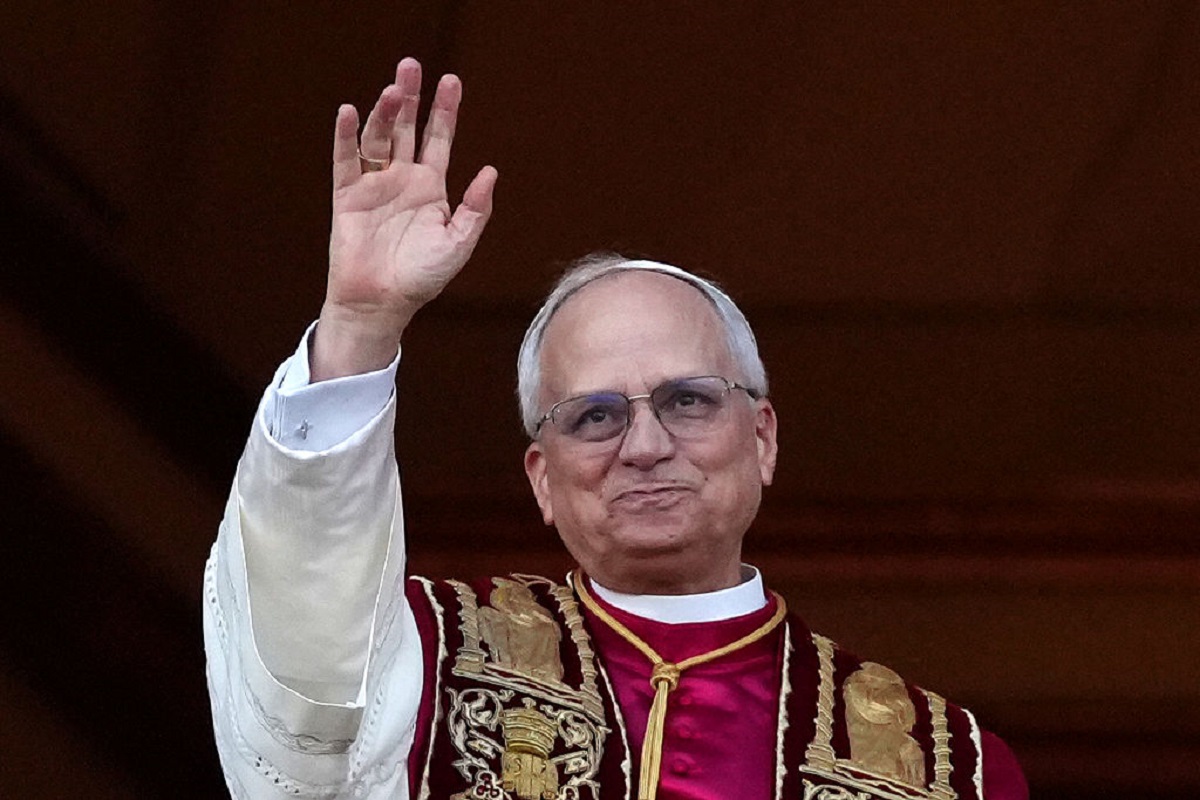
A sharp war of words has emerged between Pope Leo XIV and Donald Trump after the pontiff publicly called for peace in escalating global tensions involving Iran. The Pope’s appeal for diplomacy—issued on April 13, 2026—drew criticism from Trump, who labeled the stance “weak.” In response, Pope Leo firmly stated he does not fear political attacks, emphasizing the moral duty to oppose war. Explore more in our World News section.
Key Highlights
Pope Leo urges leaders to reject war and pursue peace
Trump criticizes the Pope’s stance on Iran tensions
Pope responds: “I do not fear such attacks”
Calls for diplomacy amid rising global conflict risks
Highlights growing global indifference to violence
Sparks debate on religion vs politics in global crises
A Moral Call Meets Political Resistance
The confrontation began when Pope Leo XIV issued a global appeal urging world leaders to prioritize dialogue over military escalation, particularly in the context of rising tensions involving Iran.
Speaking from Vatican City, the Pope warned:
“The world must not become indifferent to violence. Peace is always possible if leaders choose it.”
However, Donald Trump responded critically, accusing the Pope of misunderstanding geopolitical realities. According to coverage by Al Jazeera, Reuters, and BBC, Trump suggested that strong action—not negotiation—was necessary.
The exchange has quickly evolved into a broader debate about the role of moral leadership in global politics.
Why This Clash Matters Right Now
This disagreement comes at a particularly sensitive moment, as tensions surrounding Iran and the Strait of Hormuz continue to rise.
The Pope’s message reflects concerns shared by many global observers:
Growing normalization of violence in international relations
According to BBC analysis, religious leaders often step in during crises to advocate for peace—but their influence varies depending on political climates.
Public Reaction: Divided Opinions Worldwide
The global response to this exchange has been mixed.
Some support the Pope’s stance:
“At least someone is speaking for peace in a world heading toward conflict,” one social media user commented.
Others align with Trump’s perspective:
“Diplomacy doesn’t always work. Sometimes strength is necessary,” wrote another user.
This divide highlights a deeper tension between:
Idealism (peace-first approach)
Realpolitik (power-driven strategy)
Expert Insight: Clash of Two Leadership Philosophies
Political analysts describe this moment as a symbolic clash between moral authority and political power.
Dr. Elena Marquez, an international relations expert, explains:
“The Pope represents a long-standing tradition of moral diplomacy, while Trump embodies a results-driven, assertive approach. Both resonate with different segments of the global audience.”
This contrast is not new—but its visibility in the current geopolitical climate makes it especially significant.
Historical Context: Religion vs Power in Global Conflicts
The tension between religious leaders and political authorities has deep historical roots.
From past papal interventions during wars to modern diplomatic efforts:
The Vatican has often advocated for peace and negotiation
Political leaders have balanced security concerns with diplomacy
What makes this moment unique is the speed and scale of global reaction, amplified by digital platforms and real-time media coverage.
A Unique Angle: Is the World Becoming Indifferent to Violence?
Beyond the political exchange, Pope Leo’s warning about global indifference to violence introduces a deeper concern.
In recent years:
Conflicts have become more frequent
Public reactions often fade quickly
News cycles move rapidly from one crisis to another
This raises a critical question: Are people becoming desensitized to global suffering?
The Pope’s message suggests that moral urgency is fading, which could have long-term consequences for international peace efforts.
Watch: Pope Leo vs Trump – Full Reaction & Analysis
To better understand the intensity of this exchange and global reactions, watch the full video coverage below, featuring expert analysis and key statements from both sides.
The video highlights how quickly this issue escalated into a global debate, with strong reactions from political leaders, analysts, and the public.
What Happens Next?
As tensions continue to rise globally, this exchange may influence:
Future diplomatic efforts involving Iran
The role of religious voices in global politics
Public discourse on war vs peace
Whether leaders choose confrontation or negotiation remains uncertain—but the debate is far from over.
FAQs
1. Why did Pope Leo criticize global leaders?
He urged leaders to reject war and focus on peaceful negotiations.
2. What did Trump say about the Pope?
Trump criticized the Pope’s stance, calling it unrealistic in dealing with global threats.
3. Did Pope Leo respond to Trump?
Yes, he stated that he does not fear such criticism and stands by his message of peace.
4. Why is this issue trending?
It connects to rising tensions involving Iran and global fears of conflict.
5. What is the Pope’s main concern?
He warned that the world is becoming increasingly indifferent to violence.
Hello! I'm M Muzamil Shami, the founder and lead editor of Star Struck Times, your trusted source for trending news, entertainment scoops, celebrity gossip, sports highlights, and global headlines.
With a passion for storytelling and journalism, I created this platform to bring you breaking news, viral moments, and deep insights into the worlds of Bollywood, Hollywood, sports, politics, tech, and more — all in one place.