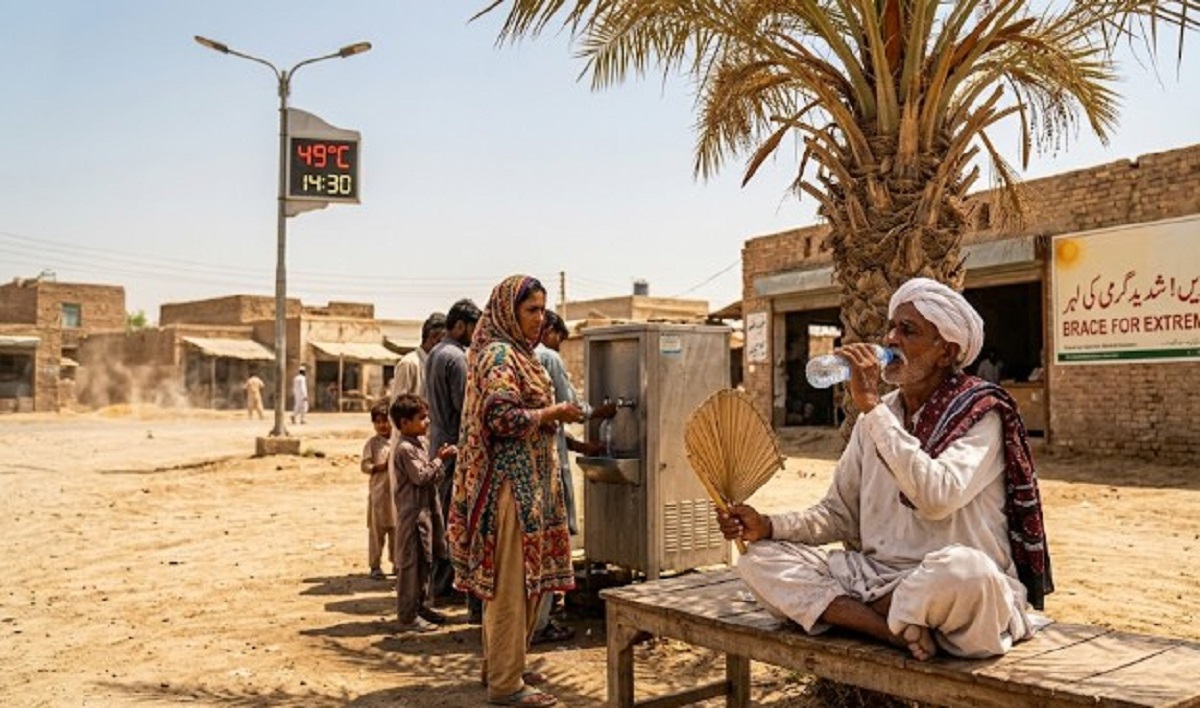
A dangerous spell of extreme heat is tightening its grip across southern Pakistan as the Pakistan Meteorological Department (PMD) warned that large parts of Sindh and southern Balochistan could continue experiencing severe temperatures on Tuesday. While upper regions may receive thunderstorms and isolated rainfall, cities including Turbat, Mithi, and Sibi have already recorded some of the hottest temperatures of the season — raising fears of an early summer heat crisis.
For millions across Pakistan, the latest weather alert is more than just a forecast. It is becoming a growing public safety concern as climate extremes intensify across the region.
Weather News category page on Star Struck Times
Key Highlights
Sindh and southern Balochistan expected to remain under intense heat
Turbat recorded a scorching 47°C
Mithi and Sibi crossed 46°C
Thunderstorms likely in upper Punjab, KP, Kashmir, and Gilgit-Baltistan
Strong winds and dust storms may hit several northern districts
Experts warn early heat spikes may signal a tougher summer ahead
Pakistan Heatwave Intensifies Across Sindh and Balochistan
According to the Pakistan Meteorological Department, most parts of the country are expected to remain hot and dry on Tuesday, with particularly severe conditions in Sindh and southern Balochistan.
The highest temperatures recorded included:
Turbat: 47°C
Mithi: 46°C
Sibi: 46°C
The situation has triggered growing online concern, especially after residents from interior Sindh shared videos and posts describing unbearable daytime conditions and power outage fears.
Meteorologists say the ongoing pattern reflects an accelerated pre-monsoon heat cycle. Climate analysts have repeatedly warned that Pakistan remains among the countries most vulnerable to extreme weather shifts linked to global climate change.
One weather analyst told local media that unusually early heat peaks can increase risks of dehydration, infrastructure strain, and crop stress if conditions persist through May and June.
Rain, Thunderstorms Expected in Northern Pakistan
While southern regions battle extreme heat, several northern and upper districts may experience unstable weather conditions.
The PMD forecast predicts:
Partly cloudy skies in upper Punjab and Khyber Pakhtunkhwa
Thunderstorms with gusty winds in Pothohar region
Rainfall in Gilgit-Baltistan and Kashmir
Possible dust storms in scattered areas
During the last 24 hours, multiple cities recorded rainfall accompanied by strong winds.
Notable rainfall totals included:
Patan: 18mm
Parachinar: 16mm
Sialkot City: 16mm
Mandi Bahauddin: 14mm
Narowal: 13mm
Muzaffarabad Airport: 10mm
Residents in some northern cities reported temporary relief from rising temperatures following overnight rain showers.
What Other Reports Missed About Pakistan’s Heat Pattern
Many weather updates focused only on temperature numbers. But a deeper look reveals a more worrying pattern emerging across Pakistan.
The combination of:
extreme southern heat,
unstable northern storms,
and shifting rainfall timing
suggests increasing atmospheric volatility — something climate researchers have associated with changing regional weather cycles in South Asia.
Another overlooked factor is urban heat amplification. Cities with expanding concrete infrastructure and limited tree cover, especially in Sindh, tend to trap more heat overnight. This means actual human discomfort levels may feel significantly worse than official temperature readings.
Experts also point to electricity demand spikes during such heatwaves. Increased air-conditioner usage can strain already fragile power systems, potentially worsening public hardship if outages occur.
Public Reaction as Heatwave Concerns Spread Online
As temperatures surged, social media users across Pakistan expressed frustration and concern.
One user from Sindh wrote:
“It already feels impossible to step outside before noon.”
Another viral post questioned whether this summer could surpass previous record-breaking seasons.
Public health officials are advising people to:
avoid unnecessary outdoor exposure,
stay hydrated,
and monitor elderly family members and children carefully.
Hospitals in some regions also reportedly increased heat-related preparedness measures as temperatures continue climbing.
Why This Weather Shift Matters Beyond Today
Pakistan has faced repeated climate-linked disasters in recent years, from devastating floods to prolonged heatwaves.
According to global climate assessments, South Asia is warming faster than many regions worldwide. Scientists have warned that heatwaves are becoming:
longer,
more frequent,
and more intense.
This latest weather system may therefore represent more than a temporary spike. It could be another signal of the increasingly unpredictable climate conditions affecting Pakistan’s agriculture, health systems, water resources, and urban infrastructure.
For farmers, the timing is particularly sensitive as rising temperatures can damage crops and accelerate water shortages before the monsoon season arrives.
What Happens Next
Weather officials say hot and dry conditions are expected to persist in much of southern Pakistan over the coming days, although isolated storms may continue developing in upper regions.
Meteorologists will closely monitor:
further temperature spikes,
possible dust storm activity,
and any evolving pre-monsoon systems.
If the current heat trend intensifies, additional advisories or heatwave alerts could follow later this week.
FAQs
Why is Sindh experiencing extreme heat right now?
A strong hot and dry weather system combined with seasonal pre-monsoon conditions is pushing temperatures sharply upward across Sindh.
Which city recorded the highest temperature in Pakistan today?
Turbat recorded the highest temperature at 47°C.
Will rain reduce temperatures in Pakistan?
Rainfall and thunderstorms may bring temporary relief in upper regions, but southern areas are expected to remain very hot.
Is this heatwave linked to climate change?
Climate experts say rising global temperatures are increasing the frequency and intensity of heatwaves across South Asia.
Which areas may receive thunderstorms?
Upper Punjab, Khyber Pakhtunkhwa, Kashmir, Gilgit-Baltistan, and Pothohar region may see rain and gusty winds.
Hello! I'm M Muzamil Shami, the founder and lead editor of Star Struck Times, your trusted source for trending news, entertainment scoops, celebrity gossip, sports highlights, and global headlines.
With a passion for storytelling and journalism, I created this platform to bring you breaking news, viral moments, and deep insights into the worlds of Bollywood, Hollywood, sports, politics, tech, and more — all in one place.