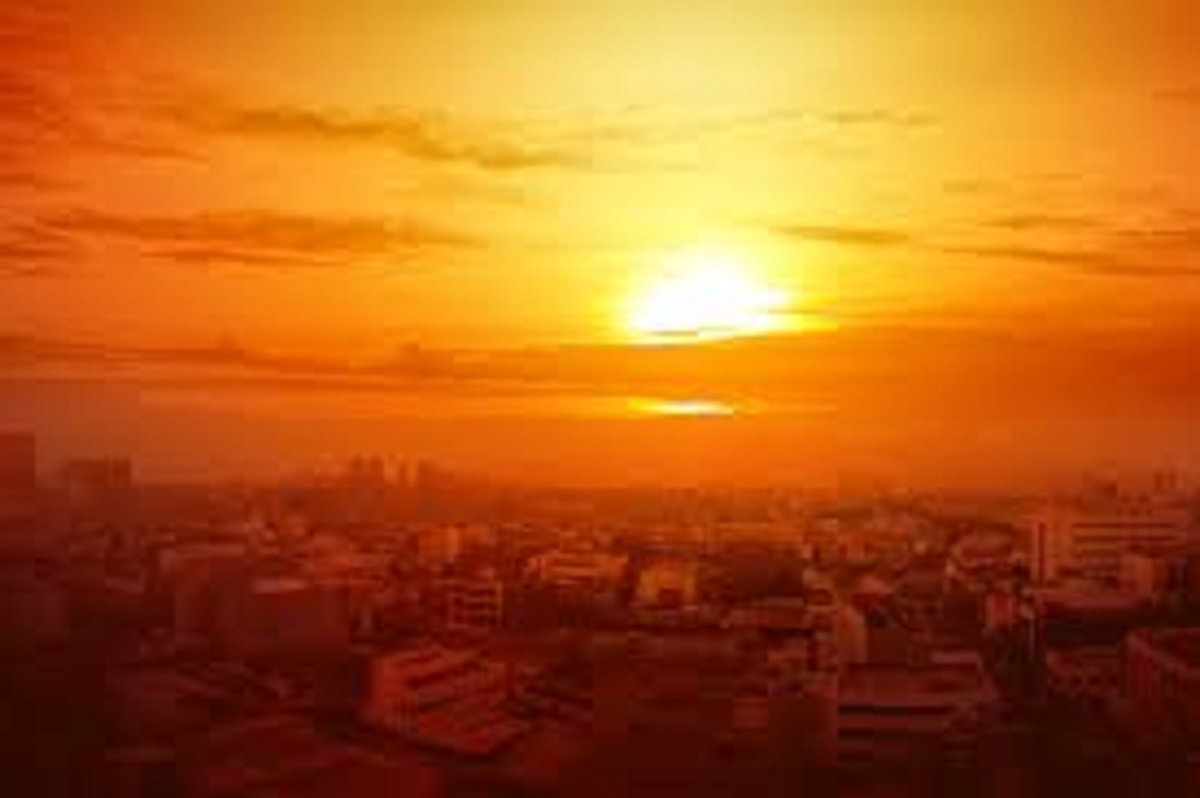
Pakistan continues to experience a mixed weather pattern as extreme heat dominates southern regions while intermittent rainfall brings temporary relief to parts of northern and central areas. According to recent observations, southern districts remained under intense heat conditions, with temperatures soaring up to 45°C, while upper Punjab, Khyber Pakhtunkhwa, and Gilgit-Baltistan witnessed gusty winds, thunderstorms, and scattered rainfall. The Pakistan Meteorological Department reports highlight sharp regional contrasts, raising concerns about ongoing heatwave intensity and unpredictable monsoon pre-conditions across the country.
Key Highlights
Southern Pakistan experienced severe heatwave conditions up to 45°C
Northern and central regions saw thunderstorms and scattered rainfall
Okara recorded the highest rainfall at 25mm
Gusty winds and rain affected parts of Punjab and KPK
Turbat remained the hottest city at 45°C
Weather instability expected to continue in coming days
Pakistan Weather Pattern Split Between Heatwave and Rainfall
The latest nationwide weather observations show a sharp divide across Pakistan’s regions. Southern cities such as Turbat, Larkana, and Mithi remained under intense heat stress, while northern belts experienced unstable atmospheric conditions.
According to the Pakistan Meteorological Department, this contrast is driven by seasonal transition patterns where hot continental air masses dominate the south, while moisture-laden winds intermittently affect upper regions.
Cities like Okara, Sargodha, Faisalabad, and Lahore recorded measurable rainfall, bringing temporary relief to residents facing rising temperatures earlier this week.
Rainfall Activity in Punjab, KPK, and Gilgit-Baltistan
Recent rainfall data indicates scattered but significant precipitation across multiple regions:
Punjab recorded rainfall in several districts including:
Okara: 25mm
Sargodha City: 18mm
Faisalabad: 15mm
Chakwal & Toba Tek Singh: 9mm
Sheikhupura: 8mm
Lahore (City): 4mm
In Khyber Pakhtunkhwa:
Malam Jabba: 17mm
Upper Dir and Pattan: light showers
In Gilgit-Baltistan:
Astore: 1mm rainfall
Meteorological analysts suggest these patterns are linked to localized convection activity, which often occurs during seasonal heat buildup.
Southern Pakistan Faces Extreme Heat Stress
While northern areas experienced rain, southern Pakistan remained locked under extreme heat conditions. Temperatures reached alarming levels:
Turbat: 45°C
Larkana & Mithi: 44°C
Chhor: 43°C
Mirpurkhas: 42°C
These readings place southern districts under significant heatwave pressure, increasing risks of dehydration, water scarcity, and energy demand surges.
Experts note that prolonged dry spells combined with rising temperatures are consistent with early summer heatwave trends seen in recent years.
What Other Reports Missed: Hidden Climate Pattern Shift
Beyond surface-level reporting, meteorological patterns suggest a deeper shift in seasonal behavior. Early pre-monsoon instability is becoming more frequent, with sudden thunderstorms in northern regions contrasting sharply with persistent heat in the south.
Climate specialists indicate that this uneven distribution may reflect broader regional climate variability affecting South Asia. The increasing intensity of heat in southern Pakistan, paired with erratic rainfall in northern zones, is becoming a recurring pattern rather than an isolated event.
This evolving behavior highlights the need for improved water management and heat preparedness strategies across vulnerable regions.
Why This Weather Pattern Matters
The current conditions are not just short-term fluctuations. They signal:
Rising heatwave frequency in southern Pakistan
Increased thunderstorm unpredictability in northern regions
Pressure on agriculture due to uneven rainfall distribution
Higher electricity demand due to cooling needs
Potential early monsoon irregularities
According to environmental analysts, such instability can significantly impact crop cycles, water reserves, and urban infrastructure planning.
Expert Insight
Meteorologists emphasize that transitional weather phases often bring mixed conditions. However, the intensity seen this year suggests stronger atmospheric energy buildup, which could influence the upcoming monsoon system.
What Happens Next
Weather models suggest that scattered rain may continue in upper Punjab and northern regions over the next few days, while southern Pakistan is likely to remain under persistent heat stress. Authorities may issue heat advisories if temperature levels continue to rise.
Residents in affected areas are advised to stay hydrated, avoid peak sun exposure, and monitor official updates from the Pakistan Meteorological Department.
FAQs
1. Why is Pakistan experiencing both heat and rain at the same time? Due to seasonal transition between dry heat masses and incoming moist air systems.
2. Which city recorded the highest temperature? Turbat recorded the highest temperature at 45°C.
3. Where did the heaviest rainfall occur? Okara received the highest rainfall with 25mm.
4. Is this weather pattern normal for May? Yes, but intensity and distribution are becoming more irregular in recent years.
5. Will more rain occur in Pakistan this week? Light to moderate rainfall is expected in northern regions, according to forecasts.
Hello! I'm M Muzamil Shami, the founder and lead editor of Star Struck Times, your trusted source for trending news, entertainment scoops, celebrity gossip, sports highlights, and global headlines.
With a passion for storytelling and journalism, I created this platform to bring you breaking news, viral moments, and deep insights into the worlds of Bollywood, Hollywood, sports, politics, tech, and more — all in one place.