- 30 people killed by a landslide near Vaishno Devi in Jammu.
- 150,000+ displaced in Punjab, Pakistan after floodwaters swallowed villages.
- Continuous monsoon rains and dam releases worsen conditions.
- Infrastructure collapse: bridges washed away, highways blocked.
- Governments issue evacuation alerts, military and rescue teams mobilized.
- Climate experts warn: extreme monsoons are becoming the new normal.
A Disaster Strikes: When Nature Turns Against Humanity
In a terrifying reminder of nature’s unstoppable power, flash floods and landslides devastated northern India and Pakistan this week, leaving behind destruction, grief, and unanswered questions.
At least 30 people lost their lives in a massive landslide near the sacred Vaishno Devi pilgrimage route in Jammu, a place that millions consider holy. The tragedy has turned an area of faith and devotion into one of mourning and shock.
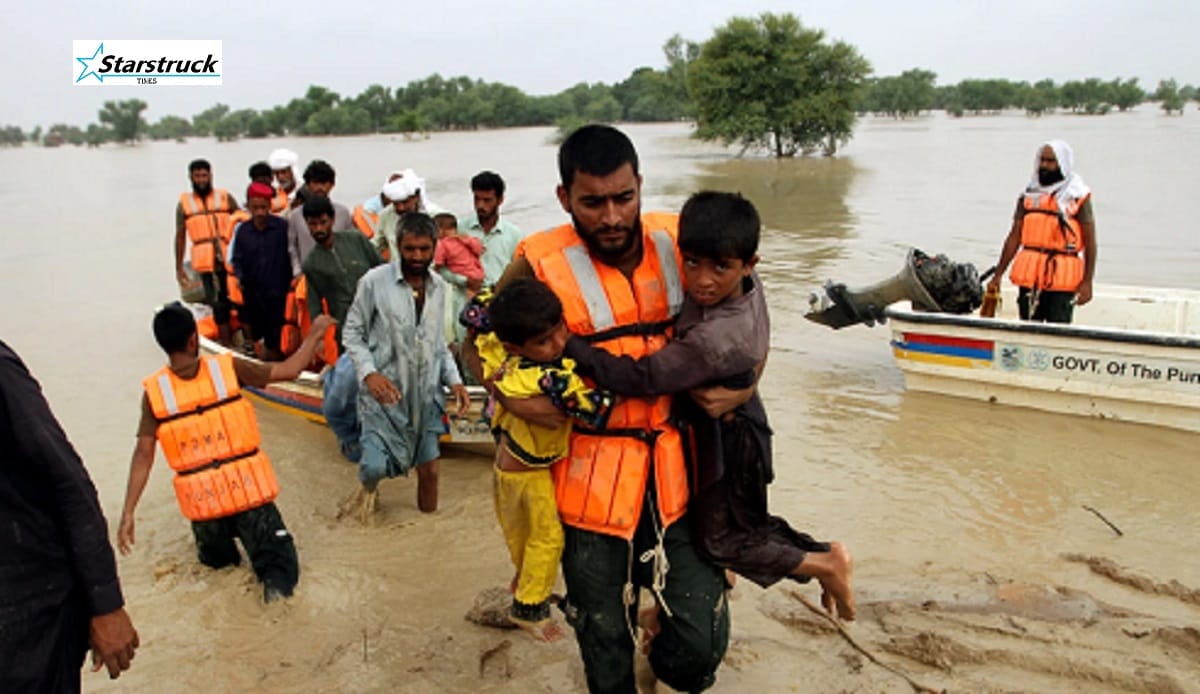
Meanwhile, in Punjab, Pakistan, the situation is equally grim. Over 150,000 people have been displaced as relentless monsoon rains and emergency dam water releases turned fertile plains into flood-ravaged wastelands. Villages vanished under water, families scrambled for survival, and urgent evacuation efforts are still underway.

This is not just a weather event. It’s a humanitarian crisis, a test of resilience, and a wake-up call about climate change’s violent reality in South Asia.
Jammu’s Holy Route Turns Into a Graveyard
The Vaishno Devi shrine has always symbolized faith and perseverance. Pilgrims brave long treks, steep climbs, and unpredictable weather to pay their respects. But this week, faith collided with fury as a sudden landslide crashed down near the pilgrimage path.
Eyewitnesses describe an unthinkable scene — boulders rolling like thunder, soil collapsing like waves, and pilgrims screaming for their lives. Local rescue officials confirmed that at least 30 people died instantly, while several others remain missing.
“One moment we were chanting prayers, the next, the mountain fell on us,” said a survivor, tears still clinging to dust on his face.
Roads leading to the shrine are now blocked, and rescue operations are ongoing under treacherous conditions. The Indian Army and disaster response teams are on high alert, racing against time as weather forecasts predict more rains in the coming days.
Punjab’s Nightmare: Floods Swallow Homes and Hope
Across the border in Pakistan, Punjab is facing one of the worst flood disasters in recent memory.
Entire families climbed onto rooftops to escape the rising waters. Children clung to their parents as flood currents swept through villages like a thief in the night. Livestock drowned, crops destroyed, and thousands left with nothing but the clothes they wore.

Local authorities estimate over 150,000 people displaced, with makeshift camps struggling to provide food, clean water, and medical supplies. The government has issued red alerts for more rainfall as nearby dams and rivers threaten further breaches.
“This isn’t just water, it’s a tsunami for us. Everything we had is gone,” said Ayesha, a mother of three, now sheltering in a relief camp near Multan.
The Pakistani Army has been deployed with boats and helicopters, while NGOs rush to provide aid. But the sheer scale of the disaster has left many crying for help.
Climate Change or Neglect?
Both India and Pakistan face the harsh truth: these disasters are no longer isolated incidents.
Experts have long warned that climate change will intensify South Asia’s monsoon patterns, bringing both droughts and devastating floods. Rapid urbanization, poor planning, and deforestation have only worsened the impact.
“Every year we say it’s the worst flood, but next year it gets worse,” says Dr. Rehman, a climate researcher in Lahore. “Unless both countries address infrastructure, drainage, and emergency preparedness, this cycle of death and displacement will repeat endlessly.”
The tragedy also raises uncomfortable questions: Were authorities prepared? Could early warnings and stronger dam management have reduced the devastation?
FAQs
Q1: How many people have died in the Jammu landslide?
At least 30 confirmed deaths, with more missing.
Q2: How many people are displaced in Punjab floods?
Over 150,000 people have been forced from their homes.
Q3: What caused the floods and landslides?
A combination of intense monsoon rains, weakened soil, and emergency dam water releases triggered the disasters.
Q4: Is more flooding expected?
Yes, meteorologists warn of continued rainfall, increasing the risk of further landslides and flooding in coming days.
These heartbreaking stories highlight the urgency of climate action and disaster preparedness.
Should governments invest more in early warning systems and resilient infrastructure?
Comment your thoughts below — what’s the real solution?
Explore more updates on our News Section and related stories under Bollywood Buzz and Sports News, where disasters and human resilience often collide with culture and community.
References / Further Reading
- NDTV – Vaishno Devi Landslide Kills Dozens
- Dawn – Punjab Floods Displace 150,000 People
- The Guardian – South Asia Faces Increasing Monsoon Disasters
- BBC News – Climate Change and Extreme Weather in South Asia