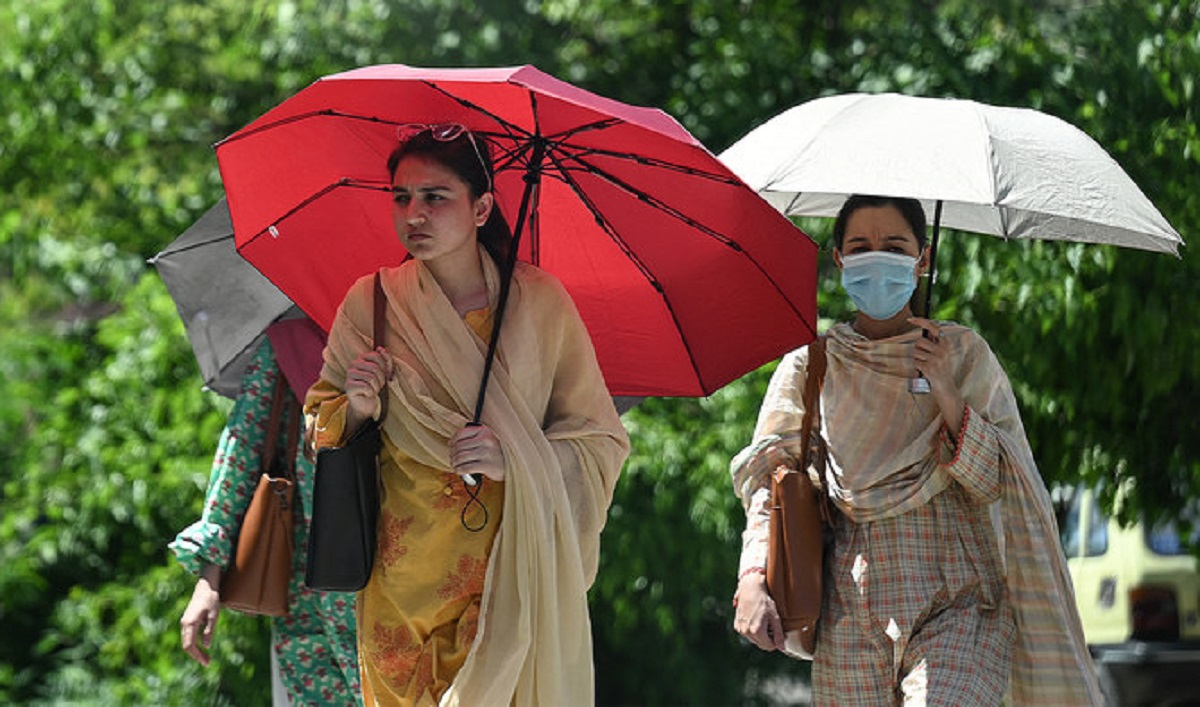
Extreme heatwave conditions continue across Pakistan as temperatures cross 45°C in several regions
Karachi, Pakistan — May 9, 2026, 5:30 PM — Star Struck Times
Pakistan is once again facing an intense spell of extreme heat as the national weather outlook warns that several regions will remain dangerously hot and dry through Saturday. According to the latest advisory issued on May 8, southern Punjab, upper Sindh, and parts of eastern and southern بلوچستان are expected to experience severe heatwave-like conditions, raising concerns about public health, water shortages, and power demand across multiple cities.
The warning comes as temperatures continue climbing across the country, with some areas already crossing 45°C. Weather experts say the prolonged dry weather pattern could intensify if seasonal wind systems remain weak over the coming days.
Suggested Internal Link: Weather News category page on Star Struck Times
Key Highlights
Pakistan expected to remain hot and dry in most regions
Southern Punjab and upper Sindh facing severe heat conditions
نوکنڈی recorded the highest temperature at 45°C
سکھر، دالبندین، and جیکب آباد reached 44°C
Meteorologists warn vulnerable populations face increased health risks
Energy demand and water stress may worsen in coming days
Pakistan Heatwave Conditions Intensify Across Southern Regions
The latest forecast indicates that most parts of Pakistan will remain under hot and dry weather conditions throughout Saturday. However, the most intense temperatures are expected in southern Punjab, upper Sindh, and parts of Balochistan, where daytime heat is likely to remain severe.
According to official meteorological data, the highest temperatures recorded during the past 24 hours included:
نوکنڈی — 45°C
سکھر — 44°C
دالبندین — 44°C
جیکب آباد — 44°C
Meteorologists say persistent high-pressure systems over the region are preventing cloud formation and rainfall, allowing daytime temperatures to rise sharply.
A senior climate observer speaking to local media noted that Pakistan’s southern belt has become increasingly vulnerable to prolonged heat spells in recent years due to changing regional climate patterns and reduced pre-monsoon moisture.
Why This Heatwave Matters Beyond Temperature Records
While high temperatures are common during May, experts say this year’s recurring extreme heat episodes are placing additional pressure on infrastructure and public health systems.
Hospitals in several urban centers often report rising cases of dehydration, heat exhaustion, and heatstroke during prolonged hot spells. Children, outdoor laborers, and elderly citizens remain among the most vulnerable groups.
Energy analysts also warn that sustained heatwaves can significantly increase electricity consumption due to air conditioning and cooling demand. This raises the possibility of localized power outages in already strained areas.
Public health officials continue advising citizens to:
Avoid direct sunlight during peak afternoon hours
Increase water intake
Wear light-colored clothing
Avoid unnecessary outdoor activity
Monitor elderly family members and children closely
Public Reaction Grows as Heat Returns Early
Social media users across Pakistan reacted strongly to the rising temperatures, with many describing outdoor conditions as “unbearable” during afternoon hours.
One user from Sindh wrote, “It feels impossible to stay outside even for ten minutes.” Another called the current conditions “a preview of what summer may become.”
The growing concern reflects wider public anxiety around recurring extreme weather events in South Asia. Climate researchers have repeatedly warned that heatwaves across the region are becoming more frequent, longer, and more intense.
According to reporting from international climate agencies and regional studies cited by Reuters and the BBC in previous climate coverage, South Asia remains one of the world’s most climate-vulnerable regions due to dense populations and rapidly rising urban temperatures.
What Other Reports Missed About Pakistan’s Heat Crisis
Many routine weather updates focus only on temperature numbers, but the larger issue may be how repeated heatwaves are gradually reshaping daily life and economic activity in Pakistan.
Extreme heat increasingly affects:
Agricultural productivity
Water availability
Urban electricity systems
Worker productivity
Public transportation reliability
Experts say urban “heat island” effects are also worsening conditions in major cities, where concrete infrastructure traps heat overnight and reduces cooling after sunset.
Another overlooked factor is nighttime heat retention. Even when daytime peaks decline slightly, overnight temperatures staying unusually high can significantly increase health risks because the human body receives less recovery time.
This hidden aspect of heatwaves has become a growing focus in global climate research.
Historical Context: Pakistan’s Rising Heat Trend
Pakistan has repeatedly witnessed severe pre-summer heatwaves over the past decade. Cities in Sindh and Balochistan have frequently ranked among the hottest places globally during May and June.
Climate scientists say warming trends across South Asia are increasing the probability of prolonged extreme heat events before the arrival of monsoon systems.
Some forecasts suggest 2026 could see additional periods of above-normal temperatures if dry atmospheric conditions persist into late May.
What Happens Next
Weather observers expect hot and dry conditions to continue in several regions over the next few days, particularly in southern parts of the country.
Authorities may issue additional heat advisories if temperatures continue rising. Citizens are being encouraged to follow official weather updates and take preventive measures seriously as summer intensifies.
FAQs
Why is Pakistan experiencing extreme heat right now?
Pakistan is currently under the influence of dry, high-pressure weather systems that suppress rainfall and increase daytime temperatures.
Which areas are most affected by the heatwave?
Southern Punjab, upper Sindh, eastern Balochistan, and southern Balochistan are among the hardest-hit regions.
What was the highest temperature recorded?
نوکنڈی recorded the highest temperature at 45°C.
Can heatwaves become dangerous for health?
Yes. Heatwaves can cause dehydration, heat exhaustion, and heatstroke, especially among vulnerable populations.
Is climate change linked to Pakistan’s heatwaves?
Many climate experts believe rising global temperatures are contributing to more frequent and intense heatwaves across South Asia.
Hello! I'm M Muzamil Shami, the founder and lead editor of Star Struck Times, your trusted source for trending news, entertainment scoops, celebrity gossip, sports highlights, and global headlines.
With a passion for storytelling and journalism, I created this platform to bring you breaking news, viral moments, and deep insights into the worlds of Bollywood, Hollywood, sports, politics, tech, and more — all in one place.