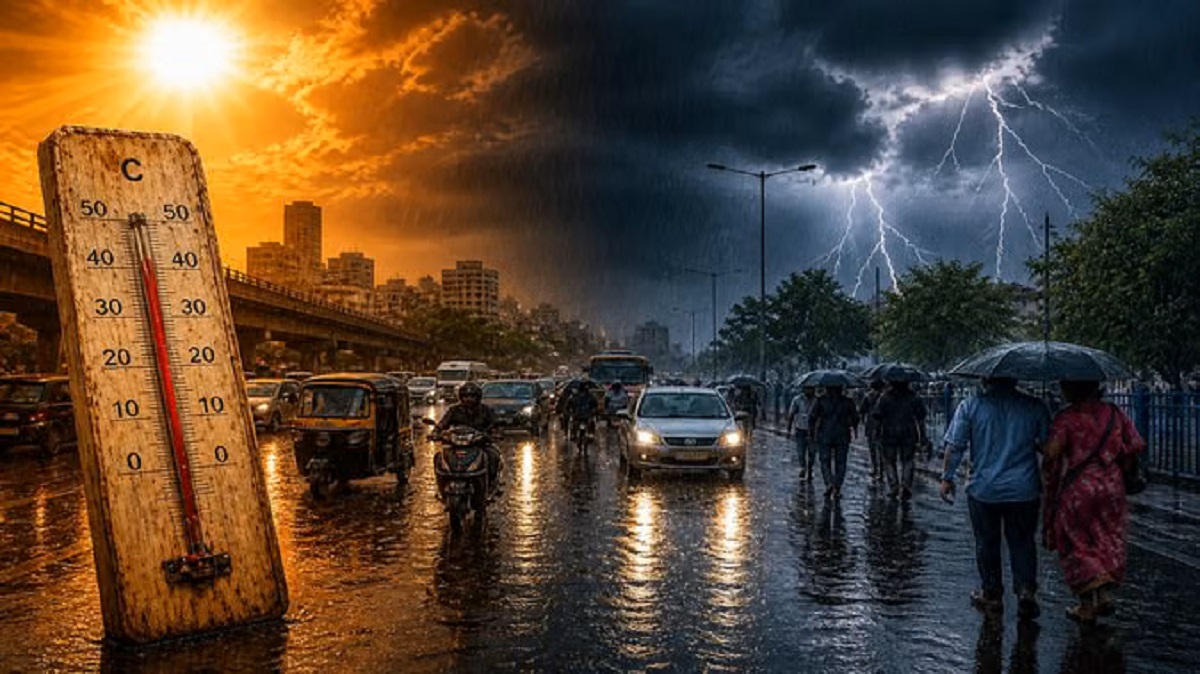
Pakistan weather conditions are shifting rapidly as intense heat grips southern regions while rain and thunderstorms are forecast for northern and central areas. According to the latest meteorological update, most parts of the country will remain hot and dry on Monday, with severe heat expected in southern districts. However, upper regions including Khyber Pakhtunkhwa, Gilgit-Baltistan, Kashmir, and parts of Punjab may experience strong winds, thunderstorms, and isolated hailstorms—raising concerns about sudden weather disruptions.
For more updates, visit our Weather News section on Star Struck Times.
Key Highlights
Hot and dry weather expected across most of Pakistan
Severe heatwave conditions in southern districts
Thunderstorms and rain likely in upper regions
Hailstorms possible in Kashmir, Pothohar, and northeast Punjab
Highest temperatures recorded up to 46°C in multiple cities
Rainfall recorded in Khyber Pakhtunkhwa, Punjab, and Kashmir
Heatwave Intensifies in Southern Pakistan
Southern Pakistan continues to face extreme temperatures, with cities like Jacobabad and Shaheed Benazirabad recording a scorching 46°C. Other areas including Turbat, Dadu, Hyderabad, and Mohenjo-daro reported temperatures reaching 45°C, signaling dangerous heatwave conditions.
Meteorological experts warn that prolonged exposure to such temperatures can pose serious health risks, particularly for outdoor workers and vulnerable populations. According to data aligned with global climate monitoring agencies like Reuters and BBC Weather analysis, South Asia is increasingly experiencing prolonged heat spells due to climate change patterns.
A senior meteorologist noted, “These temperatures are significantly above seasonal averages, indicating a persistent heatwave system over southern Pakistan.”
Rain, Thunderstorms Expected in Northern Regions
While the south battles heat, northern and upper regions are preparing for unstable weather conditions. Areas including upper Khyber Pakhtunkhwa, Gilgit-Baltistan, Kashmir, northeast Punjab, and the Pothohar region are likely to experience gusty winds and thunderstorms.
There is also a risk of hailstorms in specific locations such as Kashmir, Pothohar, and northeast Punjab. These conditions may lead to localized damage to crops, vehicles, and infrastructure.
Recent rainfall has already been recorded in several regions:
Kohat: 24 mm
Chakwal: 13 mm
Murree: 11 mm
Islamabad (Zero Point): 10 mm
Lahore (Tajpura): 14 mm
These figures highlight a growing weather contrast across regions, with heavy rain in some areas and extreme heat in others.
What Happened in the Last 24 Hours
Over the past 24 hours, most parts of Pakistan experienced hot and dry weather, particularly in southern districts where temperatures remained exceptionally high. Meanwhile, scattered rain and thunderstorms were reported in upper Khyber Pakhtunkhwa, Punjab, کشمیر, and Gilgit-Baltistan.
Cities like Peshawar, Dir, Rawalpindi, and Lahore recorded moderate rainfall accompanied by strong winds and thunder, offering temporary relief from rising temperatures.
Why This Weather Pattern Matters
This contrasting weather pattern reflects a transitional phase influenced by regional climate systems. Experts suggest that such fluctuations—heatwaves in the south and storms in the north—are becoming more frequent due to shifting atmospheric dynamics.
According to climate reports referenced by BBC and international weather monitoring organizations, South Asia is among the regions most vulnerable to extreme weather variability.
Public reaction on social media reflects growing concern:
“46°C already? This summer is going to be brutal,” one user posted. Another commented, “Storms in the north while we burn in the south—this weather is getting unpredictable.”
Hidden Context: What Other Reports Missed
While many reports focus only on temperature extremes or rainfall data, a deeper analysis reveals a critical trend: Pakistan is facing simultaneous climate stressors. The coexistence of heatwaves and storm systems indicates atmospheric instability, which can lead to more severe weather events in the coming weeks.
This pattern also increases risks for agriculture, water management, and urban infrastructure—areas that are often overlooked in daily weather reporting but carry long-term consequences.
What Happens Next
Meteorologists predict that the current weather pattern will persist over the next few days, with continued heat in southern regions and intermittent storms in northern areas. Authorities may issue advisories if temperatures rise further or if storm activity intensifies.
Citizens are advised to stay hydrated, avoid unnecessary outdoor exposure during peak heat hours, and remain alert to weather updates, especially in storm-prone regions.
FAQs
1. Which areas will experience rain today in Pakistan? Upper Khyber Pakhtunkhwa, Gilgit-Baltistan, Kashmir, northeast Punjab, and Pothohar are likely to receive rain.
2. What is the highest temperature recorded today? The highest temperature recorded is 46°C in Jacobabad and Shaheed Benazirabad.
3. Is there a risk of hailstorms? Yes, hailstorms are expected in parts of Kashmir, Pothohar, and northeast Punjab.
4. Why is southern Pakistan experiencing extreme heat? A persistent heatwave system is affecting southern regions, intensified by climate patterns.
5. Will the weather improve soon? Current forecasts suggest similar conditions will continue in the coming days.
Hello! I'm M Muzamil Shami, the founder and lead editor of Star Struck Times, your trusted source for trending news, entertainment scoops, celebrity gossip, sports highlights, and global headlines.
With a passion for storytelling and journalism, I created this platform to bring you breaking news, viral moments, and deep insights into the worlds of Bollywood, Hollywood, sports, politics, tech, and more — all in one place.