


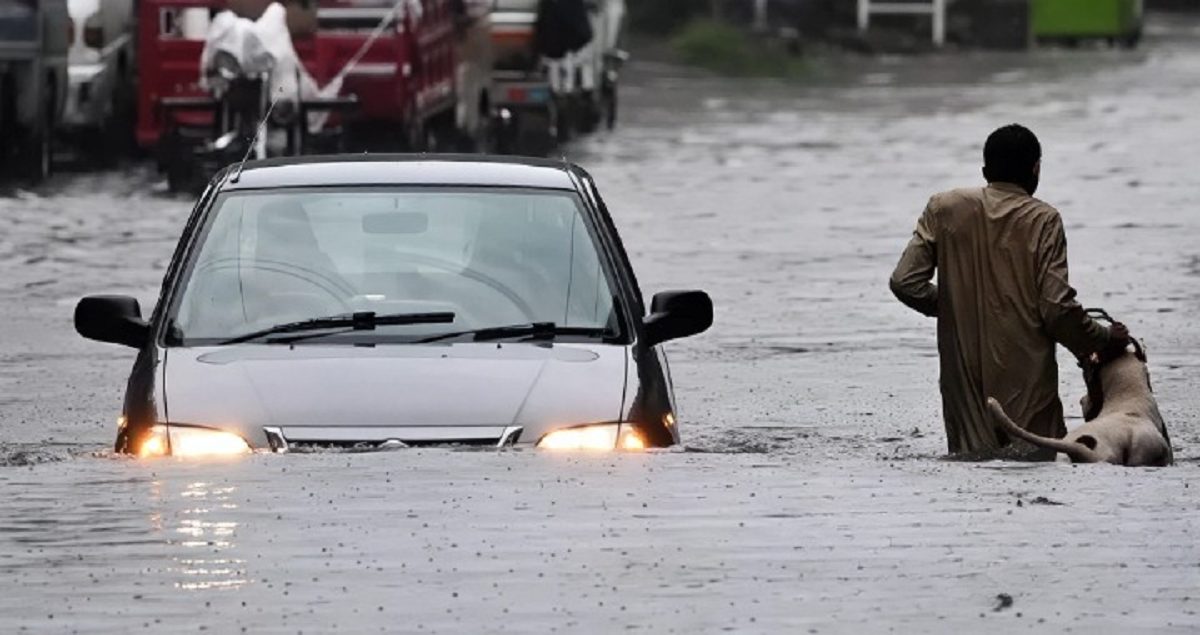
Families Uprooted Overnight: Pakistan’s Punjab Faces Unstoppable Floods and a Race Against Time
As raging waters swallow homes and crops, millions in Pakistan’s Punjab are facing one of the worst floods in living memory. Emergency sirens, desperate evacuations, and haunting images of submerged villages have sparked global attention. Could this be the beginning of another climate catastrophe?
Key Points
- Punjab faces worst flooding in decades due to record monsoon rains.
- Over 1.2 million acres of farmland destroyed, displacing thousands.
- PMD warns another monsoon system is on its way.
- Rescue operations ongoing, but criticism of government response grows.
- International aid organizations pledge emergency support.
- Climate activists link disaster to global warming and climate justice.
Pakistan Punjab Flooding: A Region Under Siege
For weeks, monsoon rains have battered Pakistan’s Punjab region, but in the last 48 hours, the situation has escalated into a full-blown humanitarian crisis. Authorities describe this as “the worst flooding in decades,” with entire districts submerged under muddy waters. Thousands of families have been forced to flee overnight, while crops and livestock — lifelines for millions — are drowning in the deluge.

Background: Punjab’s History with Floods
Punjab, Pakistan’s agricultural backbone, has historically suffered from seasonal flooding. The mighty rivers Indus, Ravi, and Chenab often overflow during the monsoon, but modern infrastructure was meant to prevent large-scale disasters. Yet, this year’s rainfall shattered decades-old records.
“The rain we received in just 48 hours is equivalent to what we normally expect over two weeks,” explained Dr. Saif Ullah, senior hydrologist at the Pakistan Meteorological Department (PMD).
Conflict: Human vs. Nature
At the heart of the disaster is a clash between human vulnerability and nature’s fury. More than 1.2 million acres of farmland have been destroyed, leaving farmers hopeless. Entire villages remain cut off as rising waters washed away roads and bridges.
“I had only ten minutes to carry my children out. Everything else—my cattle, my house, my fields—is gone,” said Abdul Rehman, a resident of Muzaffargarh, in a tearful interview with local media.
Social media is flooded with heart-wrenching videos of people stranded on rooftops, waving for rescue boats.
Escalation: Evacuation Orders
On Sunday night, local authorities issued urgent evacuation warnings for low-lying areas in Multan, Dera Ghazi Khan, and Rahim Yar Khan. Thousands are seeking shelter in government schools, makeshift camps, and mosques.
The PMD has warned that another strong monsoon system will hit southern Punjab within the next 48 hours, potentially worsening the crisis.
“We urge people not to wait. Move to safer ground immediately. The risk of flash floods and river overflow is extremely high,” stated an official alert from the National Disaster Management Authority (NDMA).
Reaction: National and Global Outcry
The Pakistani government has mobilized Army helicopters, Navy boats, and rescue teams to aid civilians. International humanitarian organizations, including the Red Crescent and UNICEF, have also pledged emergency relief.
“This is not just a disaster, it’s a climate wake-up call,” warned climate activist Hina Khan. “Pakistan contributes less than 1% to global emissions, yet we pay the heaviest price.”
Global climate advocates are amplifying calls for climate reparations — urging developed nations to provide financial assistance to countries like Pakistan.

Defence: Government Response Under Fire
Despite rescue operations, criticism is mounting. Many flood-affected residents accuse the government of being unprepared, with outdated infrastructure and poor disaster management.
Opposition leader Maryam Nawaz voiced concerns:
“Every year we hear promises of flood management, but every year our people drown. Punjab deserves action, not empty speeches.”
Prime Minister Shehbaz Sharif defended the government:
“We are working round the clock. No stone will be left unturned in saving lives. Relief funds have been released and international help has been requested.”
Conclusion: A Region on the Brink
The Punjab floods of 2025 will be remembered not just for their sheer scale, but also for the urgency they bring to the climate debate. With millions displaced and billions in damages, Pakistan faces not only a humanitarian emergency but also a test of resilience against a future where climate disasters are no longer rare — but routine.
FAQs
Q1: Why is Punjab experiencing such severe flooding in 2025?
Punjab’s flooding is caused by record-breaking monsoon rains, river overflows, and inadequate infrastructure to handle extreme climate events.
Q2: How many people have been affected by the Punjab floods?
Authorities estimate millions are directly or indirectly affected, with thousands displaced from their homes.
Q3: What is the government doing to manage the Punjab flooding crisis?
Rescue operations with helicopters, boats, and relief camps have been launched. However, critics argue the response is too slow.
Q4: Will the flooding get worse in the coming days?
Yes. The Pakistan Meteorological Department has warned of another powerful monsoon system arriving within 48 hours.
Q5: How does climate change play a role in Pakistan’s floods?
Experts say global warming intensifies monsoon patterns, leading to more extreme rainfall events in South Asia, making floods more devastating.
What are your thoughts on Pakistan’s Punjab flooding crisis? Should global powers step in with climate reparations?
Comment below and share your opinion!
Follow Star Struck Times for the latest breaking news, weather updates, and global stories.
Sources / Further Reading
- Al Jazeera – Pakistan Floods: Punjab Faces Worst Monsoon in Decades
- BBC News – Punjab Flood Crisis: Millions Displaced Amid Record Rainfall
- UNICEF – Emergency Flood Response in Pakistan
- Climate Reality Project – How Climate Change Intensifies Monsoon Flooding in South Asia




Thank you for your sharing. I am worried that I lack creative ideas. It is your article that makes me full of hope. Thank you. But, I have a question, can you help me? https://accounts.binance.bh/cs/register/person?ref=OMM3XK51