Oil markets react as Iran opens Strait and Trump warns Iran
Karachi, Pakistan, April 18, 2026 — Star Struck Times
Global oil prices slipped sharply on Friday after Iran declared the Strait of Hormuz “completely open,” easing fears of supply disruption. At the same time, tensions escalated as former U.S. President Donald Trump warned that military action could resume if negotiations with Iran fail. The developments come amid renewed geopolitical pressure in the Middle East, where energy security, military strategy, and global markets remain deeply connected. For countries like Pakistan, the reopening of key oil routes adds both economic relief and diplomatic significance.
Key Highlights
Oil prices drop after Iran signals Strait of Hormuz is fully open
Donald Trump warns of possible renewed military action against Iran
U.S. signals possible uranium recovery from Iran amid nuclear concerns
Pakistan’s role in regional stability gains global attention
Markets react cautiously to mixed geopolitical signals
Strait of Hormuz Reopens — Why Markets Reacted Instantly
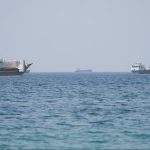
The Strait of Hormuz, one of the world’s most critical oil transit chokepoints, regained stability after Iran confirmed it is “completely open.” Nearly 20% of global oil shipments pass through this narrow waterway, making it vital for global energy security.
Reports from NDTV and international agencies show traders reacted immediately, pushing oil prices lower as fears of supply disruption eased. Even small improvements in maritime security often cause sharp movements in Brent crude benchmarks.
An energy analyst cited by Reuters noted that markets remain extremely sensitive to developments in this region, where even symbolic statements can shift global pricing trends.
Trump’s Warning Raises Military Pressure
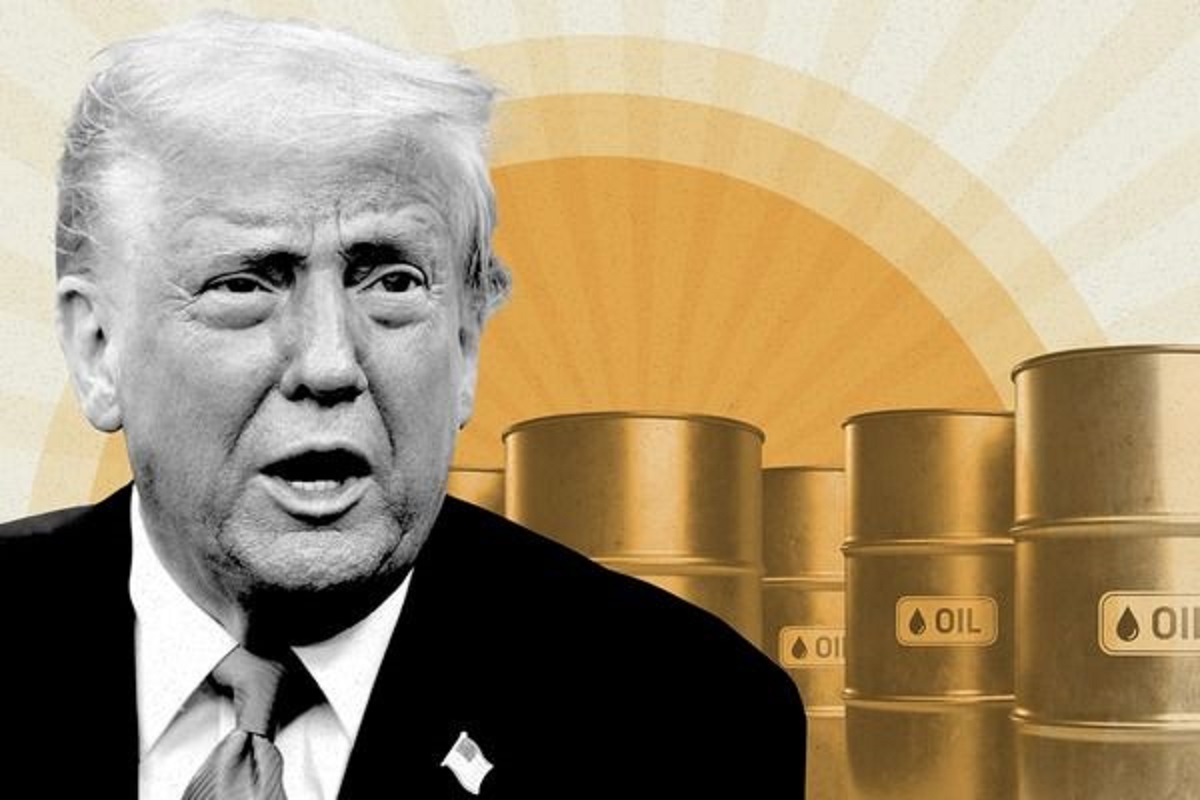
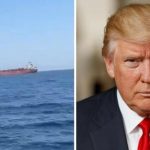
While oil markets calmed temporarily, political tensions escalated after Donald Trump warned Iran that the United States could resume military strikes if a nuclear deal is not reached.
His statement intensified global concerns, especially as discussions continue over Iran’s nuclear program. Reports suggest the U.S. is also considering measures linked to recovering enriched uranium from Iranian control.
A senior analyst from the Atlantic Council stated that this dual situation—economic easing but political escalation—creates instability that markets struggle to predict.
Public reaction online has been divided, with many users warning that “temporary relief in oil prices may hide deeper conflict risks.”
Pakistan’s Strategic Role Gains Attention
Amid rising tensions, Pakistan has unexpectedly emerged as a notable diplomatic player. Trump publicly acknowledged Pakistan’s role in supporting stability around the Strait of Hormuz, bringing Islamabad into global discussion once again.
Experts believe Pakistan’s involvement reflects its growing importance in regional diplomacy and trade route security. With strong relations across Middle Eastern countries, Pakistan may play a balancing role in preventing further escalation.
A regional affairs expert commented that Pakistan’s position is “increasingly relevant in shaping coordination between global powers and regional stakeholders.”
Hidden Context: What Most Reports Miss
Beyond headlines, a deeper strategic layer is unfolding. Iran’s declaration of the Strait being “completely open” may not only signal stability but also strategic positioning.
Key interpretations include:
Reducing immediate global economic pressure
Strengthening negotiation leverage with the United States
Projecting control while avoiding direct escalation
This creates a calculated balance where both Iran and the U.S. maintain pressure without fully escalating into conflict. This “controlled tension” is a key driver of global oil volatility.
Why This Matters Globally
The Middle East remains central to global energy flow. Even minor disruptions in the Strait of Hormuz can significantly impact fuel prices, inflation, and global trade.
For Pakistan, falling oil prices may offer short-term economic relief. However, long-term instability in the region could still impact trade routes and regional cooperation.
According to the International Energy Agency (IEA), disruptions in this corridor can affect global supply chains within days, highlighting its strategic importance.
What Happens Next
The situation remains highly fluid. Key developments to watch include:
Progress or collapse of U.S.–Iran negotiations
Any military escalation signals in the region
Continued stability of the Strait of Hormuz
Oil price volatility in global markets
If diplomatic efforts fail, renewed regional conflict could reverse current market stability.
FAQs
1. Why did oil prices fall recently? Because Iran declared the Strait of Hormuz open, easing supply fears.
2. What did Trump say about Iran? He warned that the U.S. could resume military strikes if no nuclear deal is reached.
3. Why is the Strait of Hormuz important? It handles nearly 20% of global oil transportation.
4. What is Pakistan’s role in this situation? Pakistan was acknowledged for helping stabilize regional maritime access.
5. Is war likely? Tensions are high, but no confirmed escalation has occurred yet.
Follow Star Struck Times for breaking updates on Iran, Trump’s latest moves, Pakistan’s role, and global oil market shocks before they hit mainstream headlines.
Sources
NDTV, Reuters, International Energy Agency (IEA), Atlantic Council
Hello! I'm M Muzamil Shami, the founder and lead editor of Star Struck Times, your trusted source for trending news, entertainment scoops, celebrity gossip, sports highlights, and global headlines.
With a passion for storytelling and journalism, I created this platform to bring you breaking news, viral moments, and deep insights into the worlds of Bollywood, Hollywood, sports, politics, tech, and more — all in one place.