US naval presence rises amid Strait of Hormuz blockade tensions
Karachi, Pakistan, April 13, 2026, 18:00 PKT — Star Struck Times
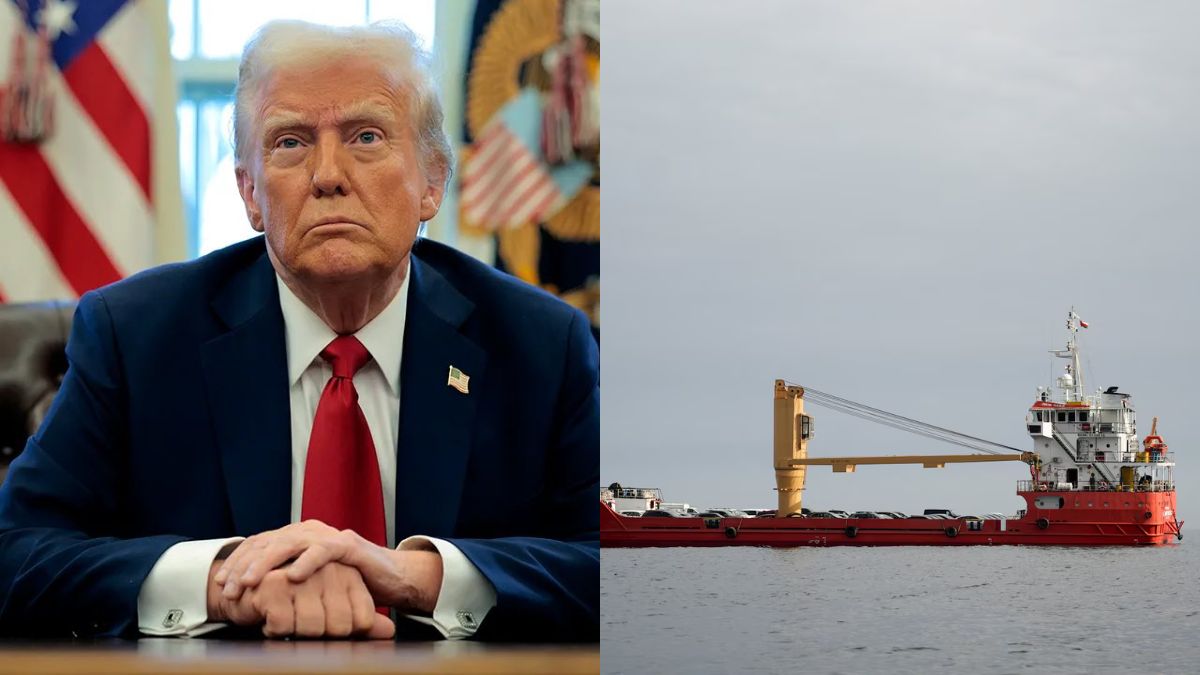
The US Iran war latest news has taken a dramatic turn as Donald Trump announced a naval blockade targeting Iranian ports near the strategically critical Strait of Hormuz. The decision follows the collapse of high-stakes diplomatic talks over Iran’s nuclear ambitions. As tensions surge, global markets, governments, and military analysts are closely watching developments that could reshape Middle East geopolitics. Explore more in our World News section.
Key Highlights
US announces naval blockade of Iranian ports
Talks between US and Iran collapse without agreement
Iran issues strong retaliation warnings
Oil prices surge above $100 per barrel
Global shipping firms placed on high alert
Strait of Hormuz emerges as the center of conflict
What Triggered the Blockade Decision?
The escalation began after a weekend of intense negotiations between US and Iranian officials failed to produce a breakthrough. According to reports from Reuters, BBC, and NDTV, disagreements centered on Iran’s refusal to scale back its nuclear program.
In a bold move, Trump confirmed that the US would initiate a targeted maritime blockade, aiming to restrict Iranian port operations while allowing neutral shipping traffic.
A senior defense analyst quoted by Reuters stated:
“This is not a full closure of the Strait but a strategic pressure tactic designed to isolate Iran economically.”
The announcement immediately heightened fears of confrontation in one of the world’s most sensitive regions.
Why the Strait of Hormuz Is So Critical
The Strait of Hormuz is not just another waterway—it is the lifeline of global energy supply.
Nearly 20% of the world’s oil supply passes through it
It connects the Persian Gulf to global markets
Even minor disruptions can trigger global economic shockwaves
According to The Guardian, any blockade—even a partial one—can destabilize oil markets and increase shipping risks.
Within hours of the announcement:
Oil prices surged past $100 per barrel
Shipping insurance costs spiked
Energy-dependent economies showed early signs of stress
Iran’s Reaction: “We Will Not Surrender”
Iran’s response has been swift and uncompromising.
Officials in Tehran declared that the country would not bow to pressure. The Islamic Revolutionary Guard Corps (IRGC) issued a stern warning:
“Any hostile military presence near our waters will be dealt with severely.”
Additionally, Iranian leadership hinted at retaliatory actions targeting Gulf infrastructure, raising fears of a broader regional conflict.
A Tehran-based political commentator told BBC:
“Iran sees this as an act of economic warfare, not diplomacy.”
Global Impact and Rising Risks
The global ripple effects of the blockade are already visible:
Energy markets: Oil volatility increasing
Shipping industry: UK maritime agencies warn vessels
Financial markets: Investor confidence shaken
US Central Command clarified that:
Commercial ships not linked to Iran will not be obstructed
The blockade is targeted, not absolute
However, experts warn that even limited restrictions could escalate rapidly if miscalculations occur.
Timeline of Escalation
April 11–12, 2026: US–Iran talks collapse
April 13, 2026 (Morning): Trump announces blockade
April 13, 2026 (10:00 ET): Blockade scheduled to begin
Same Day: Iran issues retaliation threats
Hours Later: Oil prices surge globally
Expert Insight: A Calculated Risk?
Strategic analysts suggest this move is a high-risk geopolitical gamble.
Dr. Alan Greene, a Middle East policy expert, notes:
“This is a pressure strategy—but history shows that pressure in the Gulf often leads to unintended escalation.”
This adds a layer of unpredictability to an already volatile situation.
A Unique Angle: Economic Warfare Over Military Conflict
Unlike traditional warfare, this move signals a shift toward economic containment strategies.
Instead of direct military engagement:
The US is targeting trade routes and financial pressure
Iran is responding with strategic deterrence threats
This could redefine how modern conflicts are fought—less about territory, more about economic choke points.
US–Iran Conflict Explained – Breaking News & Global Impact
Here’s a quick video explaining the latest developments and what it means globally:
This analysis highlights why the Strait of Hormuz is becoming the center of global tension and what risks lie ahead.
What Happens Next?
The coming days are critical.
Key possibilities include:
Limited enforcement of the blockade
Diplomatic backchannel negotiations
Military escalation if tensions spiral
Global leaders are urging restraint, but the situation remains fluid.
FAQs
1. What is the Strait of Hormuz blockade?
It refers to the US attempt to restrict Iranian maritime activity in a key global oil route.
2. Why did Trump announce the blockade?
After failed nuclear talks, the US aims to pressure Iran economically.
3. Will global oil prices increase?
Yes, oil prices have already crossed $100 due to supply fears.
4. Can this lead to war?
There is a risk, especially if military tensions escalate.
5. How does this affect global trade?
Shipping delays and increased costs could disrupt international trade.
Hello! I'm M Muzamil Shami, the founder and lead editor of Star Struck Times, your trusted source for trending news, entertainment scoops, celebrity gossip, sports highlights, and global headlines.
With a passion for storytelling and journalism, I created this platform to bring you breaking news, viral moments, and deep insights into the worlds of Bollywood, Hollywood, sports, politics, tech, and more — all in one place.