Border instability continues as Lebanon ceasefire faces renewed pressure following reported strikes
Karachi, Pakistan, April 18, 2026, — Star Struck Times
The fragile calm along the Israel–Lebanon border is once again under intense pressure after renewed reports of military escalations and ceasefire violations raised fears that the recently announced truce could collapse. According to updates reported by sources including the BBC, Arab News, and The New York Times, tensions have surged despite diplomatic efforts aimed at stabilizing the region.
The situation is unfolding amid broader regional uncertainty involving Iran, the Strait of Hormuz, and shifting U.S. diplomatic signals, making this one of the most volatile moments in Middle East geopolitics in 2026.
For readers following regional developments on the World News section, this escalation marks a critical turning point in the fragile ceasefire framework.
Key Highlights
Fresh reports indicate ceasefire violations along the Israel–Lebanon border
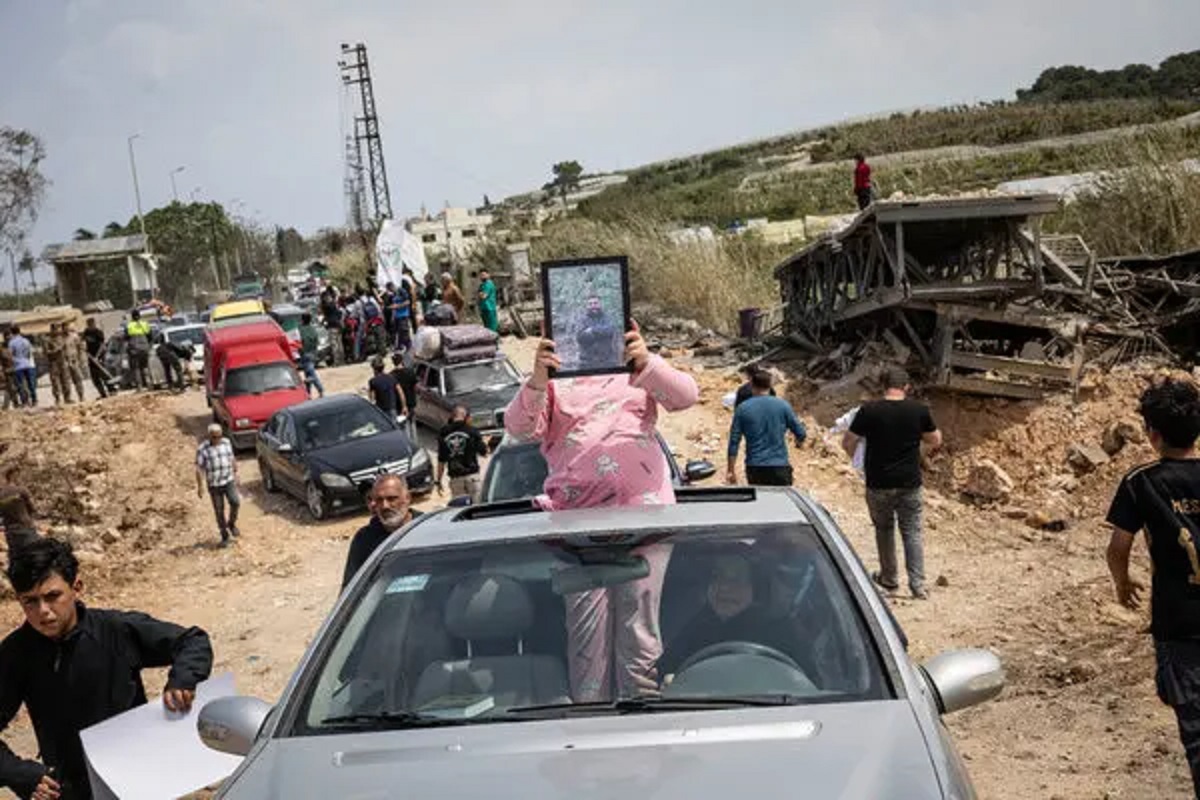
Displacement continues as civilians attempt to return home
Hezbollah–Israel tensions remain unresolved beneath the ceasefire
Analysts warn the truce may be “structurally unstable”
Broader regional tensions involving Iran and maritime security persist
What Triggered the Latest Escalation?
The current tension follows reports of renewed military activity in southern Lebanon, with Lebanese army officials alleging that Israel carried out operations despite the ceasefire agreement. The truce, initially framed as a short-term stabilization measure, was supported by diplomatic coordination involving the United States and regional partners.
According to reporting from Arab News and The New York Times, thousands of displaced Lebanese civilians had begun returning south when new explosions disrupted movement along key routes. Israeli authorities, however, have not fully confirmed the scope of recent operations.
Security analysts suggest the situation reflects a “conditional ceasefire,” where both sides maintain operational readiness despite formal agreements.
Public Reaction and Ground Reality
On the ground, uncertainty is defining daily life. Civilians attempting to return to southern Lebanon described confusion and fear as renewed incidents disrupted movement.
One resident told international media:
“We thought the war was stopping, but the sky told a different story.”
Social media platforms have also seen rising concern, with users questioning whether the ceasefire is meaningful or merely symbolic.
A regional security expert quoted by multiple outlets including BBC Arabic noted that such ceasefires often act as “temporary pauses rather than structural resolutions,” especially when core political disputes remain unresolved.
Why the Ceasefire Is Under Pressure
The Israel–Lebanon conflict is deeply tied to long-standing tensions involving Hezbollah and broader regional power struggles.
1. Unresolved Strategic Conflict
The ceasefire does not address core political and military disagreements between Israel and Hezbollah, leaving underlying tensions intact.
2. Regional Spillover Effects
The broader Middle East environment, including Iran–U.S. dynamics and Strait of Hormuz concerns, is amplifying instability.
3. Trust Deficit Between Parties
Both sides continue to accuse each other of violations, weakening enforcement mechanisms.
4. Civilian Displacement Crisis
Thousands of displaced families are attempting to return, creating logistical and humanitarian pressure.
Experts warn that without a monitoring framework with stronger enforcement, the ceasefire risks becoming “a pause in conflict rather than a path to peace.”
What Other Reports Missed
While most coverage focuses on immediate clashes, a deeper issue is emerging beneath the surface: the absence of a verified enforcement structure for the ceasefire.
Unlike traditional UN-monitored peace arrangements, this agreement appears to rely heavily on diplomatic assurances rather than a robust on-ground verification system. This creates ambiguity over what actually counts as a violation.
Additionally, the overlap of multiple regional crises—especially maritime tensions involving Iran and energy routes—means Lebanon is not operating in isolation. Instead, it is part of a wider geopolitical pressure system that can reignite conflict quickly.
This interconnected instability is what many surface-level reports fail to emphasize.
Historical Context: Why This Conflict Repeats
The Israel–Lebanon conflict has repeatedly followed cycles of escalation and temporary truce since the early 2000s. Past ceasefires have often collapsed due to:
Border skirmishes
Missile exchanges
Political breakdowns in negotiations
External regional interventions
The current situation mirrors earlier patterns, where temporary diplomatic agreements fail to address structural conflict drivers.
What Happens Next
The coming days will determine whether the ceasefire stabilizes or unravels further. Key indicators to watch include:
Confirmation or denial of recent strike reports
International diplomatic pressure, especially from the United States
Civilian return flow to southern Lebanon
Any UN or regional monitoring intervention
If violations continue, analysts warn the region could slide back into sustained conflict within weeks.
FAQs
1. Is the Israel–Lebanon ceasefire still active?
Yes, but reports suggest multiple alleged violations are undermining its stability.
2. Who is monitoring the ceasefire?
Diplomatic oversight exists, but enforcement appears limited and inconsistent.
3. Are civilians returning to southern Lebanon?
Yes, but movement has been disrupted due to renewed security incidents.
4. What role does Hezbollah play in this conflict?
Hezbollah remains a central actor in tensions with Israel, contributing to ongoing instability.
5. Could the ceasefire collapse completely?
Analysts warn that without stronger enforcement, the agreement remains highly fragile.
Hello! I'm M Muzamil Shami, the founder and lead editor of Star Struck Times, your trusted source for trending news, entertainment scoops, celebrity gossip, sports highlights, and global headlines.
With a passion for storytelling and journalism, I created this platform to bring you breaking news, viral moments, and deep insights into the worlds of Bollywood, Hollywood, sports, politics, tech, and more — all in one place.