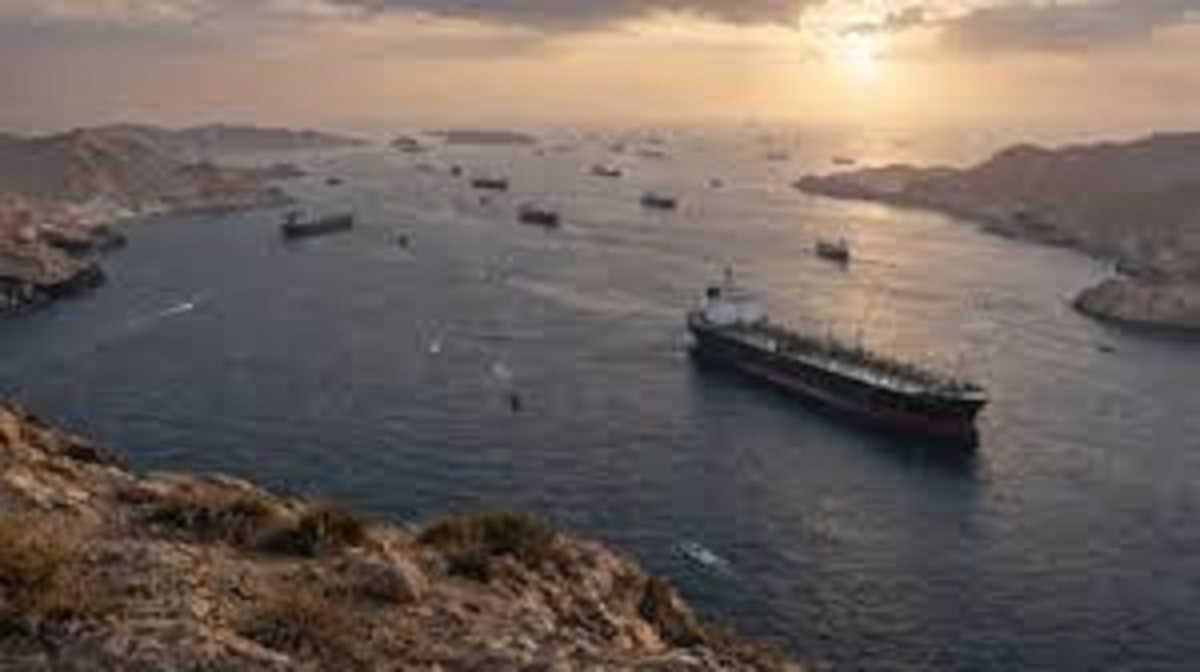
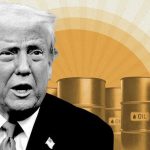
Strait of Hormuz remains open as Iran allows commercial shipping during ceasefire
Karachi, Pakistan, April 17, 2026, 12:10 PM — Star Struck Times
Iran has officially declared the Strait of Hormuz fully open to commercial shipping during the ongoing Israel-Lebanon ceasefire, a move that could significantly ease global energy concerns and stabilize volatile markets. The announcement comes amid heightened geopolitical tensions that had previously threatened one of the world’s most critical oil transit routes. Early signals from international shipping firms suggest cautious optimism, while analysts warn the situation remains fluid. For more updates, visit Star Struck Times Middle East coverage.
Key Highlights
Iran confirms full access to Strait of Hormuz for commercial vessels
Decision tied to temporary Israel-Lebanon ceasefire window
Global oil markets react with early stability signals
Experts warn geopolitical risks are not fully resolved
What Exactly Happened?
Iranian authorities announced that the Strait of Hormuz will remain open to all commercial shipping traffic for the duration of the current ceasefire between Israel and Lebanon. This strategic waterway, which handles nearly one-fifth of the world’s oil supply, has long been a focal point during regional conflicts.
According to statements reported by international outlets such as Reuters, BBC, and CNBC, Iran’s move is aimed at preventing further economic disruption and sending a signal of controlled de-escalation.
The ceasefire, brokered after days of escalating cross-border tensions, created a temporary window for diplomatic and economic stabilization. Iran’s decision appears to align with broader regional efforts to avoid further escalation that could impact global markets.
Global Reactions and Market Response
The international response has been immediate but measured. Oil prices, which had shown volatility earlier in the week, began stabilizing following the announcement.
Energy analysts suggest that reopening the Strait of Hormuz is a calculated move designed to reassure global investors and trading partners.
A senior shipping executive quoted in financial media stated: “We’re seeing vessels cautiously re-enter key routes, but companies are still monitoring risks closely.”
Meanwhile, public sentiment on social media reflects mixed reactions. Some users welcomed the move as a step toward stability, while others expressed skepticism over how long the ceasefire—and open shipping access—will last.
Why the Strait of Hormuz Matters So Much
The Strait of Hormuz is not just another shipping lane—it is the backbone of global oil logistics. Approximately 20% of the world’s petroleum passes through this narrow corridor daily.
Any disruption here has immediate ripple effects:
Rising fuel prices
Increased shipping costs
Global inflation pressures
Historically, even minor tensions in the region have triggered spikes in oil prices. This makes Iran’s announcement particularly significant, even if temporary.
Historical Context: A Repeated Flashpoint
This is not the first time the Strait of Hormuz has been at the center of geopolitical tensions. Over the past decades, conflicts involving Iran, the United States, and regional allies have repeatedly raised concerns about potential blockades.
However, full closure has been rare due to the global economic consequences it would trigger.
What makes this situation unique is the linkage between the ceasefire and shipping access—suggesting a tactical approach rather than a long-term policy shift.
Unique Angle: Strategic Signaling, Not Just Access
While headlines focus on the reopening, experts believe this move is more about strategic signaling than logistics.
By keeping the Strait open, Iran may be:
Attempting to position itself as a responsible regional actor
Avoiding direct confrontation with global economic powers
Maintaining leverage without escalating conflict
A geopolitical analyst noted: “This is less about shipping and more about messaging. Iran is showing it can control escalation without losing influence.”
This angle is often overlooked but critical for understanding the broader implications.
What Happens Next?
The key question now is whether this openness will last beyond the ceasefire.
Several scenarios are possible:
Ceasefire holds → continued shipping stability
Ceasefire collapses → renewed risk to global supply chains
Diplomatic progress → longer-term de-escalation
For now, global markets remain cautiously optimistic, but all eyes are on developments in the region over the coming days.
FAQs
1. Is the Strait of Hormuz fully open now? Yes, Iran has declared it open to commercial shipping during the ceasefire period.
2. Why is the Strait of Hormuz important? It carries about 20% of the world’s oil supply, making it critical for global energy markets.
3. Will oil prices drop after this announcement? Prices may stabilize, but long-term impact depends on how long the ceasefire lasts.
4. Is it safe for ships to pass through? Shipping companies are resuming operations cautiously, indicating partial confidence.
5. What happens if the ceasefire ends? There could be renewed risks, including potential disruptions to shipping routes.
Sources
Reuters – Middle East developments BBC – Live global coverage CNBC – Market and energy analysis Al Jazeera – Regional insights
Hello! I'm M Muzamil Shami, the founder and lead editor of Star Struck Times, your trusted source for trending news, entertainment scoops, celebrity gossip, sports highlights, and global headlines.
With a passion for storytelling and journalism, I created this platform to bring you breaking news, viral moments, and deep insights into the worlds of Bollywood, Hollywood, sports, politics, tech, and more — all in one place.