Oil prices plunge as Strait of Hormuz reopens following Iran ceasefire deal
Karachi, Pakistan, April 8, 2026, 2:00 PM — Star Struck Times
Global oil prices plunged sharply on Wednesday after a surprise ceasefire agreement between the United States and Iran led to the reopening of the Strait of Hormuz, a critical global oil transit route. The breakthrough, brokered by Pakistan under a two-week diplomatic framework, immediately calmed markets that had been rattled by weeks of escalating tensions. For energy-dependent economies and investors worldwide, the development signals potential relief—but also raises urgent questions about how long stability will last.
Key Highlights
Oil prices dropped significantly within hours of the ceasefire announcement
The Strait of Hormuz, handling ~20% of global oil supply, has reopened
Pakistan played a key diplomatic role in brokering the two-week agreement
Global stock markets surged on easing geopolitical tensions
Analysts warn the deal remains fragile and short-term
Energy markets remain highly sensitive to Middle East developments
What Triggered the Sudden Oil Price Collapse?
The sharp fall in oil prices—nearly 8% intraday in benchmark Brent crude—came immediately after confirmation that the Strait of Hormuz had reopened following weeks of disruption.
The Strait, located between Oman and Iran, is one of the most vital oil chokepoints in the world. During the recent escalation, shipping disruptions and security concerns caused oil prices to spike above $110 per barrel, triggering inflation fears globally.
However, the ceasefire deal—reportedly finalized late on April 7, 2026—restored confidence almost instantly.
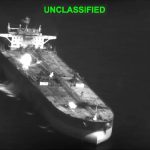
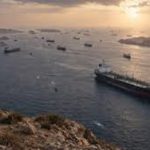
According to early reports from Reuters and Bloomberg, tanker traffic resumed within hours of the announcement, with insurance premiums for shipments already beginning to decline.
An energy analyst at Goldman Sachs noted:
“Markets were pricing in worst-case scenarios. The reopening of Hormuz has removed immediate supply fears—but not long-term risk.”
Pakistan’s Diplomatic Role in the Ceasefire Deal
One of the most unexpected elements of the agreement is Pakistan’s central role in mediating the ceasefire between Washington and Tehran.
Diplomatic sources cited by Al Jazeera indicate that backchannel negotiations began quietly weeks earlier, with Pakistan acting as a neutral intermediary trusted by both sides.
The agreement reportedly includes:
A two-week ceasefire period
Temporary de-escalation of naval presence in the Gulf
A framework for extended negotiations if initial terms hold
Officials in Islamabad have not publicly disclosed full details, but a senior government representative stated:
“This is a critical step toward regional stability. The focus now is ensuring compliance from both sides.”
This development positions Pakistan as a rising diplomatic player in high-stakes global negotiations—an angle largely underexplored in Western coverage.
Global Markets React: Stocks Surge, Safe Havens Slide
The immediate financial reaction was dramatic:
Global stock indices surged, with Asian and European markets posting gains of 2–4%
Oil companies saw mixed performance, with upstream firms declining while transport sectors rallied
Gold prices dipped, reflecting reduced demand for safe-haven assets
Investors, who had been bracing for prolonged disruption, quickly shifted back toward risk-on sentiment.
A senior strategist at Morgan Stanley remarked:
“This is a textbook geopolitical unwind trade—oil down, equities up, volatility easing.”
However, market experts caution that this optimism may be short-lived if tensions resurface.
Why the Strait of Hormuz Matters More Than Ever
The Strait of Hormuz is not just another shipping route—it is the lifeline of global energy supply.
Roughly 21 million barrels of oil pass through daily
It connects major oil producers like Saudi Arabia, UAE, and Kuwait to global markets
Any disruption directly impacts fuel prices, inflation, and economic growth worldwide
Historically, even minor incidents in the region have triggered massive market swings.
The current crisis echoes past tensions, including the 2019 tanker attacks and earlier US-Iran confrontations, but with even higher stakes due to fragile global economic conditions.
A Fragile Peace: What Experts Are Warning
Despite the positive market response, analysts stress that the ceasefire is temporary and highly fragile.
Key risks include:
The limited two-week duration of the agreement
Lack of a long-term political resolution
Potential for proxy conflicts in the region to escalate independently
A Middle East policy expert from the Brookings Institution explained:
“This is not peace—it’s a pause. Markets are reacting to immediate relief, not a permanent solution.”
Public sentiment also reflects cautious optimism.
One social media user wrote:
“Good news for now, but we’ve seen this movie before.”
Another commented:
“If Hormuz closes again, oil could spike even higher next time.”
The Untold Angle: Energy Transition Pressure Intensifies
While most coverage focuses on price movements, a deeper implication is emerging—this crisis reinforces the urgency of reducing dependence on oil chokepoints.
Countries already investing in renewable energy may accelerate plans to:
Diversify energy sources
Reduce reliance on Middle East oil
Strengthen strategic reserves
Ironically, short-term relief in oil prices could delay these transitions—but repeated crises like this one make long-term change inevitable.
What Happens Next?
The next two weeks will be critical.
Key developments to watch:
Whether both sides adhere to ceasefire terms
Progress in extended diplomatic negotiations
Stability of shipping operations in the Strait
Market reactions to any signs of renewed tension
If the ceasefire holds, oil prices may stabilize or decline further. If it collapses, markets could face another sharp shock—possibly even more severe than the last.
FAQs
1. Why did oil prices fall so suddenly?
Oil prices dropped due to the reopening of the Strait of Hormuz, easing fears of supply disruption.
2. What is the Strait of Hormuz?
It is a key global oil shipping route through which about 20% of the world’s oil passes.
3. How long is the US-Iran ceasefire?
The current agreement is set for two weeks, with potential for extension.
4. Why is Pakistan involved in the deal?
Pakistan acted as a neutral mediator, facilitating negotiations between the US and Iran.
5. Will oil prices stay low?
Prices may remain stable if the ceasefire holds, but risks of volatility remain high.
Hello! I'm M Muzamil Shami, the founder and lead editor of Star Struck Times, your trusted source for trending news, entertainment scoops, celebrity gossip, sports highlights, and global headlines.
With a passion for storytelling and journalism, I created this platform to bring you breaking news, viral moments, and deep insights into the worlds of Bollywood, Hollywood, sports, politics, tech, and more — all in one place.