Global markets react as US–Iran tensions shift and oil prices fall
Washington, United States | Updated: May 6, 2026 — Star Struck Times
Latest updates in our World News section indicate rapidly shifting developments in the US–Iran standoff, where military decisions, diplomatic signals, and global oil markets are reacting in real time.
Reports from multiple international outlets including Reuters, BBC, and The Washington Post suggest that tensions between the United States and Iran may be entering a critical turning point, as signs of a possible peace framework begin to emerge.
KEY HIGHLIGHTS
Donald Trump warns Iran of stronger strikes if peace deal fails
Strait of Hormuz military operation temporarily paused
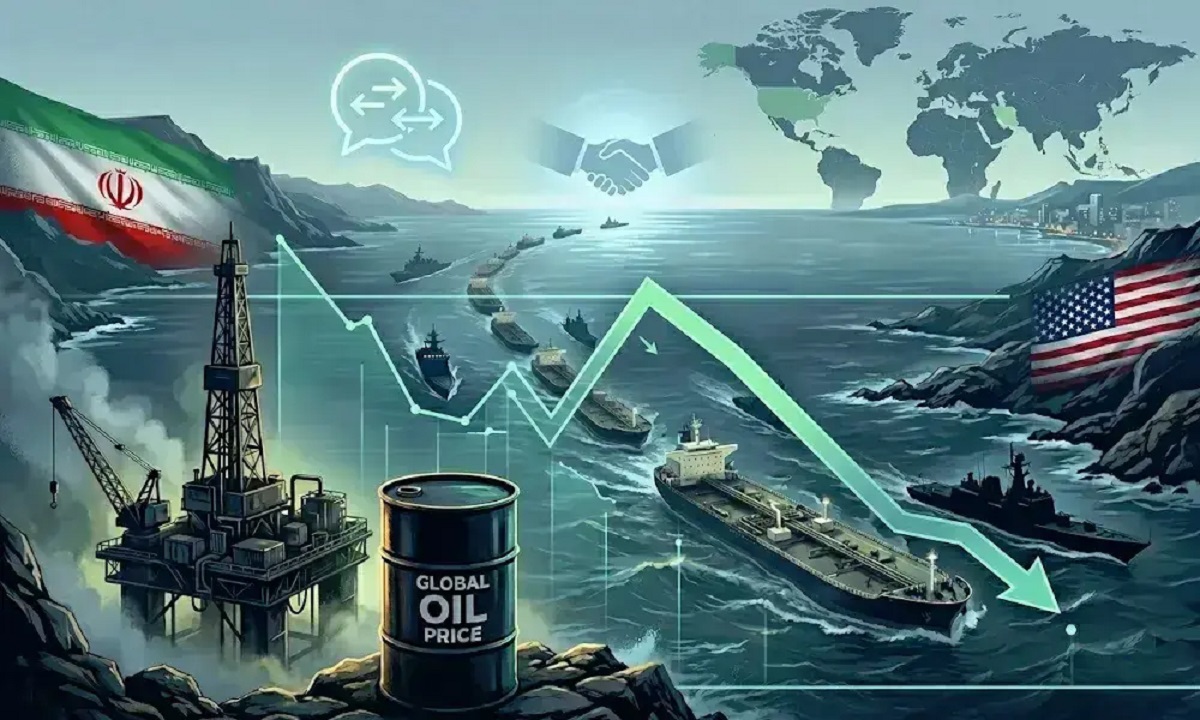
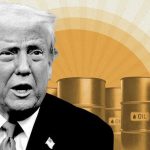
Oil prices drop sharply amid ceasefire and deal speculation
US and Iran reportedly close to a preliminary agreement memo
Global stock markets react with strong gains
Analysts question whether war escalation is actually ending
WHAT IS HAPPENING BETWEEN US AND IRAN?
The situation escalated rapidly after former US President Donald Trump warned that military strikes against Iran could return “at a higher level than before” if a peace agreement is not finalized.
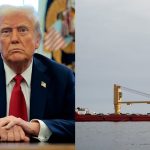
Shortly after, Trump reportedly ordered a pause in the military operation involving the Strait of Hormuz, one of the world’s most critical oil transport routes. According to The Washington Post, the decision came just 50 hours after the operation was initially announced, signaling a sudden strategic shift.
Reuters and BBC both reported that behind-the-scenes diplomatic discussions are ongoing, with sources suggesting that the United States and Iran may be close to agreeing on a preliminary “one-page memo” aimed at reducing hostilities.
STRAIT OF HORMUZ: WHY IT MATTERS
The Strait of Hormuz is one of the most important energy chokepoints in the world, responsible for a significant share of global oil transport.
The temporary suspension of military activity in the region has triggered immediate global reactions. Analysts say even minor disruptions in this area can cause major fluctuations in oil prices and global inflation expectations.
A senior geopolitical analyst told Reuters:
“Any pause in military escalation in the Strait of Hormuz instantly stabilizes global markets, even if temporarily.”
OIL MARKETS REACT SHARPLY
Financial markets responded within minutes of the reports.
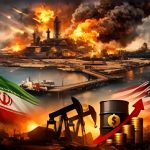
Oil prices dropped sharply
Stock markets surged globally
Gas prices briefly crossed volatility thresholds in the US market
According to NBC News, investors reacted strongly to speculation that the US and Iran may be approaching a diplomatic framework to end the conflict.
BBC reported similar market behavior, noting that traders are pricing in “de-escalation expectations rather than conflict continuation.”
US–IRAN DEAL TALKS: REAL OR RUMOR?
Multiple sources including Reuters and Al Jazeera suggest that discussions are ongoing over a possible phased agreement.
One of the most discussed points is whether the US has accepted Iran’s demand to prioritize the Strait of Hormuz issue before addressing nuclear negotiations.
However, officials have not confirmed any final agreement, and most reports still describe the situation as “early-stage and uncertain.”
WHAT OTHER REPORTS MISSED
While most headlines focus on oil prices and Trump’s statements, a deeper layer is emerging:
The timing of the Hormuz pause suggests internal pressure from global allies concerned about energy stability
Market reactions appear to be influencing diplomatic urgency more than military outcomes
The “one-page memo” format indicates this may be a temporary de-escalation step, not a full peace treaty
This suggests the situation may be less about immediate peace and more about controlled stabilization under economic pressure.
WHY THIS STORY MATTERS
This is not just a political update — it is a global economic trigger event.
Experts believe the next 48–72 hours are critical. If negotiations progress, markets could stabilize further. However, if talks collapse, analysts warn that military escalation could return quickly.
As one geopolitical expert summarized:
“This is not an ending — it is a pause in a much larger cycle.”
FAQs
1. Why did Trump pause the Hormuz operation?
Reports suggest it was paused to allow time for potential peace negotiations.
2. Are US and Iran really close to a deal?
Sources indicate early-stage discussions, but no confirmed agreement yet.
3. Why are oil prices falling?
Markets are reacting to possible de-escalation in the conflict.
4. What is the Strait of Hormuz?
It is a key global oil transit route linking Gulf producers to international markets.
5. Could war still happen?
Yes. Officials have not ruled out renewed escalation if talks fail.
Hello! I'm M Muzamil Shami, the founder and lead editor of Star Struck Times, your trusted source for trending news, entertainment scoops, celebrity gossip, sports highlights, and global headlines.
With a passion for storytelling and journalism, I created this platform to bring you breaking news, viral moments, and deep insights into the worlds of Bollywood, Hollywood, sports, politics, tech, and more — all in one place.