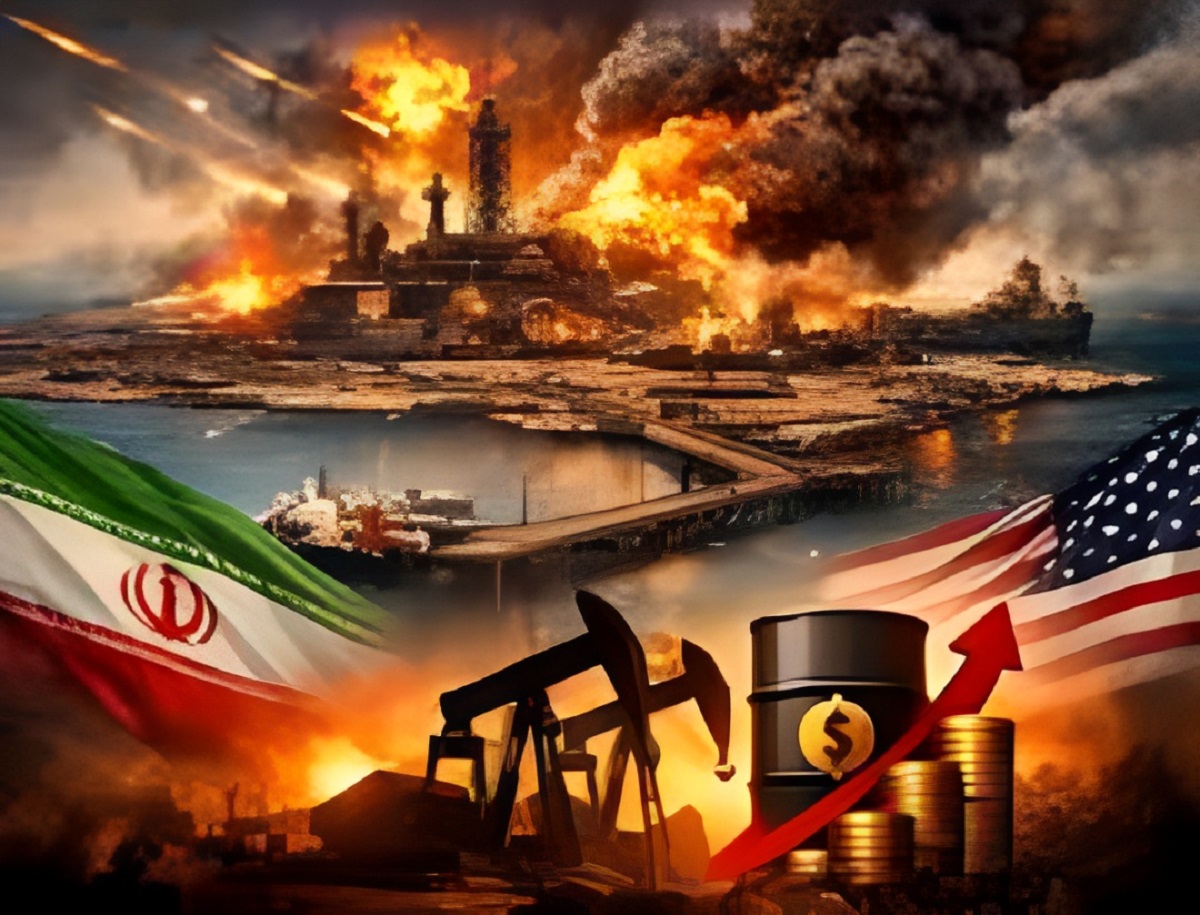
The oil crisis driven by escalating US–Iran tensions has entered a dangerous new phase after reported attacks on commercial vessels in the Strait of Hormuz, one of the world’s most critical energy chokepoints. Within hours, oil prices surged past $100 per barrel, shipping routes faced disruption, and global markets reacted sharply. According to reporting by organizations such as the United Nations, Reuters, and regional security analysts, this unfolding crisis is no longer a regional conflict—it is rapidly becoming a global economic and geopolitical emergency.
For more global developments, visit our World News section on Star Struck Times.
Key Highlights
Three commercial vessels reportedly attacked in the Strait of Hormuz
US naval forces intensify blockade measures against Iran
Over 30 ships forced to reroute amid rising maritime threats
Global markets show volatility as energy uncertainty deepens
Emergency diplomatic talks expected within 72 hours
What Happened in the Strait of Hormuz?
The Strait of Hormuz, a narrow maritime passage between Iran and Oman, handles nearly 20% of global oil supply. On April 23, multiple cargo vessels reported being targeted in what maritime security sources describe as coordinated attacks.
While official confirmation remains limited, early intelligence cited by Reuters suggests that armed engagement occurred near high-traffic oil lanes. Shipping companies have begun rerouting vessels, and insurance premiums for transit through the region have already increased significantly.
A senior maritime analyst told regional media: “Any sustained disruption here is not just a regional issue—it’s a global economic shock waiting to unfold.”
US–Iran Confrontation Intensifies
The latest incidents come amid rising tensions between the United States Department of Defense and Iranian authorities. The US has reportedly tightened its naval presence in the Gulf, enforcing stricter monitoring and control measures on vessels suspected of violating sanctions.
Iran, on the other hand, has rejected calls for de-escalation unless the blockade is lifted. According to Al Jazeera, more than 30 commercial ships were forced to turn back or alter course due to heightened military activity.
This dual-layered conflict—military and economic—is what makes the situation particularly volatile. It is not just about direct confrontation, but also about control over one of the world’s most critical energy arteries.
Oil Prices Surge and Global Markets React
Within hours of the reported attacks, oil prices crossed the $100 mark, signaling immediate panic in global energy markets. Analysts from Bloomberg warn that if disruptions continue, prices could climb further, triggering:
Higher fuel prices worldwide
Increased food production costs
Inflation spikes across developing and developed economies
In the United Kingdom, early indicators already show inflation climbing due to rising energy costs. Financial markets in Asia and Europe also recorded volatility as investors reacted to uncertainty.
A London-based economist noted: “This is not just an oil story—it’s a cost-of-living crisis in the making.”
Why This Crisis Matters Beyond the Middle East
Unlike previous regional conflicts, this crisis directly threatens global supply chains. The Strait of Hormuz is not easily replaceable, and alternative routes are limited and costly.
Countries heavily dependent on imported oil—including those in South Asia—may face immediate economic pressure. For Pakistan and similar economies, the impact could be felt through:
Rising petrol prices
Increased electricity tariffs
Pressure on foreign exchange reserves
Hidden Context: What Other Reports Missed
While most coverage focuses on military escalation and oil prices, a deeper layer of the crisis is emerging—economic warfare through maritime control.
Experts suggest this is not merely about conflict, but about strategic dominance over global energy logistics. By influencing shipping routes and risk levels, both sides are effectively shaping global markets without direct large-scale warfare.
This tactic has historical parallels but is now amplified by modern global dependency on uninterrupted energy flow. In simple terms, control over shipping lanes may matter more than battlefield victories.
Historical Context: A Pattern Repeating?
The Strait of Hormuz has long been a flashpoint in global politics. During previous tensions in the early 2000s and late 2010s, similar threats led to temporary spikes in oil prices—but not at this scale of interconnected economic impact.
What makes 2026 different is the fragile global economy, already dealing with post-pandemic recovery challenges and inflation pressures. This amplifies the consequences of any disruption.
What Happens Next?
Diplomatic efforts are expected within the next 48–72 hours, with backchannel talks reportedly underway through international mediators, including the United Nations.
However, if no agreement is reached:
Oil prices may continue rising
Shipping disruptions could worsen
Global recession fears may intensify
The next few days will be critical in determining whether this remains a contained crisis—or escalates into a broader global emergency.
FAQs
1. Why is the Strait of Hormuz important? It carries about 20% of the world’s oil supply, making it a vital global energy route.
2. What caused the latest oil price surge? Attacks on ships and rising US–Iran tensions disrupted supply expectations.
3. How does this affect everyday people? Higher oil prices lead to increased fuel, food, and electricity costs.
4. Is a full-scale war likely? While tensions are high, diplomatic talks are still ongoing to prevent escalation.
5. Which countries are most affected? Oil-importing nations, especially in Asia and Europe, face the biggest impact.
Hello! I'm M Muzamil Shami, the founder and lead editor of Star Struck Times, your trusted source for trending news, entertainment scoops, celebrity gossip, sports highlights, and global headlines.
With a passion for storytelling and journalism, I created this platform to bring you breaking news, viral moments, and deep insights into the worlds of Bollywood, Hollywood, sports, politics, tech, and more — all in one place.