Trump announces Israel Lebanon 10-day ceasefire amid rising tensions
Washington D.C., United States — Star Struck Times
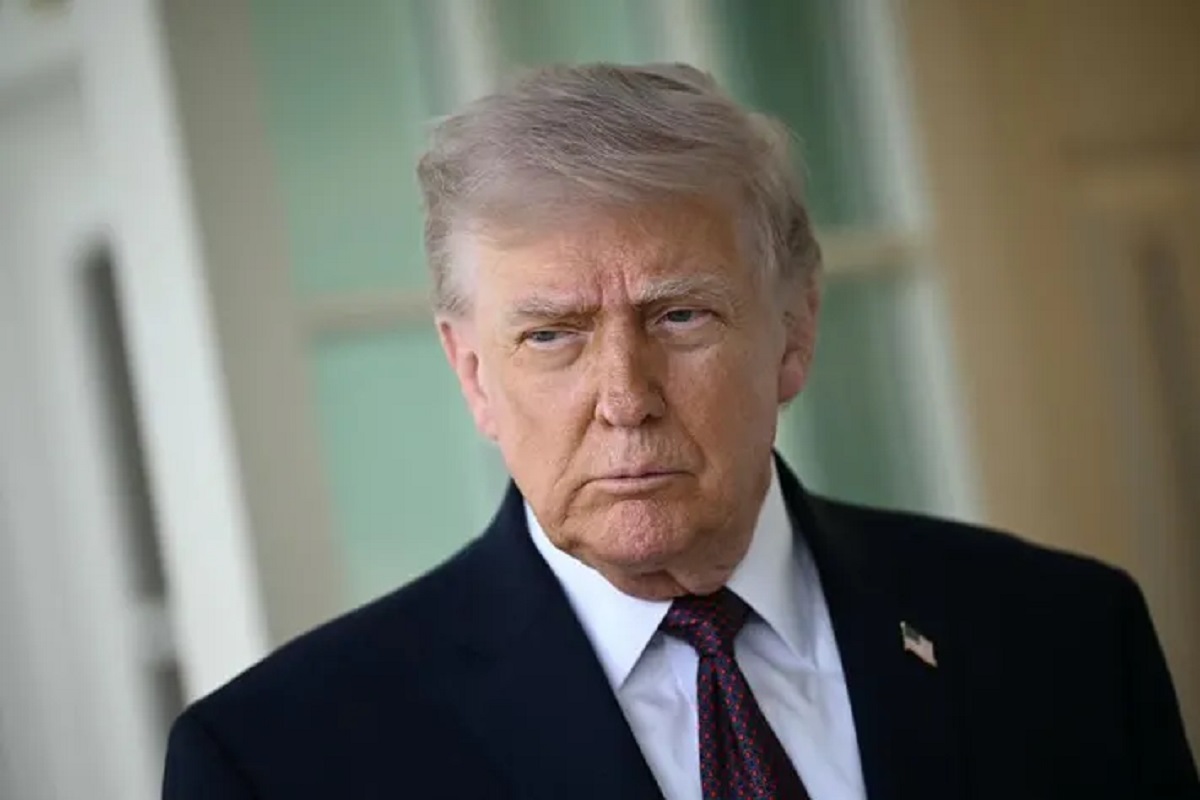
A sudden diplomatic breakthrough has emerged as former U.S. President Donald Trump announced that Israel and Lebanon have agreed to a 10-day ceasefire set to begin within hours. The development, revealed after what Trump described as “excellent conversations” with both sides, could temporarily halt escalating cross-border tensions. The announcement comes amid rising international concern over regional instability, civilian safety, and the risk of a broader Middle East conflict—making this ceasefire a critical moment for global diplomacy.
For more geopolitical updates, visit our World News section on Star Struck Times.
Key Highlights
Israel and Lebanon agree to a 10-day ceasefire
Ceasefire expected to begin within hours of announcement
Israeli troops reportedly to remain in position during pause
Talks for a longer-term agreement expected next week
Global leaders cautiously welcome the temporary truce
The announcement was first reported by major international outlets including BBC, Al Jazeera, and The Guardian. According to statements attributed to Trump, both Israeli and Lebanese leadership agreed to pause hostilities starting at 5:00 PM EST, which aligns with midnight in Beirut.
While the ceasefire is temporary, it signals a rare moment of alignment between two long-standing adversaries. Notably, Israeli officials have indicated that troops will remain on the ground, suggesting that this is not a full de-escalation but rather a controlled pause.
A senior Middle East analyst described the move as “a tactical breather rather than a strategic resolution,” emphasizing that underlying tensions remain unresolved.
Global Reactions: Hope Mixed with Skepticism
International reactions have been swift but measured. European Union officials welcomed the announcement, calling it a “step toward reducing civilian suffering,” while urging both sides to commit to longer-term peace efforts.
On social media, public reactions reflect a mix of relief and doubt:
“A ceasefire is good news, but we’ve seen these collapse before,” one user posted.
“If this holds, even for 10 days, it could save lives,” another wrote.
Meanwhile, regional stakeholders, including Iran and Gulf nations, have yet to issue full responses, leaving uncertainty about broader geopolitical implications.
Why This Ceasefire Matters Now
This development comes at a particularly volatile time. Recent weeks have seen increased cross-border exchanges, raising fears of a wider conflict that could draw in multiple regional powers.
From an expert perspective, the ceasefire could serve as a confidence-building measure, potentially paving the way for structured peace talks if both sides adhere to the agreement.
Historical Context: A Fragile Relationship
Israel and Lebanon have a long history of conflict, including the 2006 war and ongoing tensions involving Hezbollah. Temporary ceasefires have occurred before, but many have collapsed due to violations or lack of enforcement mechanisms.
What makes this situation unique is the involvement of an external political figure like Trump, who claims to have directly facilitated the agreement. However, without formal backing from current U.S. leadership or international bodies like the United Nations, questions remain about enforcement and legitimacy.
A Unique Angle: Is This Political Strategy or Peace Effort?
One aspect not widely discussed is the timing and political dimension of the announcement. With global elections and shifting alliances underway, some analysts believe this move could also carry political motivations beyond pure diplomacy.
Could this ceasefire be part of a broader geopolitical repositioning? Or is it a genuine attempt to stabilize the region?
The answer may become clearer in the coming days as more details emerge about the planned follow-up meeting between Israeli and Lebanese leaders.
What Happens Next
The next 10 days will be crucial. If the ceasefire holds:
Formal peace talks may begin
International mediators could step in
Humanitarian efforts may expand
However, any violation could quickly reignite tensions.
All eyes are now on both governments—and whether this fragile pause can evolve into something more lasting.
FAQs
1. What is the Israel Lebanon ceasefire? It is a temporary 10-day agreement to stop hostilities between Israel and Lebanon.
2. When does the ceasefire start? It is expected to begin within hours of the announcement, around 5 PM EST.
3. Will Israeli troops withdraw? No, reports indicate troops will remain on the ground during the ceasefire.
4. Who brokered the ceasefire? Donald Trump claims he facilitated the agreement through discussions with both sides.
5. What happens after 10 days? Leaders are expected to meet and discuss a longer-term peace solution.
Hello! I'm M Muzamil Shami, the founder and lead editor of Star Struck Times, your trusted source for trending news, entertainment scoops, celebrity gossip, sports highlights, and global headlines.
With a passion for storytelling and journalism, I created this platform to bring you breaking news, viral moments, and deep insights into the worlds of Bollywood, Hollywood, sports, politics, tech, and more — all in one place.