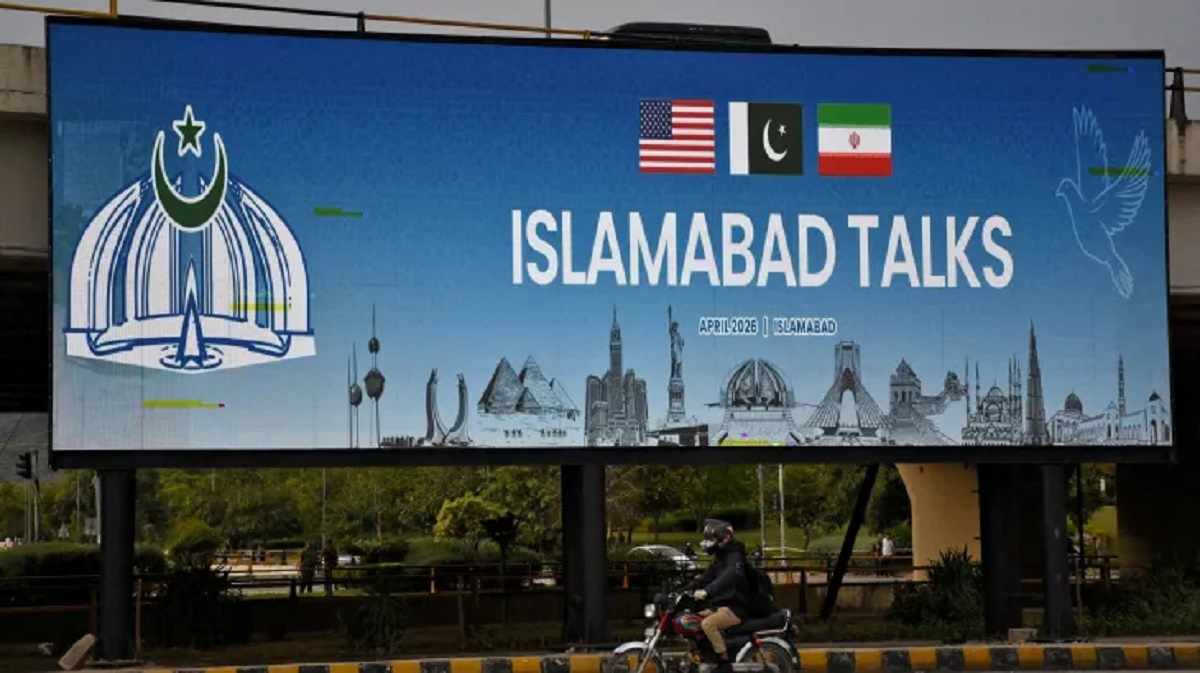
US and Iran delegations arrive in Pakistan for critical peace talks
Islamabad, Pakistan, April 11, 2026 — Star Struck Times
High-stakes diplomacy unfolded in Pakistan on Saturday as delegations from the United States and Iran arrived in Islamabad for crucial ceasefire talks amid escalating tensions in the Middle East. The negotiations, confirmed by multiple international outlets including BBC, Al Jazeera, and CNN, aim to de-escalate a rapidly intensifying conflict that has raised global security concerns. With regional stability hanging in the balance, Pakistan’s role as host signals a strategic diplomatic pivot that could reshape geopolitical alliances.
US and Iranian envoys have arrived in Islamabad for urgent peace talks
Pakistan steps in as a neutral mediator amid rising Middle East tensions
Talks focus on ceasefire conditions and preventing regional escalation
Global powers closely monitoring outcomes of the negotiations
Analysts say this could redefine Pakistan’s diplomatic standing
What Happened in Islamabad?
Delegations from Washington and Tehran landed in Islamabad early Saturday morning, marking the beginning of what experts are calling one of the most critical diplomatic engagements in recent years.
According to reports from BBC News and Al Jazeera, the talks are expected to center on establishing a conditional ceasefire framework, potentially halting weeks of rising hostilities. While the exact agenda remains confidential, insiders suggest discussions will include military de-escalation, sanctions relief, and regional security guarantees.
Pakistan’s Foreign Office has not disclosed full details but confirmed that “constructive dialogue” is underway. Security in Islamabad has been heightened, particularly around diplomatic zones, signaling the importance and sensitivity of the negotiations.
Global Reactions and Diplomatic Signals
World leaders and international organizations are watching closely. The United Nations has expressed cautious optimism, urging both sides to “seize the moment for peace.”
A senior Western diplomat, speaking anonymously to The Guardian, said:
“This is a rare opportunity. If both sides show flexibility, we could see a meaningful breakthrough.”
Meanwhile, public reactions across social media reflect a mix of hope and skepticism. One user wrote:
“Peace talks are good—but we’ve seen this before. Will it actually change anything?”
In Iran, state-affiliated media emphasized sovereignty and resistance, while US officials maintained a tone of cautious diplomacy.
Why Pakistan Matters in This Crisis
Pakistan’s role as host is not accidental. Historically, Islamabad has maintained diplomatic channels with both Washington and Tehran, positioning itself as a rare bridge between opposing sides.
This move signals Pakistan’s growing ambition to act as a regional power broker. Political analyst Dr. Hamid Raza explains:
“Pakistan is leveraging its neutral stance to reassert itself globally. Hosting these talks enhances its credibility in international diplomacy.”
Additionally, Pakistan’s geographic proximity to the Middle East and its strategic alliances make it an ideal venue for discreet negotiations.
Historical Context: A Long Road to Dialogue
Tensions between the US and Iran have spanned decades, marked by conflicts, sanctions, and failed diplomatic attempts. From the 1979 Iranian Revolution to recent proxy conflicts, the relationship has been deeply strained.
Previous negotiations, including the 2015 nuclear deal (JCPOA), showed that diplomacy is possible—but fragile. Since then, trust has eroded, making current talks both urgent and complex.
What sets this moment apart is the involvement of a third-party mediator like Pakistan, which could introduce a fresh dynamic into otherwise stalled negotiations.
A Unique Angle: Pakistan’s Quiet Power Play
While global focus remains on the US and Iran, the real strategic winner could be Pakistan.
By hosting these talks, Pakistan is signaling its return to high-level diplomacy after years of internal and regional challenges. This could open doors for future mediation roles, economic partnerships, and geopolitical influence.
Experts believe this move aligns with Pakistan’s broader foreign policy shift—moving from a reactive stance to a proactive diplomatic strategy.
What Happens Next?
The coming days will be critical. If initial talks yield progress, follow-up meetings could be scheduled, possibly involving additional stakeholders such as European nations or Gulf states.
However, failure to reach consensus could further escalate tensions, potentially triggering wider regional instability.
For now, the world watches Islamabad—waiting to see whether diplomacy can succeed where conflict has long prevailed.
FAQs
Does Pakistan support the US or Iran?
Pakistan maintains a neutral stance and seeks balanced relations with both countries. Its role in hosting talks reflects its position as a mediator rather than a supporter.
How many US soldiers are dead in Iran?
There is no confirmed large-scale deployment of US troops in Iran, and casualty figures remain unclear or minimal in direct conflict scenarios.
Who negotiated the ceasefire between Israel and Iran?
No formal ceasefire has been universally recognized between Israel and Iran. Various international actors, including the UN, have attempted mediation in broader regional conflicts.
Who is more powerful between Iran and Pakistan?
Both countries have different strengths. Iran has a strong regional military presence, while Pakistan holds nuclear capability and strategic alliances.
Why are US-Iran talks happening in Pakistan?
Pakistan offers a neutral ground with diplomatic ties to both nations, making it an ideal venue for sensitive negotiations.
Hello! I'm M Muzamil Shami, the founder and lead editor of Star Struck Times, your trusted source for trending news, entertainment scoops, celebrity gossip, sports highlights, and global headlines.
With a passion for storytelling and journalism, I created this platform to bring you breaking news, viral moments, and deep insights into the worlds of Bollywood, Hollywood, sports, politics, tech, and more — all in one place.