Israeli airstrikes in Beirut escalate Israel-Lebanon conflict, killing civilians and military personnel
Beirut, Lebanon — Star Struck Times
Israel-Lebanon Conflict Escalates: Two Soldiers Killed in Beirut Strikes
On March 8, 2026, Israel intensified its military operations in southern Lebanon, resulting in the deaths of two Israeli soldiers—the first fatalities since fighting with Hezbollah resumed last week. The escalation included targeted airstrikes in Beirut, marking a significant increase in hostilities that have already claimed hundreds of lives across Lebanon.
The Israeli military confirmed that Master Sergeant Maher Khatar, aged 38, from Majdal Shams, and another soldier died during combat operations in the south. The strikes targeted senior commanders of Iran’s elite Quds Force, implicated in planning attacks against Israel. Lebanese authorities report 394 deaths in a week, including 83 children and 42 women, underscoring the humanitarian impact of the conflict.
Key Highlights
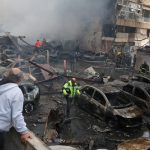
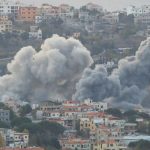
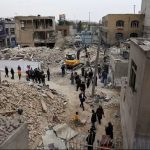
Israel conducts drone and airstrikes into central Beirut, killing civilians and targeting military leaders.
Two Israeli soldiers confirmed dead on Sunday in southern Lebanon.
Hezbollah continues daily rocket and drone attacks into northern Israel.
Lebanese officials warn of unprecedented humanitarian consequences due to displacement.
Israel claims about 200 Hezbollah fighters killed since hostilities resumed.
Raouche neighborhood struck; four civilians killed, ten wounded.
What Happened: Escalation in Southern Lebanon
The conflict reignited after Hezbollah fired rockets and drones in response to the killing of Iranian Supreme Leader Ali Khamenei in recent Israeli-U.S. strikes. Israeli forces responded with intense air assaults across southern Lebanon, including Beirut’s southern suburbs. Drone strikes targeted hotel rooms in Raouche, a neighborhood previously spared during the 2024 ceasefire, resulting in at least four civilian deaths and multiple injuries.
According to the Israeli military, the targets were senior commanders of the Quds Force’s Lebanon Corps, who “operated to advance terror attacks against the state of Israel.” Tanks and armored bulldozers have been massing at the border, raising concerns of a full-scale invasion.
Public and Official Reactions
Lebanese Prime Minister Nawaf Salam stated:
“Our country has been drawn into a devastating war that we did not seek and did not choose.”
Local residents expressed fear and frustration. One Beirut resident said,
“We are trapped in our homes with no safe place to go. This escalation is terrifying.”
Meanwhile, in Israel, military officials described the operations as necessary to counter threats from Hezbollah and Iran. Media analysts suggest that “the rapid escalation could destabilize regional security and energy markets,” highlighting broader geopolitical consequences.
Why This Matters: Regional and Global Impacts
The Israel-Lebanon conflict threatens regional stability, affecting energy markets and humanitarian aid access. With Israel claiming roughly 200 Hezbollah fighters killed, and Lebanese casualties mounting, international observers warn of the potential for wider conflict involving Iran and other Middle Eastern powers.
Experts also note that targeting civilian areas like Raouche could spark international criticism and complicate diplomatic negotiations. The ongoing clashes disrupt daily life, displace families, and risk straining global humanitarian resources.
Context: Past Conflicts and Patterns
This escalation mirrors previous hostilities, including the Israel-Hezbollah war in 2024, which ended with a fragile ceasefire. Raouche had been largely spared during that conflict, making the recent strikes a notable departure. Analysts note that Hezbollah’s continued drone and rocket attacks into Israel suggest an entrenched pattern of tit-for-tat escalation, with both sides prepared for extended engagement.
Unique Angle: Civilian Stories Amid Conflict
While military reports dominate headlines, human stories reveal the toll on everyday life. Lebanese nurse Lina Haddad shared:
“Hospitals are overwhelmed, and families are fleeing daily. The fear is unbearable.”
Experts emphasize that understanding civilian experiences is crucial for assessing the true impact of the conflict beyond battlefield reports.
What Happens Next
Israel and Hezbollah appear locked in a prolonged confrontation, with further airstrikes, border clashes, and humanitarian challenges expected. Regional and international monitoring agencies continue to track developments, while calls for peace negotiations and humanitarian aid intensify.
FAQ
Q1: How many people have died in the Israel-Lebanon conflict this week? A1: Lebanese health officials report 394 deaths, including 83 children and 42 women.
Q2: Who were the Israeli soldiers killed? A2: Master Sergeant Maher Khatar, 38, and another soldier in southern Lebanon.
Q3: What areas of Lebanon were targeted? A3: Southern Lebanon and central Beirut, including Raouche neighborhood.
Q4: What is Hezbollah’s response? A4: Daily rocket and drone attacks into northern Israel continue in retaliation.
Q5: What are the humanitarian impacts? A5: Mass displacement, overwhelmed hospitals, and civilian casualties are ongoing.
Stay informed on the latest developments in the Israel-Lebanon conflict by following Star Struck Times for updates, analysis, and expert perspectives.
Hello! I'm M Muzamil Shami, the founder and lead editor of Star Struck Times, your trusted source for trending news, entertainment scoops, celebrity gossip, sports highlights, and global headlines.
With a passion for storytelling and journalism, I created this platform to bring you breaking news, viral moments, and deep insights into the worlds of Bollywood, Hollywood, sports, politics, tech, and more — all in one place.